

Avoid These Common OLED TV Shopping Mistakes During Black Friday Sales
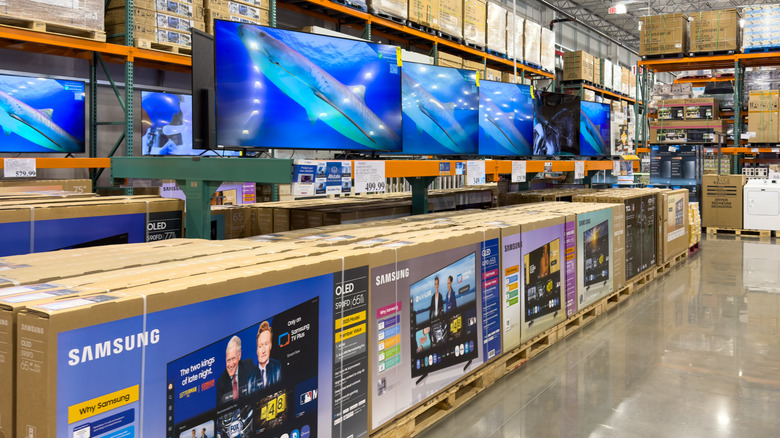
Consumers commonly rev up to potentially buy high-ticket items on Black Friday, when prices are often traditionally slashed to start the holiday shopping season. TVs are a staple purchase consumers rush for while Black Friday deals are available, and some OLED models may appear the best options on the market for their bright, vivid displays. Not everyone can tell the difference between cheap and expensive OLED TVs, though, or even how they compare to other display types. Understanding those distinctions could very well determine whether you're wasting your money or getting the most bang for your buck. Thus, regardless of how good a deal you can nab one for, it's crucial to know what slip-ups you should avoid while shopping for your next OLED display.
The best television choice for you hinges on how bright its viewing space can get. Bright, sunny spaces often require extra-luminous TVs. Thus, opting for an OLED model can be risky, as they aren't always brighter than LCD-powered peers unless you choose to splurge on a costlier option. Some shoppers would be better off considering certain LED options, which may perform better in highly-lit settings.
Prospective OLED buyers should also be mindful of their intended viewing space's size, and choose the right model accordingly. The Big Screen Store suggests that 65-inch options are a happy medium for most rooms, while 55-inch OLEDS are better for bedrooms and smaller spaces. Those reaching 77 inches or higher are recommended only for in-depth home theaters and for viewers whose highest priority is picture quality. Understanding size differentials beforehand can prevent future TV owners from overpaying on devices too large for the area in which they're being installed, while also making the most out of a viewing space with the largest, best-quality picture it can support.
Price makes a huge difference
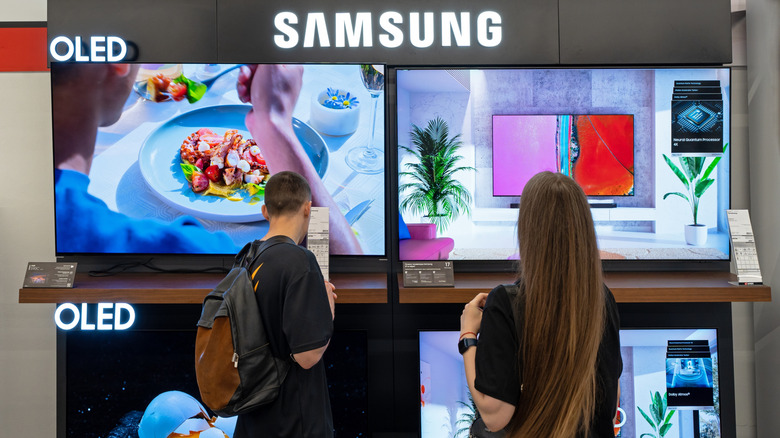
It's no secret that excited Black Friday shoppers are prone to making several common mistakes when buying TVs, and that's particularly true with OLED models. Avid deal hunters in particular may fall victim to the wrong choices, especially if they value price over quality and don't double-check their specs. One area many budget devices fall short is with processing power, which manufacturers sacrifice to maintain a lower price. The end result can be garbled images due to less advanced image processing. Underpowered processors can also introduce noise and other artifacts into the picture.
Whether you decide on a cheap OLED over premium options should ultimately hinge on how you intend to use it. Those who are willing to embrace cheaper models, warts and all, should also know that they are intended for consuming media with lower frame rates and resolution, like movies. Avid gamers, meanwhile, may want to consider more expensive options designed with support for standards like G-Sync and FreeSync, and other technologies meant to support variable and higher frame rates while avoiding annoying visual flaws.