

5 Signs It's Time For A New TV
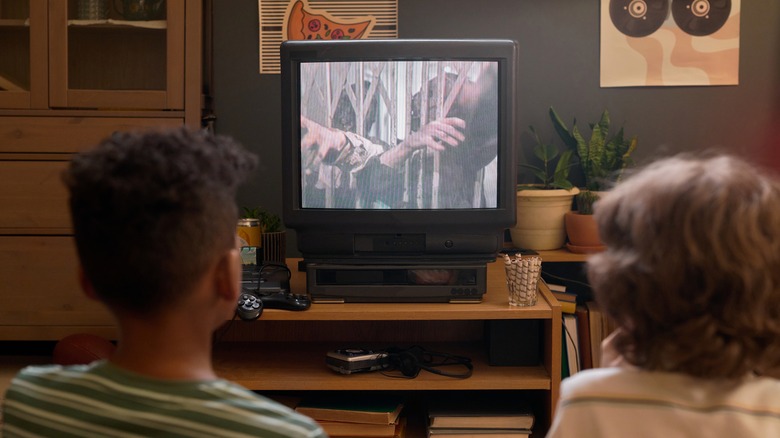
Some TV owners will want to keep using the TV until it falls apart. That's a valid option, as TVs can be one of the more expensive purchases you can make for your home. While you can replace your TV whenever you want, it's a good idea to replace your TV within 7 to 10 years of purchase. That way, you'll get the most value out of your set before it's time for a new TV. But it can be hard to tell exactly when you should replace the TV.
Some signs are obvious, like if the TV breaks or if the backlight LEDs begin to fail. At that point, replacing the TV may be less of a hassle than trying to fix it. Other signs are a bit more subtle. For example, it may be time to move on when your smart TV loses support for the top streaming services, or it could be time to upgrade to one of the best smart TV models if new shows lack visual fidelity on your old TV. Getting a new TV may also be required to get the most out of a new device, like a video game console. Let's dive into the signs it may be time to move on from your old TV.
Physically damaged screen or housing
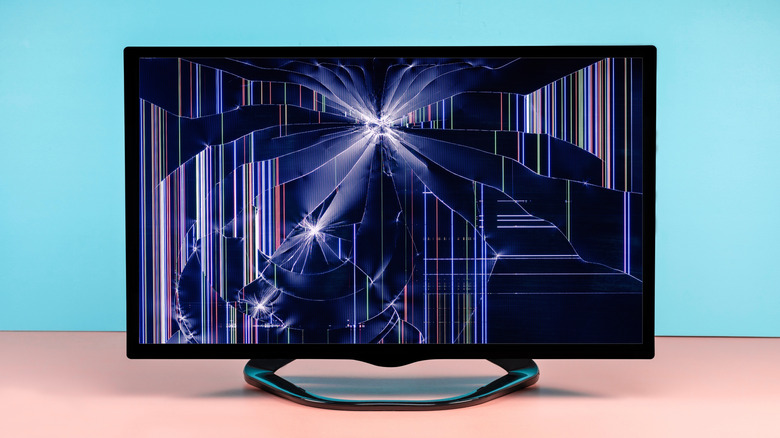
Modern TVs are delicate and can be easily damaged when not handled properly. While the plastic exterior can withstand bumps or a few scratches, the display itself is not as durable. Whether it's your cat scratching the TV to get your attention or a guest flinging a Joy-Con controller while playing "Super Mario Party Jamboree," your TV's display may not withstand that type of abuse.
Even if you're careful, natural wear and tear from moving or mounting the TV on the wall can damage the TV over time. A small crack in the housing can cause the look to be off, affecting its visual appeal. If the screen is damaged, you may consider replacing it, but this is often not worth it and is more expensive than buying a new TV altogether. To save yourself some trouble and money, properly dispose of the TV and buy a new one.
Unsupported TV apps
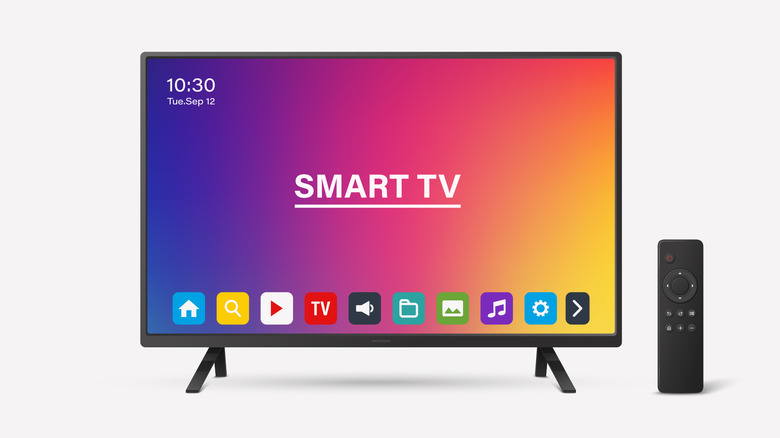
Buying a smart TV can be a smart choice, as you won't have to purchase an additional streaming device like a Roku or Apple TV. But like all devices, smart TVs will eventually lose software support. Without access to the best free streaming services and apps, your smart TV is just another flatscreen TV. You could always buy a streaming device like the ones previously mentioned, which typically have longer app support, but that means spending more money and learning a new user interface. It also means adding another controller to manage your TV.
However, if you're used to managing all of your favorite apps directly from your TV remote and don't want to purchase and set up yet another device, buying a new smart TV is probably your best choice. Just make sure you buy from a reputable brand to ensure your new TV is supported for a long time.
Faulty backlight LEDs
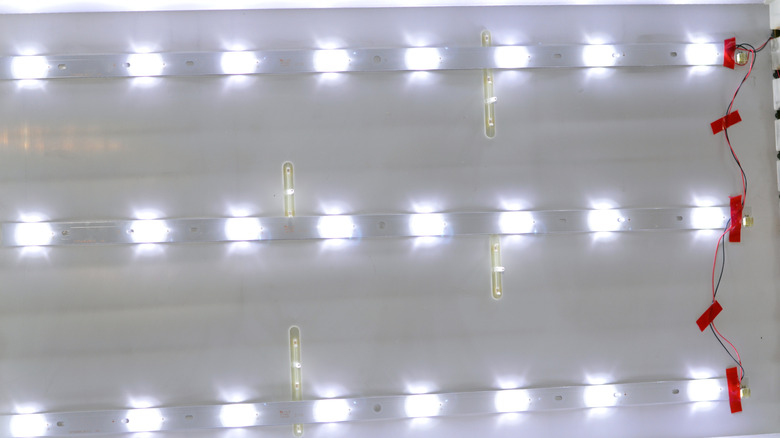
LED backlights are a major component of your TV and are the unsung heroes of the display that are rarely thought about. The only time you may think about it is when they fail, which can happen over time. The leading reason why these LEDs fail is heat caused by excessive brightness or long periods of use.
When one LED fails, it might not be that noticeable. You may notice that a part of the screen is dim or darker than the rest of the screen. More significant failures that involve multiple backlight LEDs may lead to the TV shutting down. Theoretically, you can replace the backlight LEDs, though it's a tough repair, even with the correct tools. And paying someone to repair the TV may cost more than the TV itself. If your display is not as bright as it was in the past, it may be time to replace it.
Content no longer looks or sounds as good
When you first got your TV, it probably blew you away. Over the years, however, the picture quality has likely deflated. Now, when you happen upon the TV aisle at Best Buy, you gaze longingly at the flashy new TVs, with their cutting-edge tech that makes your TV look like a dinosaur.
It happens to everyone eventually, and if you feel like your TV just doesn't cut it anymore when watching shows like Apple TV's biggest sci-fi series, "Foundation," or Amazon's "The Rings of Power," then it's probably time for an upgrade, as your old TV may be missing the latest features. But what features should you be on the lookout for? For gamers, a high refresh rate may be important, while movie buffs may prefer great high dynamic range (HDR) performance. Regardless, look for the features that excite you, like Dolby Atmos and Dolby Vision, which take audio and picture quality to the next level.
It has outdated ports and specs
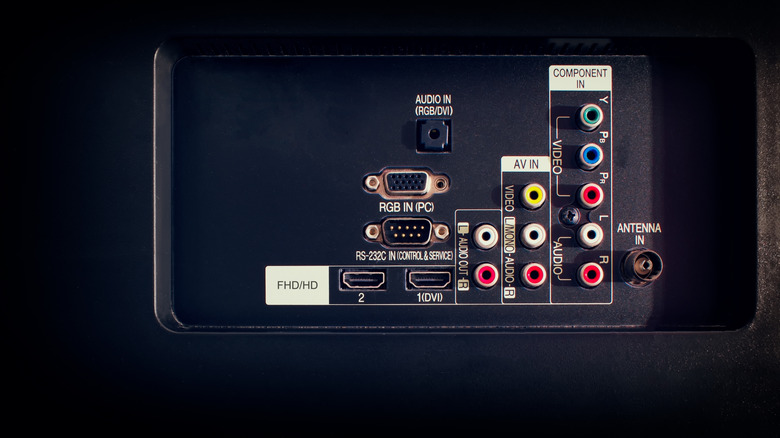
Your old TV may have USB and HDMI ports, but they may not be the same as those found on newer TVs. That's because connectivity options like the HDMI port have been updated over the years. The result is that newer tech may not work with your TV, or it may work, but at a limited capacity. Take the PS5, for example, which requires an HDMI 2.1 cable to unlock all of the console's features, such as 4K resolution and a 120Hz refresh rate. You can still connect the PS5 to an older TV, but you will be missing out on the best experience possible.
In addition to unlocking better visuals, some HDMI ports also have an enhanced audio return channel (eARC), which allows you to connect your TV to a sound bar or other home theater speaker via an HDMI 2.1 cable. So, if you're struggling to get the most out of your video game console or Blu-Ray player because it lacks modern TV ports, you should start looking for a newer model.