

Are Humans Still Evolving? Here's What Anthropologists Say
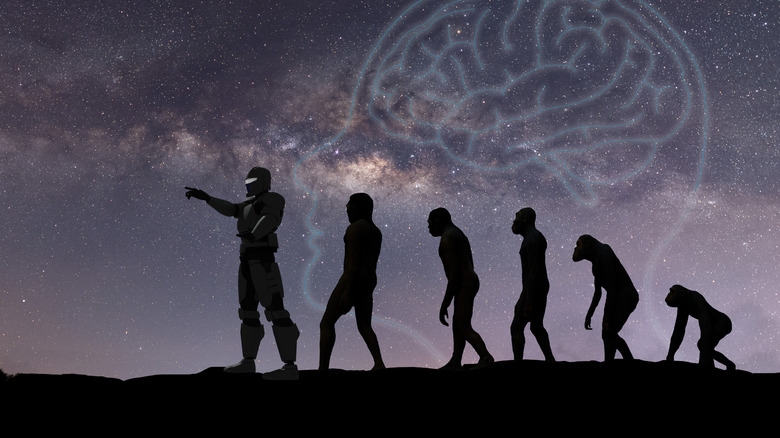
Many people today simply assume that our evolution has quietly ended with the development of the modern human. It's easy to think that medicine, science, and modern living have made us "perfect" or immune to natural selection. It's a widespread belief that once we established civilization, eliminated certain diseases, and extended our life spans, we reached the peak of evolution. But anthropologists and geneticists strongly disagree. Evolution never stopped; it simply shifted its direction.
Although modern medicine allows fewer people to die before reproducing, natural selection still acts on our genes. In fact, some scientists believe modern living has accelerated our evolution. A faster lifestyle leads to faster changes and even faster adaptations. Homo sapiens is far from being a finished stage of human development. What once shaped us in the wild now comes through sanitation, diet, and social structures. But the story is far from over. All we have to do is take a glance at our genomes and see the footprints of an ongoing evolution.
Humans haven't reached the end of evolution
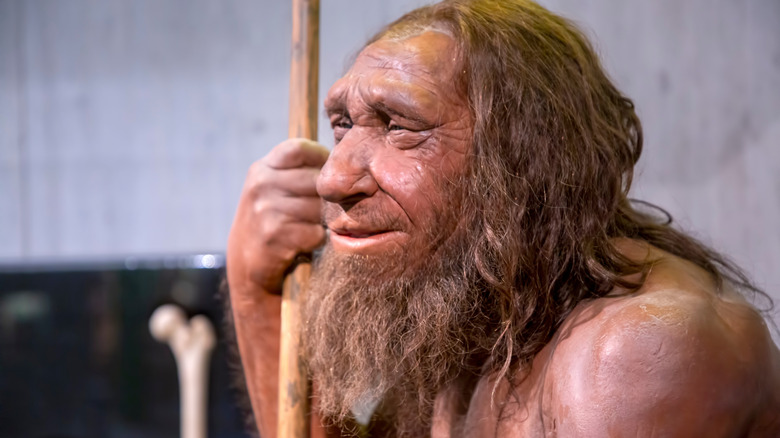
Evolution is the change in the genetic makeup of a population over generations. Pressures, such as environmental changes, infectious diseases, food availability, predators, and competition for resources, are the primary drivers for these changes. The individuals that fail to adapt don't procreate, thus their genes aren't passed on. That's how natural selection works. In the past, this evolutionary pressure was intense and consistent. Our ancient human ancestors carried genes that helped them adapt to different climates, resist pathogens, and process foods that were not part of their typical diet (think lactose tolerance). Today's humans carry the signature of those past adaptations.
Modern anthropology teaches us that evolution didn't stop once humans developed agriculture, culture, or cities. In fact, the process of evolution is ongoing. However, its shape has changed. Although modern medicine, technology, and our cultural practices have eliminated the need for certain survival traits we developed in the past, new sources of selective pressure have appeared. Genetic studies show that allele (versions of genes) frequencies continue to change. This is hard proof of an ongoing evolution. Our environment is constantly changing due to climate, culture, diseases, and dietary preferences. Humans still have to adapt to these changes.
In short, our species remains a "work in progress." However, we must understand that the drive behind evolution somewhat changed. It's no longer the wild landscape of survival-based selection that forces evolution forward. It's the modern world we have built.
How the modern world shapes human evolution
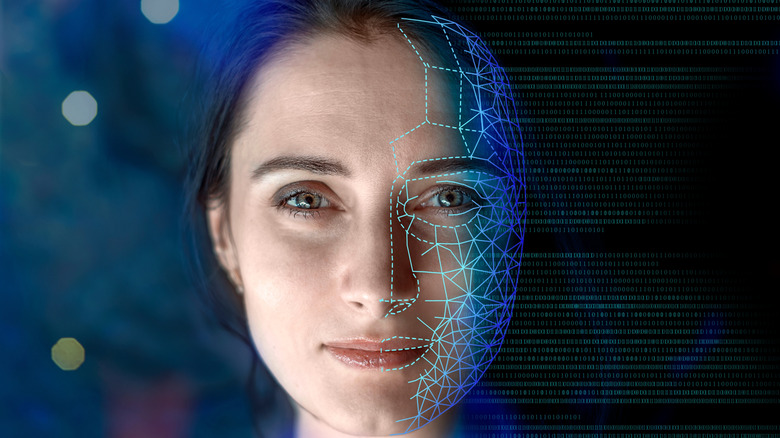
The first agricultural settlements had a pivotal influence on changes in our diet, social structures, and disease resistance, but anthropologists argue that city living imposed new selective pressures, and human genomes responded to them. For instance, genetic studies of ancient city dwellers show that populations with a long history of urban settlement show a higher frequency of a particular variant of the SLC11A1 gene. This gene helps resist pathogens such as tuberculosis or leprosy. That means that tightly packed, dense human settlements shaped the human immune system in ways that rural settlements couldn't.
The influence of cities on human evolution isn't limited to the disease ecology. Cities fragment the population and restrict the flow of genes, but at the same time, it accelerates genetic drift. In other words, city population has a tendency to grow fast, but from a very restricted genetic pool. The result is a constant shift of genetic variants.
Although modern life reduces the old challenges that used to drive evolution, it also creates new challenges. Clean water, hygiene, reliable food, and medical care protect us from many dangers humans once had to face, but new pressures, such as air pollution, chronic stress, and densely packed living conditions, are now pushing human evolution in new directions. Evolution in cities is not always straightforward. It can be unpredictable due to high migration rates and different cultural habits we develop. Who knows what humans will look like in 1000 years. Modern life is not simply a backdrop on which evolution unfolds. It's an active agent that shapes us in subtle but real ways.