

11 Common Cancer-Causing Chemicals And Substances In The Environment
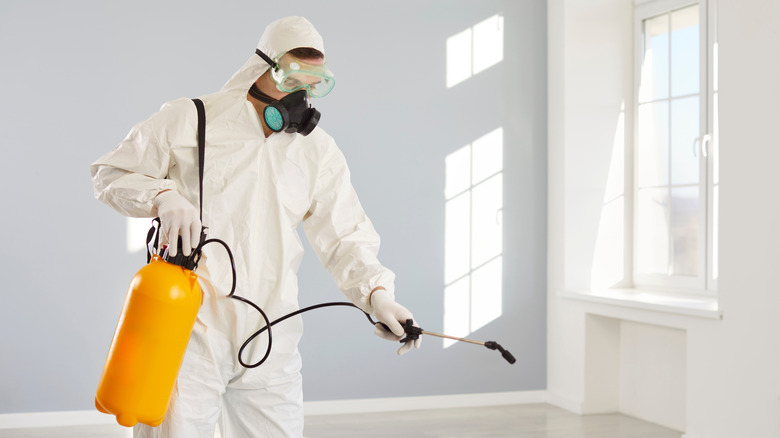
Cancer occurs when body cells grow abnormally or uncontrollably, especially when exposed to carcinogenic substances — "carcinogen" literally means "a substance or agent that can cause cancer." According to a 2024 report by the World Health Organization (WHO), approximately 20 million new cancer cases were recorded in 2022, with an estimated 9.7 million deaths. With newer AI technology now showing promise for up to 99% accuracy in cancer detection tests, early diagnosis plays an important role in improving outcomes.
If the danger of cancer wasn't bad enough, you can consume, inhale, or drink substances contaminated with carcinogens without even realizing it. For example, a plastic bottle made from polyethylene terephthalate can release toxic chemicals when exposed to sunlight. These substances can damage cell DNA, which might lead to mutations that promote cancer cell growth. Prolonged exposure to cigarettes and heavy traffic can also result in certain blood cancers, and you might come into contact with carcinogenic substances through wood dust, burning PVC materials, or contaminated foods.
You can unknowingly expose yourself to many carcinogenic substances through seemingly everyday interactions. Let's explore 11 of the most common cancer-causing chemicals found in the environment.
Asbestos
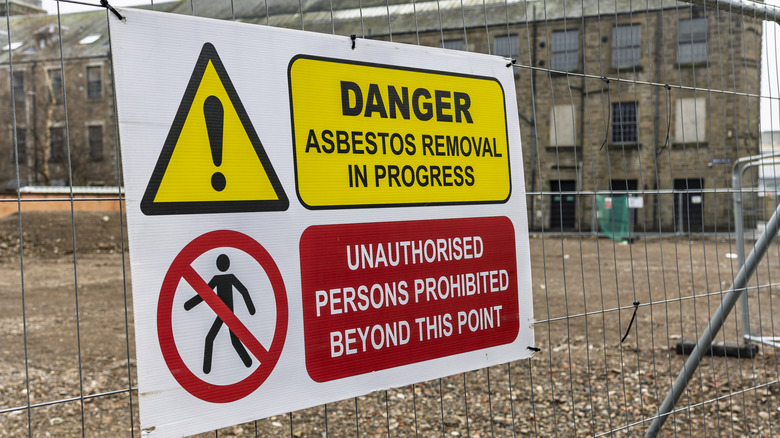
Asbestos is a group of naturally occurring minerals that were widely used in construction materials, automotive parts, and industrial products for much of the 20th century. While the material was valued for its heat resistance, strength, and insulation properties, asbestos is now recognized as extremely hazardous. The WHO and the International Agency for Research on Cancer (IARC) classify asbestos as a Group 1 carcinogen, meaning the material is proven to cause cancer in humans. While asbestos isn't widely used today, countries such as India, China, and Russia continue to use some form of asbestos in construction and roofing. In March of 2024, the U.S. Environmental Protection Agency (EPA) banned the production, processing, and import of any type of asbestos.
When asbestos is worked on (such as cut, drilled, and broken into pieces), the material releases microscopic fibers. These particles, when inhaled or swallowed, stick to the lungs or tissues in the digestive system and are hard for the body to break down or remove. Over time, asbestos particulates can cause chronic inflammation and DNA damage, leading to cancers such as mesothelioma and lung cancer.
Although asbestos is rare in modern constructions, you can still find the material in many older buildings, especially in insulation and floor tiles. Asbestos can pose significant health risks during renovations or demolitions. Additionally, the WHO claims there is no safe level of exposure, and even a small amount can prove dangerous. Each year, more than 6,000 deaths occur in the U.S. due to asbestos-related lung cancer.
Arsenic
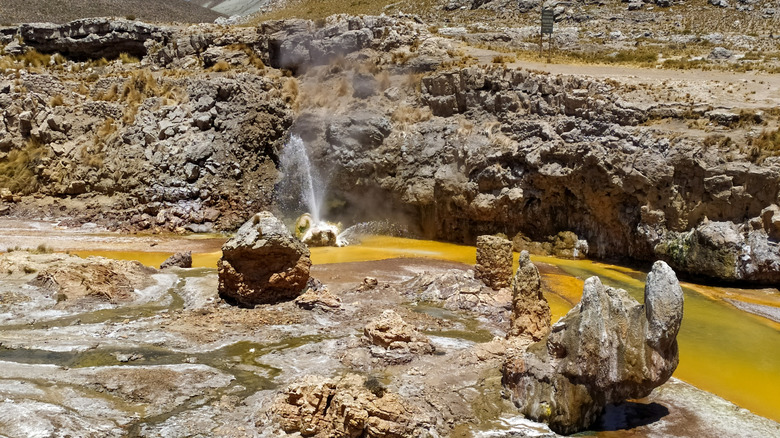
Water is essential for life, but drinking contaminated water can cause serious health hazards, especially if the water contains arsenic. This naturally occurring element is primarily found in rocks and soil. Although arsenic usually remains safely secured away from human consumption, erosion and volcanic eruptions can release this toxic element into nearby water sources. When contaminated water is consumed, arsenic accumulates in the body, interfering with DNA repair and damaging the cells over time. This often results in the uncontrolled overgrowth of abnormal cells.
Arsenic isn't limited to natural sources. Human activities such as mining and coal burning, and disposing of untreated industrial waste from smelting plants, often release arsenic into water. Also, pesticides and herbicides that contain arsenic can leach into groundwater. While arsenic-based pesticides were once widely utilized, most countries, including the U.S., have discontinued using the products due to their high toxicity. The WHO has classified arsenic and its compounds as Group 1 carcinogens, as they commonly cause skin, lung, and bladder cancer. While arsenic can enter the body through drinking contaminated water, the WHO states most people can drink water that contains up to 10 micrograms of arsenic per liter (µg/L). However, around 140 million people still drink arsenic-poisoned water well beyond the safe limits.
If you travel often, it's impossible to guess if local waters are contaminated. Therefore, you should generally drink safe and treated water or buy packaged drinking water. Additionally, test wells and underground water sources for potential arsenic. And if you detect the toxic material, install arsenic-removal filters to make the water drinkable.
Benzene
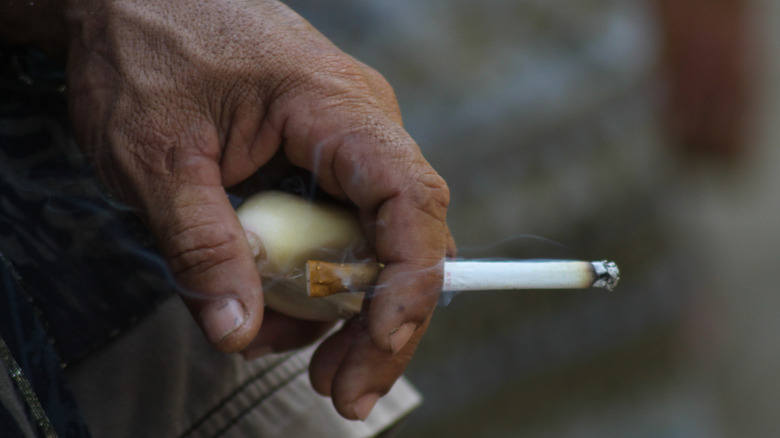
According to the CDC, in 2022, around 49.2 million people smoked cigarettes in the U.S. While the nicotine in cigarettes can be addictive, the benzene in the smoke is the true carcinogenic agent. Benzene is a sweet-smelling, highly flammable colorless liquid that is naturally found in crude oil but also produced during volcanic eruptions and forest fires. However, most benzene in the environment originates from industrial and human activities, including emissions from oil refineries, chemical plants, and petroleum storage facilities. Evaporation from products like paints, glues, solvents, and detergents also releases benzene gas.
While short-term high-level exposure can cause dizziness, headaches, and irregular heartbeats, chronic benzene exposure can lead to aplastic anemia, which prevents bone marrow from producing new blood cells and can lead to blood cancer. While inhalation is the primary method of benzene infection, drinking contaminated water or directly absorbing fuels through the skin can also lead to benzene-related health concerns. However, the widespread use of catalytic converters, cleaner fuels, and industrial vapor recovery systems has reduced benzene emissions significantly.
U.S. EPA regulations allow for up to 5 µg/L of benzene in drinking water, whereas the Occupational Safety and Health Administration (OSHA) recommends limiting workplace exposure to 1 ppm per eight-hour shift. The best ways to protect yourself from benzene toxicity are to avoid inhaling gasoline vapors and to quit smoking.
Radon
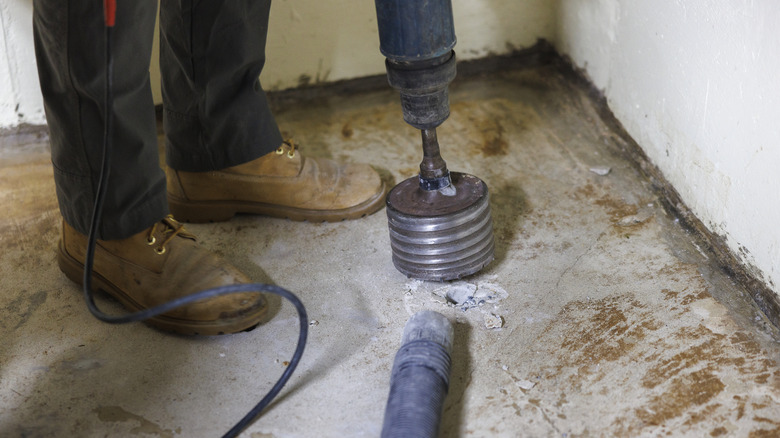
When most people think of radiation, they usually picture nuclear power plants, not their living rooms. However, radioactivity isn't always manufactured. Radon is a radioactive gas naturally released when the uranium, thorium, or radium in rocks break down. Radon levels vary by geography, but you can often find high concentrations in areas with granite, shale, or phosphate rock formations. Over time, the gas seeps from the ground through cracks in floors, walls, or foundations, and accumulates in indoor spaces such as homes and building basements.
Without proper ventilation, indoor radon gas concentrations can reach alarming levels. The radioactive element is so dangerous that it's the second leading cause of lung cancer around the globe. Long-term inhalation of radon and its radioactive decay products, including polonium-218 and polonium-214, damages lung tissue DNA, which causes cancer. If a smoker inhales radon gas, the risk of cancer increases exponentially.
Since there is no safe level of radon gas concentration, one must strive to keep exposure as low as reasonably achievable. The U.S. EPA recommends taking action if indoor radon levels exceed 4 picocuries per liter (pCi/L), while the WHO cites a much lower level of 2.7 pCi/L. While you can use radon testing kits to check the radiation levels in your home to mitigate concerns, you should always keep your home ventilated with proper air circulation and seal wall cracks to prevent indoor air contamination.
Vinyl chloride
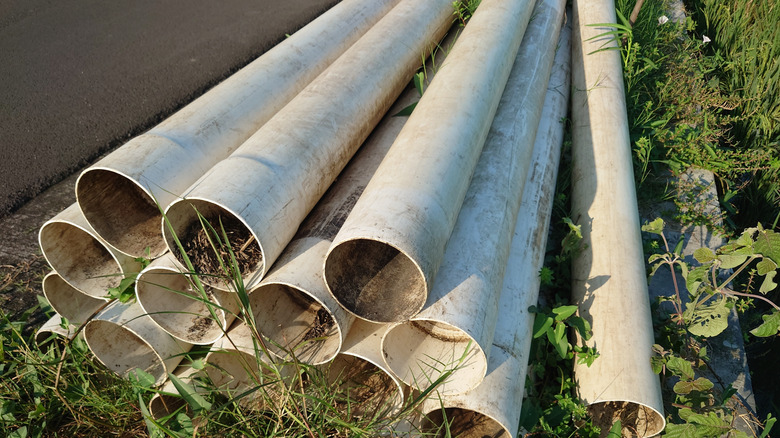
Once hailed as the miracle chemical behind polyvinyl chloride (PVC), plastic pipes, and packaging, vinyl chloride is now infamous for its toxicity. Vinyl chloride is a colorless and flammable chemical generally emitted by PVC industries during production and processing phases and is another Group 1 carcinogen.
Vinyl chloride primarily poisons victims through inhalation, although residents near PVC factories can also be exposed through contaminated drinking water. Furthermore, vinyl chloride is considered a hazardous air pollutant (HAP) under the U.S. Clean Air Act, as it can evaporate into the air and stay around for long periods of time. In the 1970s, workers in PVC factories developed unexplained liver cancers, which were later identified as angiosarcomas caused by exposure to vinyl chloride gas. But industry workers aren't the only people at risk; if you burn a PVC pipe, it can also release vinyl chloride along with other toxic gases. In 2023, a train derailed in East Palestine, Ohio, and released large quantities of vinyl chloride, drawing more attention to the chemical's toxicity and cancer risk.
The U.S. EPA follows strict monitoring to minimize leaks by limiting vinyl chloride emissions from PVC factories. The agency has also set a maximum contaminant level (MCL) for drinking water at 2 µg/L.
Diesel exhaust
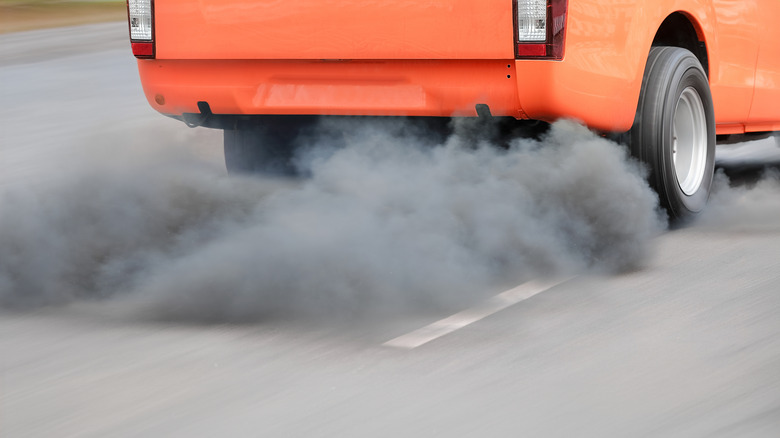
As the name suggests, diesel exhaust is emitted from anything with a diesel engine – an engine that uses diesel fuel instead of gasoline. This can include vehicles such as trucks, buses, and trains, as well as industrial-grade equipment like generators and construction machinery. The exhaust contains a mixture of chemicals such as polycyclic aromatic hydrocarbons (PAHs) and nitroarenes, which together make diesel exhaust a Group 1 carcinogen.
When diesel exhaust is inhaled, tiny diesel particulate matter (DPM) penetrates deep into the lungs. These particles carry carcinogenic chemicals that can damage DNA and produce abnormal cell growth. Long-term exposure to these toxic gases increases the risk of developing lung cancer. Truck drivers, miners, and construction workers are constantly exposed to diesel exhaust due to their jobs, but pedestrians can also be exposed if they live or travel in cities with heavy traffic. If you live in an area with high levels of air pollution, you are at risk of developing lung cancer, even if you don't smoke.
While the U.S. EPA's "Clean Trucks Plan" introduced tough emission limits and has significantly lowered public exposure to carcinogenic diesel exhaust, older vehicles and generators still in operation are major contributors to diesel pollution in developing countries. The WHO estimates that outdoor air pollution, including diesel exhaust, causes millions of deaths annually. To safeguard yourself, use electric-powered public transport. But if you wish to travel in your own diesel vehicle, use an N95, KN95, or FFP2 category facemask to protect yourself from the particle pollution created by diesel exhaust.
Formaldehyde

You might not see it, but formaldehyde is all around you. Formaldehyde is a carcinogenic substance that's colorless and emits a strong, unpleasant smell. Since the chemical is classified as a Group 1 carcinogen, people exposed to the material in high concentrations can develop nasopharyngeal cancer, a cancer of the upper throat that forms behind the nose. Formaldehyde can also cause blood cancer if someone is exposed over long periods of time.
Plants and microbes release minute amounts of formaldehyde during decomposition, and you can even find traces of formaldehyde inside yourself, as the human body produces the chemical as a natural byproduct of metabolism. However, many industries use formaldehyde-based adhesives for pressed wood products such as plywood, particleboard, and fiberboard. Formaldehyde is also commonly found in paints, coatings, disinfectants, cosmetics, and textiles. Therefore, if you have a furniture renovation in your home, expect to find formaldehyde gas trapped indoors for the next few months.
To keep formaldehyde exposure under a safe limit, you should purchase or use low-formaldehyde or CARB Phase 2-compliant furniture. Also, ventilating newly renovated spaces and maintaining an indoor humidity of 30–50% can help reduce trapped formaldehyde, as high humidity increases formaldehyde release.
Cadmium
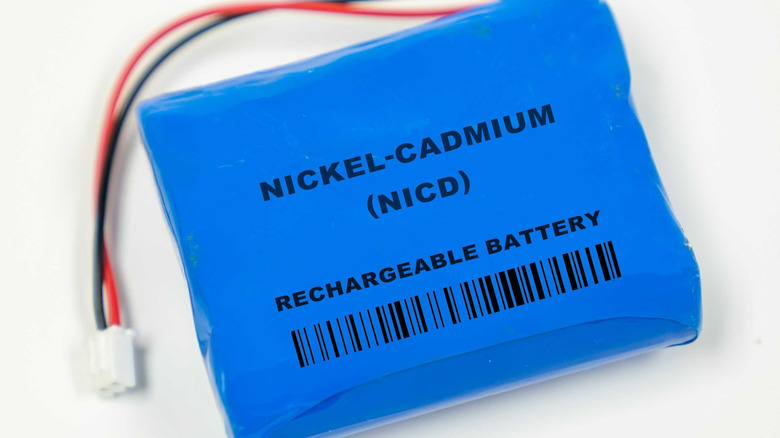
You might not realize it, but you can find traces of cadmium in everyday items, from the batteries we discard to the crops we consume. Cadmium is a soft, bluish-white metal that occurs naturally in the Earth's crust, usually alongside zinc, lead, and copper ores. As a Group 1 carcinogenic agent, prolonged exposure to cadmium interferes with DNA repair and promotes oxidative stress and inflammation in multiple tissues. Cadmium has been linked to lung and prostate cancers, and the toxic element can also increase the risk of breast and kidney cancer. However, cadmium's impact goes beyond just health, as it also poses an environmental hazard and can contaminate soil and water, entering the food chain through crops.
At the industry level, nickel-cadmium (Ni-Cd) battery manufacturing can release cadmium fumes as a byproduct. Plus, burning fossil fuels, municipal waste, and plastics that contain cadmium can also release toxic fumes. While regulations have restricted the use of these products in many countries, industrial emissions and improper disposal of Ni-Cd batteries remain major sources of exposure. Even the toothpastes you use for brushing may contain this toxic metal.
U.S. EPA regulations limit cadmium to 5 µg/L in drinking water. To keep yourself away from toxic, cadmium-laden fumes, avoid burning e-waste. Furthermore, wash vegetables thoroughly to remove any traces of contaminants, and recycle batteries responsibly to prevent this silent threat from causing lasting harm.
Chromium (Hexavalent)
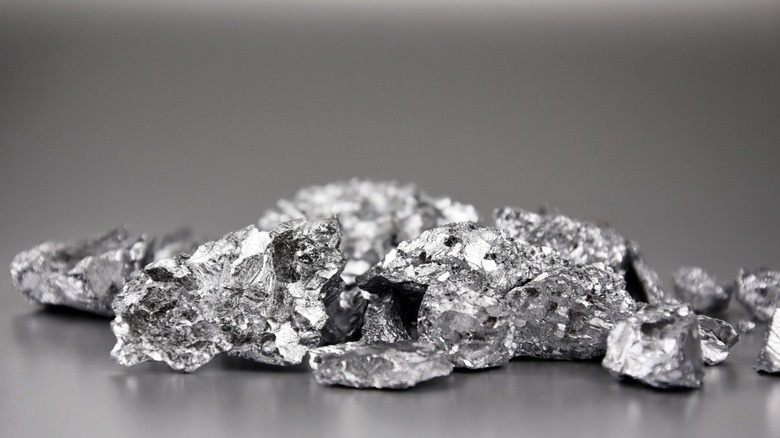
For decades, chromium has given metals their shine and color and has been used in the production of chrome plating, pigments, leather, and stainless steel. However, the same property that made chromium useful also made it deadly. Chromium doesn't occur naturally; instead, manufacturers take chromite ore and combine it with iron and oxygen to create chromium. The metal can transform into hexavalent chromium (Cr(VI)), a toxic compound that can contaminate air, soil, and groundwater. Once released into the environment, Cr(VI) doesn't break down easily and can persist in soil for decades.
Unlike the safer trivalent chromium (Cr(III)), which the human body needs in trace amounts, Cr(VI) easily enters cells and can damage DNA. Cr(VI) has been found to cause lung, nasal, and sinus cancers, as well as stomach and kidney cancers. Inhaling chromium dust is a constant threat in certain workplaces, as this gives the material a direct path to attack the lungs. However, one of the most famous instances of chromium poisoning was the Erin Brockovich case in Hinkley, California, which involved a lawsuit against Pacific Gas and Electric (PG&E) that was eventually settled. Residents claimed they developed cancer and other illnesses after years of drinking water contaminated with hexavalent chromium.
U.S. EPA regulations limit the concentration of chromium in drinking water to 0.1 mg/L. To minimize risk, never drink untreated groundwater near industrial areas, and also properly dispose of metal waste and leather tanning residues.
Aflatoxins

Grains such as peanuts, corn, rice, wheat, maize, and sorghum require proper storage in a cool and low-humidity environment. If these foodstuffs are not preserved correctly, they can become contaminated with aflatoxins. These carcinogenic compounds are produced by the molds Aspergillus flavus and Aspergillus parasiticus, which grow in warm and humid climates. When liver enzymes break down aflatoxins from mold-contaminated grains, they are converted into harmful compounds that can damage DNA and lead to cancer. Ergo, eating foods tainted by the Aspergillus molds over long periods of time increases the risk of developing liver cancer. Humans can also be exposed to aflatoxin indirectly if they consume milk from livestock that feed on infected crops.
The WHO estimates that about 25% of the world's food crops are contaminated with aflatoxins and other mycotoxins (toxic compounds produced by molds) each year. However, humans aren't the only entities at risk. In 2020, a pet food maker recalled several food brands after high levels of aflatoxins were detected in their products.
Countries with warm and humid climates, coupled with poor storage facilities, are particularly vulnerable to aflatoxin contamination. Therefore, it's best to buy grains, nuts, and spices from regulated or reputable brands. If you see any mold or if nuts taste bitter or off-flavor, dispose of them immediately. Even short-term consumption can cause health issues such as jaundice, vomiting, and digestive problems.
Ethylene oxide
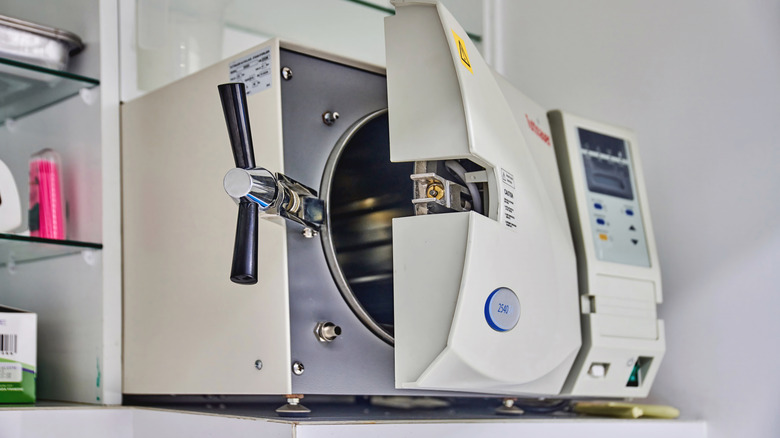
Ethylene oxide (EtO) is a colorless gas used for sterilizing heat-sensitive medical equipment such as catheters, syringes, surgical tools, and sutures. EtO is even used in the food industry because it can effectively kill bacteria, viruses, and fungi that could infect spices and other edible items. EtO functions by damaging the DNA of microbes, preventing them from reproducing. This process is known as alkylation. However, long-term exposure to EtO gas can increase the risk of lymphoid cancers and breast cancer.
One of the most noteworthy cases of EtO-induced cancer occurred in September 2022, when an Illinois resident developed breast cancer after years of exposure to EtO emissions from a Sterigenics sterilization facility in Willowbrook, Illinois. The local Cook County jury awarded the plaintiff $363 million. While the risk of developing breast cancer varies depending on exposure, potential victims can detect it early due to recent improvements in AI-assisted breast cancer identification. Furthermore, new research into one-second cancer treatments could produce significant breakthroughs in future therapies, whether or not the cancer is linked to EtO gas.
Although EtO was already considered a potent carcinogenic chemical, in December of 2016, the U.S. EPA released a new risk assessment demonstrating that the gas poses a higher risk than previously estimated. Jennifer Jinot, who led the agency's 2016 risk assessment on EtO, stated, "There is absolutely no reason for EPA to reconsider its 2016 cancer risk estimate for ethylene oxide." Governments are implementing stricter controls by cutting emissions from sterilization and chemical facilities, as well as increasing monitoring to protect workers and nearby residents.