

What Does Nuclear Radiation Actually Do To Your Body?
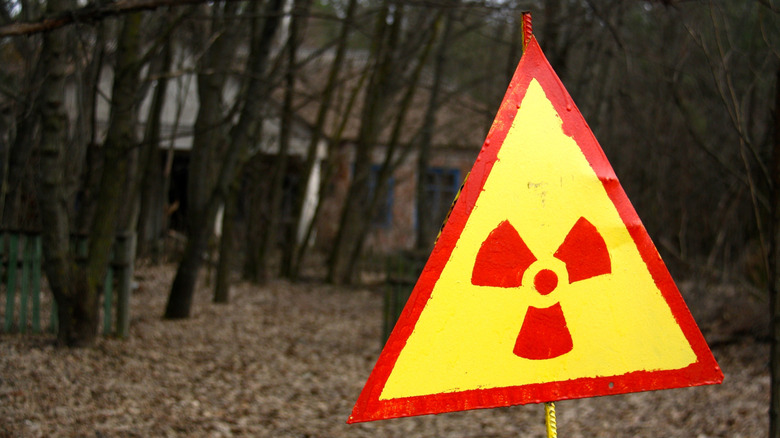
Radiation can wreak havoc on the human body when it's exposed to high doses or for prolonged periods of time. The world understood this in horrifying detail after the Chernobyl and Fukushima Daiichi nuclear disasters. In each case, people were not simply exposed to radiation, the nuclear radiation rewrote what was happening in their bodies. Bone marrow was affected, thyroid glands absorbed radioactive iodine, and cells mutated quietly over the years after the exposure. Some victims collapsed in a matter of days, others suffered for decades. Scientists have even seen signs of dogs around Chernobyl mutating and evolving faster. Nuclear radiation doesn't necessarily announce itself with flames or a loud bang. It works silently and invisibly from within.
Through years of hard work and experimentation, scientists learned a great deal about radiation. We now understand how it travels through food, which organs it attacks first, and why children can be more vulnerable. Although medicine has advanced, emergency systems have improved, and treatments have become smarter, we still don't know everything there is to know about how nuclear radiation affects human bodies. Nonetheless, here's what we do know so far.
How nuclear radiation damages the human body
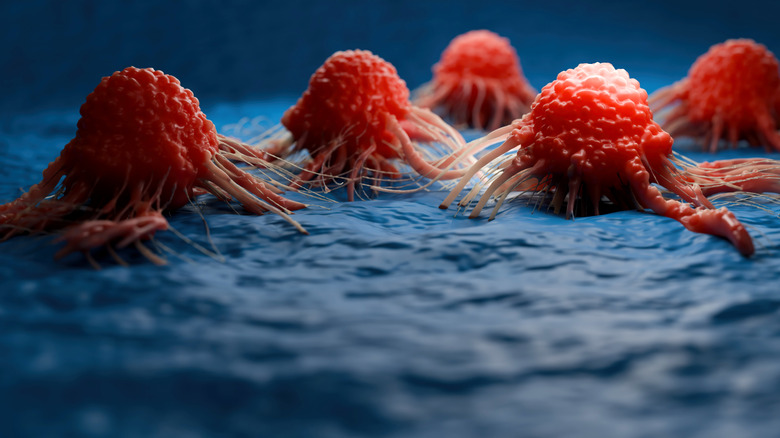
Nuclear radiation tears through the human body at the molecular level. When radiation enters the body, it interacts with the cells violently. This process is known as ionization. It knocks electrons loose and destabilizes the chemistry of life. DNA strands can snap, proteins lose their shape, and healthy cells suddenly become broken factories.
First to suffer are systems where cells divide fastest. Children are most affected because their growing bodies divide cells at faster rates than adults. Bone marrow may stop producing white cells, leading to infections, hemophilia, and excessive fatigue. The lining of the gut can peel away, causing to violent vomiting and dehydration. Skin exposed to high doses of radiation blisters and dies as if it were severely burned. Within weeks, the exposed person can lose their hair.
Some radioactive particles don't just pass through our bodies. If radioactive dust is inhaled or swallowed, it often settles in the lungs, bones, or thyroid. Cesium, for example, mimics potassium and spreads through soft tissue. Strontium behaves like calcium and embeds itself in bones. Once inside, these particles can continue irradiating the human body for months and even years.
High doses and sudden exposure can lead to the quick development of radiation poisoning. Confusion, nausea, weakness, and collapse are the first symptoms. Although lower exposure may seem harmless, if it's constant or over a prolonged period of time, it may cause cancer. That's why scientists are working to make X-ray scans safer and reduce the amount of radiation we're exposed to over our lifetime.
What we know and what remains a mystery
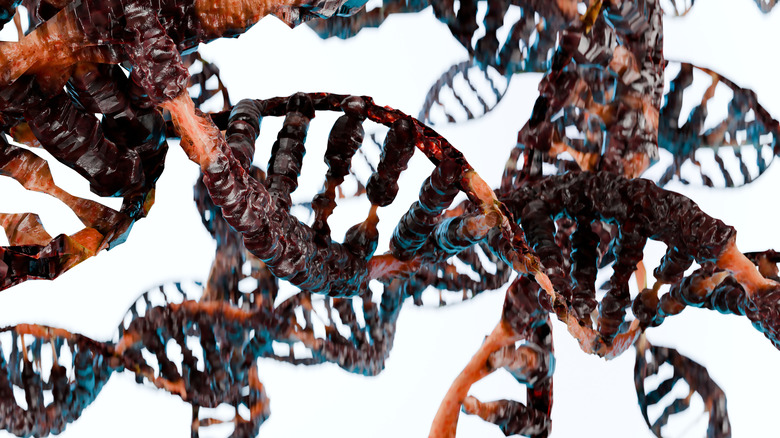
Major nuclear accidents have forced science to learn about radiation effects the hard way. Disasters like Chernobyl, Fukushima, Three Mile Island, and other contaminated nuclear locations taught the world that nuclear radiation doesn't behave in neat, predictable ways. Once it escapes into the environment, it's devastating. Radioactive iodine was found in milk days after Chernobyl. Ocean currents carried Fukushima contamination across the Pacific. Radiation doesn't fade like smoke. It lingers, seeps, and settles. It caused many towns to be erased from maps because the area remains unsafe for human life for decades.
Medicine used these accidents to learn what the human body can survive, and what it cannot. Doctors now understand radiation burns, radiation sickness, and bone-marrow failure far better than before. The link between radiation and thyroid cancer became undeniable after thousands of cases appeared in exposed children in Ukraine. Since then, protective medicine such as potassium iodide became a standard.
And yet, despite everything we learned, some mysteries remain. Scientists still can't precisely predict who will develop cancer after low-level exposure and who will not. Two people can receive the same doses of radiation and face completely different futures. The effects of long-term exposure to small doses remain deeply uncertain. We know radiation damages DNA, but what we don't know is how often the repairs of damaged DNA fail. We also cannot predict when and if a damaged cell will turn into a cancerous one, because radiation alone is not the only mechanism behind tumors. Accidents such as Chernobyl give us data, but not nearly enough to completely understand the dangers of nuclear radiation to human bodies.