

Apple Silently Drops Night Mode For Portrait Shots On iPhone 17 Pro, And No One Knows Why
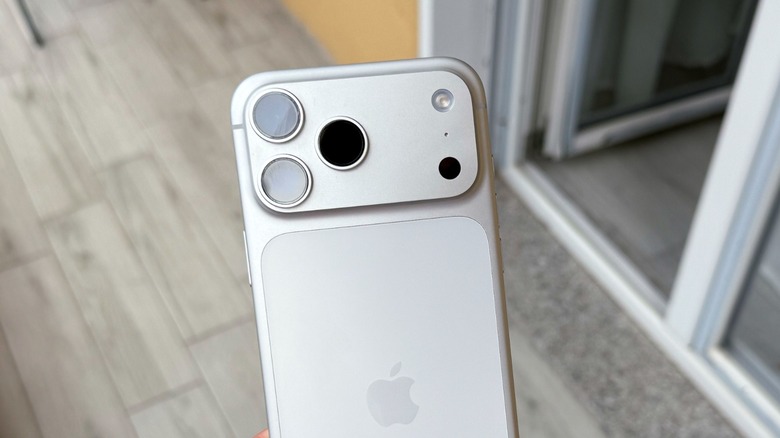
In 2019, Apple introduced Night Mode with the iPhone 11. With that, the company took the iPhone's camera performance in low light to the next level, as users could capture more light and improve the quality of shots in the dark. In 2020, the iPhone 12 Pro lineup was the first to combine Night Mode with Portrait photos, so users could take portraits in low-light conditions thanks to the LiDAR scanner. After that, Apple continued to improve all of these technologies by also making the iPhone camera sensors bigger.
The iPhone 15 got a brilliant camera feature that made sure you didn't have to manually switch to Portrait mode. If the iPhone camera detected a face, a pet, or an object, it would automatically capture depth information, using which the photo could then be converted into a portrait shot by adding artificial bokeh. However, with the new iPhone 17 series, a user noted that it's no longer possible to capture Portrait shots combined with Night Mode, and it appears like the issue is specific to the iPhone 17 Pro models.
Portrait and Night Mode can't be used anymore
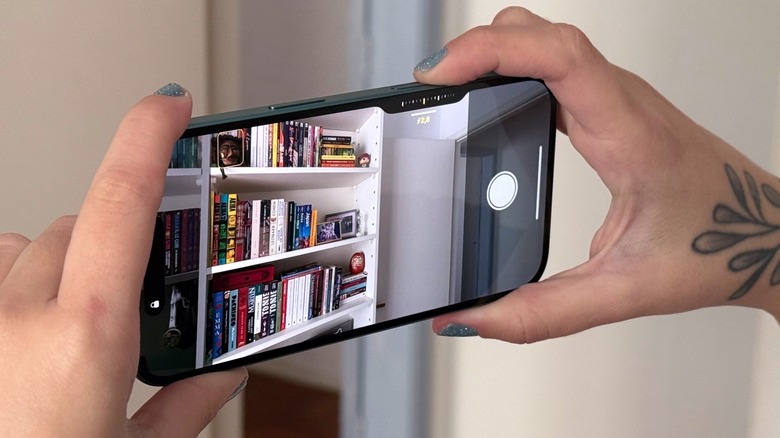
As posted by an Apple Discussion Forum user, Night Mode doesn't get activated when clicking photos in Portrait mode on the iPhone 17 Pro. They write: "Even when I cover the lens with my hand, it still doesn't appear – the only thing that turns on is the flash, which I don't want, and have disabled. Under the exact same lighting conditions in the regular photos mode, Night Mode turns on immediately and works perfectly fine." The interesting thing about that is that Apple's support page about taking Night Mode photos with your iPhone camera shows that Portraits with that capability are only available from the iPhone 12 Pro to the iPhone 16 Pro, but not the latest iPhone 17 Pro generation.
What's weirder about it is that iPhone 17 models do support Night Mode selfies and time-lapse videos, which shows that the support document has been recently updated with the latest iPhones. The reason for this is unclear, since all the sensors — including LiDAR — are still there. Moreover, the camera sensors themselves have gotten bigger and better. That said, perhaps changing the position of the LiDAR and the flashlight made the technology not as reliable as with previous generations, leading to Apple scrapping the feature entirely.