

What Is A Supermoon?
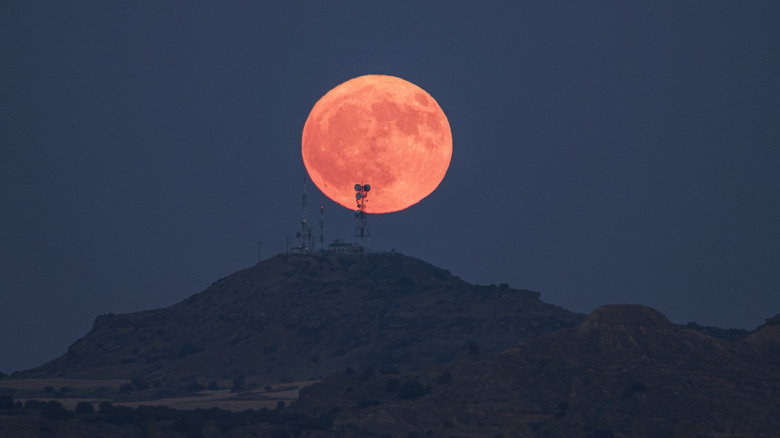
A supermoon is a stunning lunar event that appears in the sky every few months, and it's one of my favorite natural phenomena. In the simplest terms, a supermoon occurs when the full moon coincides with its closest approach to Earth in its orbit — a point astronomers call perigee. When that happens, the moon can appear up to 14% larger and 30% brighter than when it's farthest away (apogee). To the naked eye, that difference might not sound dramatic, but it's enough to make the moon look strikingly bold against the night sky. Supermoons aren't exactly rare, but they're still worth watching out for. They tend to bring out photographers, stargazers, and anyone who appreciates seeing the cosmos at its most vivid.
Depending on where you live, they can even make your nighttime landscape look as if it's daylight. Supermoons provide a natural glow that is ideal for a quick photo session or a late evening walk. Astronomers usually classify several full moons per year as "super," but only one or two are especially close to Earth. While they don't cause dramatic physical effects, they do serve as a reminder of how dynamic and alive our solar system really is. So, the next time you hear about a supermoon lighting up the sky, it's not just hype, it's the universe giving you a front-row seat to one of the brightest lunar shows.
The best way to see a supermoon
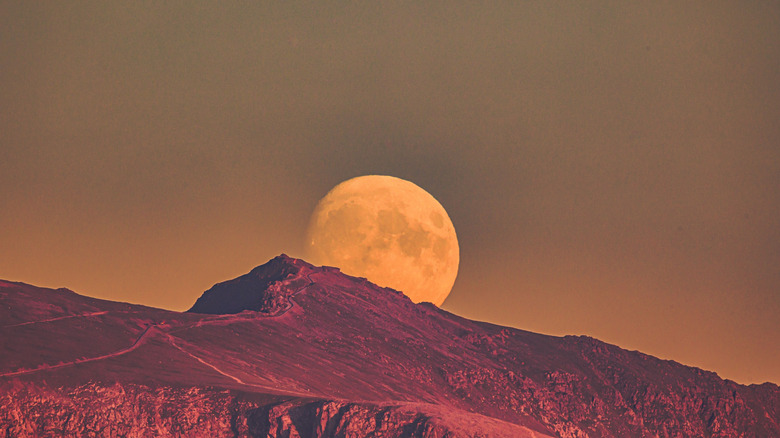
Seeing a supermoon doesn't require a special telescope (the James Webb Space Telescope would be overkill) or any particular gear. You just need to be in a location with clear skies at the right time. Because a supermoon is essentially a full moon at its closest point to Earth, it rises around sunset and sets around sunrise, giving you plenty of time to take in the lunar show. The best moment to see a supermoon is right after moonrise, when it's still low on the horizon. That's when the "moon illusion" kicks in, making it look even larger and more dramatic as it hovers just above the landscape. If you're planning to snap a photo, head somewhere without light pollution obscuring the skies like a park, a beach, or a hill outside the city. I live in the Los Angeles area, and I enjoy heading to the desert to take photos of the supermoon. The darker your surroundings, the brighter and crisper the moon will appear.
You can use a smartphone camera, but switch to night mode or use a tripod to avoid motion blur for the best results. If you have binoculars or a zoom lens, you'll get a closer look at surface details like craters and the lunar maria (the darker plains). The weather also plays a big role in seeing a supermoon. Check your local forecast or an astronomy app for viewing conditions, as even a thin layer of clouds can wash out the effect. If you want to get into the weeds, set up an Astroberry server with a spare Raspberry Pi. Ultimately, seeing a supermoon is all about timing and patience. When everything lines up, it's one of my favorite breathtaking space shows you can easily witness from your yard. The next supermoon will rise on December 4th, so be ready!