

Common Mistakes Everyone Makes With Streaming Subscriptions
Streaming subscriptions are expensive. U.S. consumers may be spending up to $70 monthly on streaming services. That's a little steep for simple pocket change. However, to no one's surprise, some people are paying for services that they no longer use, while others are paying for them knowingly because of psychological pressure. Not all streaming subscriptions are worth your money. Not necessarily because they don't offer as big a catalog compared to some of the giants, but more so because they provide little value for your interests.
Are you a massive cartoon and animation lover? Then maybe Netflix isn't necessarily for you, and you'd rather be subscribed to Disney+ or Crunchyroll instead. These are important questions you have to ask yourself when reviewing these services you own, and whether it is truly worth keeping that subscription. With so many streaming subscriptions and compatible platforms to host them, it is easy to make costly mistakes. Here are some common ones most people have made.
Subscribing to too many subscription services at once
Fear of missing out can have a stranglehold on viewers' financial decisions when it comes to subscribing to streaming services. Basically, if a fan is gearing up for the final episodes of "Stranger Things" Season 5, they might already feel pressured to wait it out and keep the subscription ongoing until those episodes come out. That might even be one of the main reasons they're subscribed to Netflix in the first place: Their favorite show is in an ongoing or upcoming season, and they don't want to necessarily cancel and re-subscribe every time a show gets updated.
It's like how it used to be with live TV: You wait week by week to finish a season, which can take months, except the difference is that you're likely paying for a cable package instead of an individual subscription service. After awhile, owning different subscriptions can add up. TV watchers don't need to be subscribed to Disney+, Apple TV+, Netflix, Amazon Prime Video, or Max at the same time, especially when they're not watching them all at once.
You can skip a month or two without missing the show. Most newly released content won't go anywhere, even if you're a month behind an airing season. By having so many ongoing streaming subscriptions, you're more likely to suffer from subscription fatigue, which occurs when people feel overwhelmed by having to manage too many subscription services at once. It may not be the most convenient option, but leaving an unused subscription active can ultimately render it as sunk cost.
Leaving on the default auto-renewal option
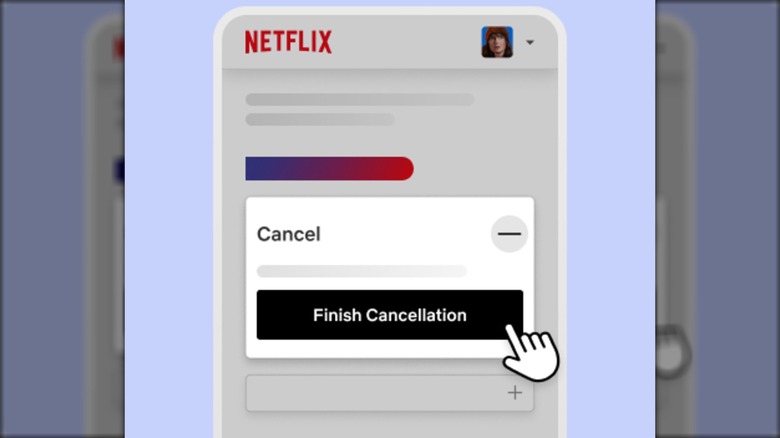
Managing subscriptions can be a pain. It's a lot easier to use the default auto-renewal option so you don't have to micro-manage all your bills for the month or year. A lot of people will still use a streaming service's auto-renewal option, especially if they know they'll get their money's worth after a few months of use. However, leaving the auto-renewal option can make it so that your chosen streaming service can become financially draining, especially if you're not using it.
Imagine leaving the auto-renewal option on while your favorite streaming platform, such as Netflix, undergoes another price hike without you noticing. You could cancel Netflix after being charged, or try to push your luck to see if Netflix would refund you for that billing cycle (though this is very situational, and not really in the consumer's favor). At the end of the day, the process becomes a hassle, so most either cut away from their favorite platforms or keep passively paying for it (and potentially complaining about it).
Forgetting about the streaming subscription completely
Believe it or not, plenty of people forget about their active streaming subscriptions if they use too many or keep their accounts open for other family members to use. Sometimes it isn't until they review their credit card statements that they notice they are still subscribed to a service they rarely use. In some situations, this can even happen when signing up for free trials. Free trials love asking for your payment information upfront, but never forget to charge you after the trial period is over.
That's another easy way for a subscription to secretly take your spending money without warning, though admittedly most warnings are in the fine print; sometimes people skip them. Free trials are designed to bait new subscribers into the service, whether to entice them with its content, or to take advantage of consumer inertia; where subscribers forget to cancel before the trial is over, but become too lazy or forgetful to do it. In such cases, the best way to avoid this trap is to set reminders to cancel or use an app to help you cancel a subscription before the trial ends.