

Missing Robot In The Antarctic Returned With Terrifying Data
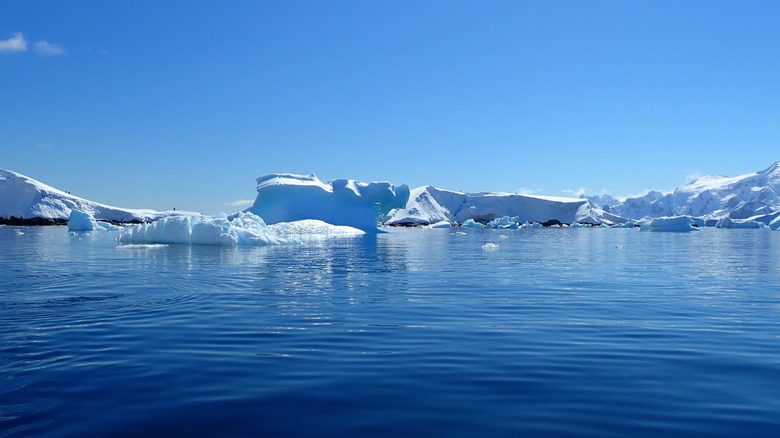
An Australian national science agency called CSIRO launched an experiment in Antarctica that went terribly wrong — in a way that ended up going wonderfully right. A free-floating ocean robot was sent to collect data from the Totten Glacier. However, a current pulled it away from its destination and westward. It ended up in a place very difficult for scientists to analyze, and it returned with extremely rare and valuable data.
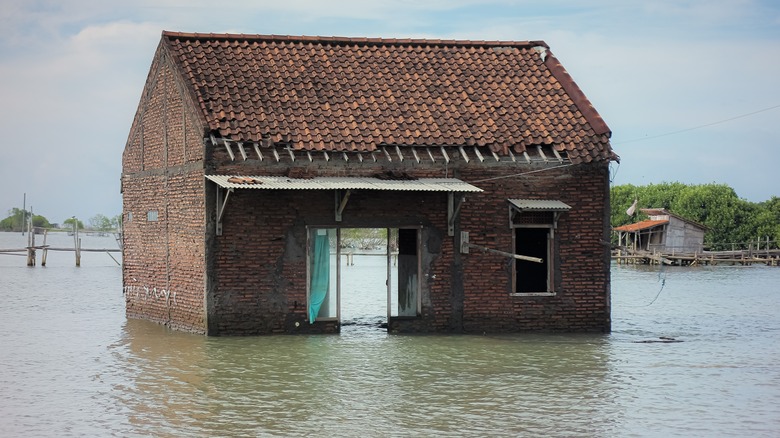
The ocean float has salinity and temperature sensors and was meant to go below the water and surface once every 10 days to transmit its data to satellites. Robots like these are used frequently in ocean research and sometimes for measuring the impact of climate change on the waters and glaciers. This specific one was meant to study the Totten Glacier in regards to how much the global sea levels could rise if the glacier melted. This is such a concern that the National Oceanic and Atmospheric Administration (NOAA) even has an interactive map to show which coastlines could be permanently underwater in the future.
Pulled off its course, this float actually ended up underneath the ice of the Denman Glacier in a location extremely difficult for scientists to observe and collect data from. Though the research team feared it was lost forever, it popped back out nine months later. With it was a set of crucial data for the Denman Glacier and how climate change is impacting Antarctica as a whole.
The data the robot discovered
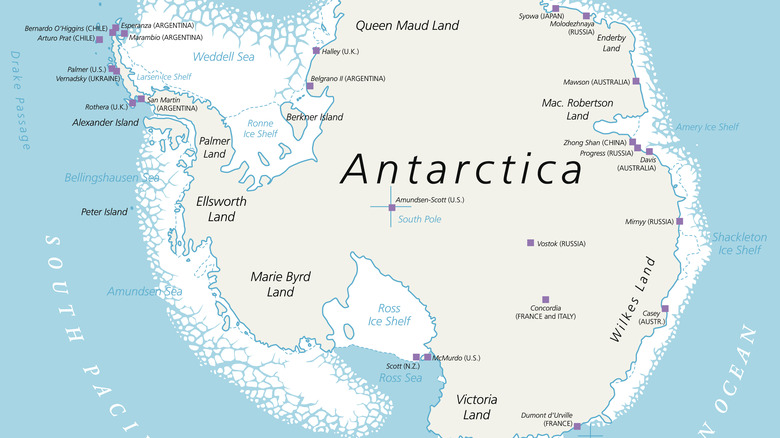
The robot traveled beneath the Denman Glacier and the Shackleton ice shelf. Though trapped, the robot ocean float continued to do what it was meant to: It measured water salinity and temperature from the sea floor up to the base of the ice shelf it was under. However, it could not surface to transmit this data to satellites, so it was navigationally lost for the research team. There was one trail of clues left to follow; as the float tried to surface, it bumped the ice shelf. Whenever it did so, it was able to measure the depth of the ice shelf.
The research team was able to compare the data of the ice shelf's depth to satellite measurements of the area. From that, they were able to piece together an idea of the path the ocean float took, thus knowing where its salinity and temperature measurements were specifically coming from. Throughout its mission, the robot collected 195 profiles of data.
The data returned showed that the Shackleton ice shelf is not yet in danger of warm water melting it. However, the Denman Glacier does have warm water beneath that is causing it to melt. This glacier on its own could cause sea levels around the world to rise by almost 5 feet. Identifying these risk areas is important, as it seems we may be past the point of no return for some climate change damage, and the world's coastlines may be in danger no matter what.
What this means for future science
This scientific accident turned out to be a stroke of luck for the team. The ocean float gathered data from areas never before researched. In fact, this was the first ever line of oceanographic measurements under an East Antarctic ice shelf. This has provided critical data about this area and the risk posed to the Denman Glacier.
Since the robot float did survive under the ice for so long with good data, scientists look to the future of sending more of these floats into very remote places in hopes of returning rare data. Though that comes with its risks, the insight gathered could be critical to monitor glacial melting and create predictions for sea levels rising.
The fact that the ocean float measured Eastern Antarctica specifically is also very important for future research. It holds more ice than West Antarctica, so glaciers melting in that area pose a greater overall threat for coastlines. Measuring under ice shelves also could shed greater light on if Antarctica is rising out of the ocean and what that could mean for the planet. The data from this lost robot was put into publication in the ScienceAdvances journal in December 2025 under the title "Circulation and ocean–ice shelf interaction beneath the Denman and Shackleton Ice Shelves." It now serves as a useful piece of research for Antarctic studies.