

Popular Cheap Android Phone Brand Confirms Your Worst Fears - Price Hikes Are Coming
We've been hearing for months that smartphones are going to be more expensive in 2026 because of the demands set out by a booming artificial intelligence industry. Advanced AI features, like the ones many smartphone vendors offer customers, rely on cloud processing and massive infrastructure investments. Those servers where some of your prompts are processed require processors, specialized GPUs, RAM, and storage. It turns out that memory and flash storage chips made for iPhone and Android devices also work in AI datacenters, which is causing significant demand pressure. Semiconductor firms have increased prices for these components in recent months, with analysts warning that some smartphone vendors will have to pass the extra costs to consumers.
Fast-forward to mid-January, and British smartphone brand Nothing, popular for its affordable entry-level and mid-range phones, has confirmed that the price hikes are real. The bad news some Android phone buyers may have feared arrived directly from Nothing CEO Carl Pei, who posted a lengthy explanation on X titled, "Why Your Next Smartphone Will Cost More."
Less than a month ago, IDC analysts warned that "the global smartphone market, particularly Android manufacturers, is facing a threat in 2026," in a report detailing the memory shortage crisis. IDC pointed out that smartphone vendors targeting the high-end market, including Apple and Samsung, are better positioned than vendors who manufacture cheaper Android devices. Android vendors including TCL, Transsion, Realme, Xiaomi, Lenovo, Oppo, Vivo, Honor, or Huawei operate on slim margins, the IDC said, adding that such companies are "likely to suffer significantly." Their only option is passing the cost, or part of it, to buyers. Nothing wasn't explicitly named in that report, but the British vendor is a newcomer in the industry compared to more seasoned players.
Nothing mostly sells cheap Android phones
Carl Pei echoed IDC's remarks, saying that "2026 is the year the 'specs race' ends," contrary to the previous expectations from both vendors and buyers. "For fifteen years, the smartphone industry relied on a single, reliable assumption: components would inevitably get cheaper," Pei wrote. "While short-term volatility existed, the long-term downward trend in memory and display costs allowed for annual spec bumps without price hikes. In 2026, that model has finally broken, driven by a sharp and unprecedented surge in memory costs."
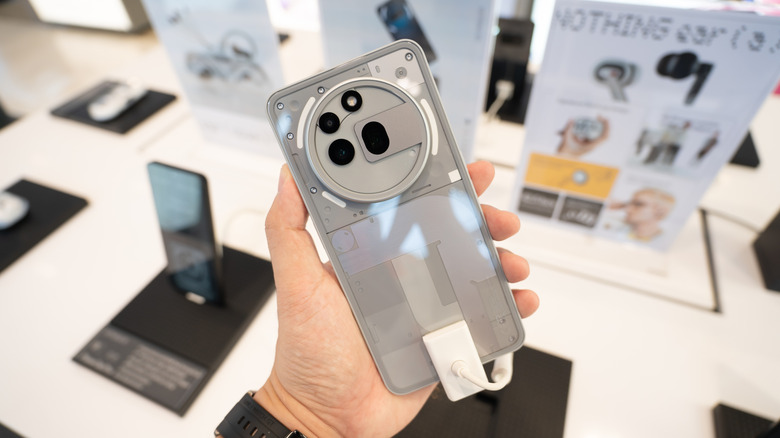
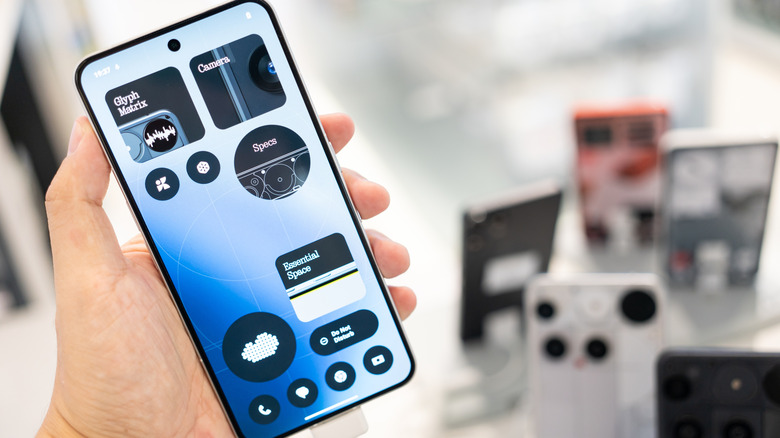
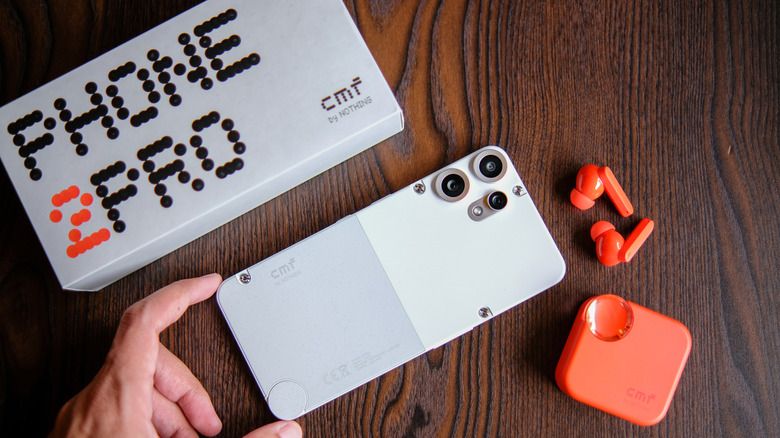
Nothing launched its first handset, the Nothing Phone 1, in 2022, a $299 mid-range phone. Since then, Nothing released both flagship phones (the $599 Nothing Phone 2 and $799 Nothing Phone 3) and mid-range devices (the $349 Nothing Phone 2a, $399 Nothing Phone 2a Plus, $379 Nothing Phone 3a, and $459 Nothing Phone 3a Pro). Separately, Nothing also launched a smartphone sub-brand that makes entry-level handsets, the $199 CMF Phone 1 and $279 CMF Phone 2 Pro.
Nothing is expected to launch a next-generation series of phones this year. Carl Pei's remarks about price hikes are likely a PR move from the experienced executive to temper price-related expectations for the upcoming Nothing Phone 4-series phones.
How much will the Nothing Phone 4 series cost?
Pei did not mention any new Nothing products by name, but said that pricing will "inevitably also increase across our smartphone portfolio, particularly as we will upgrade some products launching this [quarter] to UFS 3.1" storage. He didn't mention RAM costs for upcoming Nothing phones, but said that costs have tripled in some cases for memory components. Further increases are expected, as AI firms consume available supply.
"Memory is fast becoming one of the most expensive smartphone components and potentially the single largest cost driver in the bill of materials by year-end, with estimates suggesting that memory modules which cost less than $20 a year ago could exceed $100 by year-end for top-tier models," Pei said. He added that smartphone vendors have to raise prices by up to 30% or downgrade the specs.
Pei also appears to see the glass as half full, or perhaps he's framing the situation in a positive light to reassure consumers. "For Nothing, the current situation represents a great opportunity," he said, adding that the company has always had to operate without benefiting from the cost advantages of well-established phone makers. Instead, Nothing realized it could not win on specs, and focused on a better design and user experience. "As the industry resets, experience becomes the only real differentiator," Pei said. "That is exactly what Nothing was built for."