

There's A Reason Why Smart Light Bulbs Are So Cheap

Smart light bulbs are convenient, aesthetically pleasing, and surprisingly cheap, but there's a reason these seemingly luxurious bulbs are so affordable compared to other IoT devices. The popular phrase, "if you aren't paying for the product, you are the product," applies here in a potentially sinister way. In a paper published in Forensic Science International, Dr. Pankaj Sharma and Professor Lalit K. Awasthi explain the security risks of smart bulbs, which introduce the implications of spying and data collection using these devices.
When you set up a smart lighting system, you use smart light bulbs that have a chip inside them to enable wireless communication with other devices. These lights connect to a smart home management app or AI assistant, giving you the power to automate, remotely control, or change the colors of your lighting.
However, the aforementioned chips are just small, basic processors in an otherwise normal light bulb. Not only are the component parts relatively cheap, but they are also exploitable for the sake of extracting user data.
Are smart light bulb manufacturers selling your data?
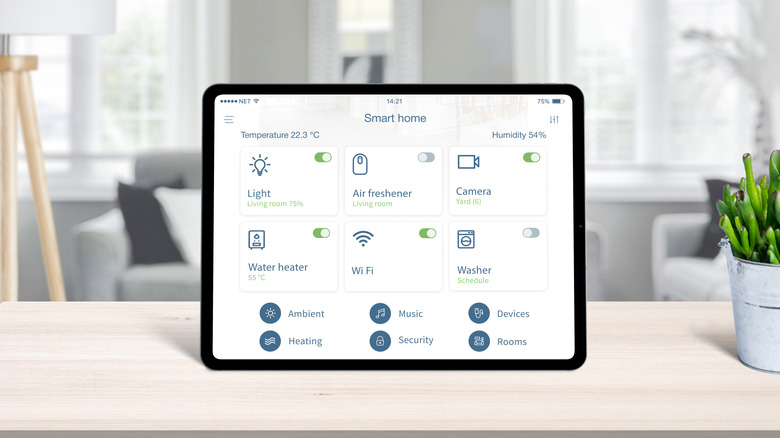
Electronics manufacturers and smart-service providers can profit even when they provide an inexpensive product, so long as they make up for the loss by selling data about users' media consumption and everyday habits. The unfortunate truth is that most consumers are not clamoring for robust privacy controls to be built into smart light bulbs. This makes it easy for the manufacturer to use them for the simple task of collecting and selling data.
There are staggeringly real precedents that validate concerns regarding the selling of data by smart light bulb manufacturers. In 2023, the Mozilla Foundation reviewed the Wyze Bulb and concluded that the Wyze device ecosystem collects data that can be used to build inferences about users and can be shared with third parties.
Data gathered by smart device manufacturers often ends up in the hands of advertisers, data brokers, and analytic firms. It may be possible to cleanse some of your shared information from the internet using a service like Incogni. In all likelihood, though, the damage is already done, and marketers are already using your behaviors to inform their next decisions.
How can you use cheap smart light bulbs responsibly?

The reason smart light bulbs are so cheap is that they present risks to your security and privacy. Does this mean you should avoid smart bulbs entirely? Not necessarily; you can certainly put together an inexpensive smart home without exposing your personal information. However, it may require taking security into your own hands. Start by setting up a VLAN that prevents certain smart devices from accessing and storing information from your PC and other sensitive devices.
In the study by Sharma and Awasthi, it was found that private information, including prior passwords and security tokens, can persist in the flash memory of a smart bulb's chip. This is another result of smart bulbs using inexpensive chip technology, and it presents yet another risk: cybercriminals scavenging for discarded light bulbs in search of infiltration opportunities. Be sure to always dispose of smart tech safely to avoid ne'er-do-wells breaking into your home network.