

3D-Printing Robots Might Help Solve The Housing Crisis - Here's How
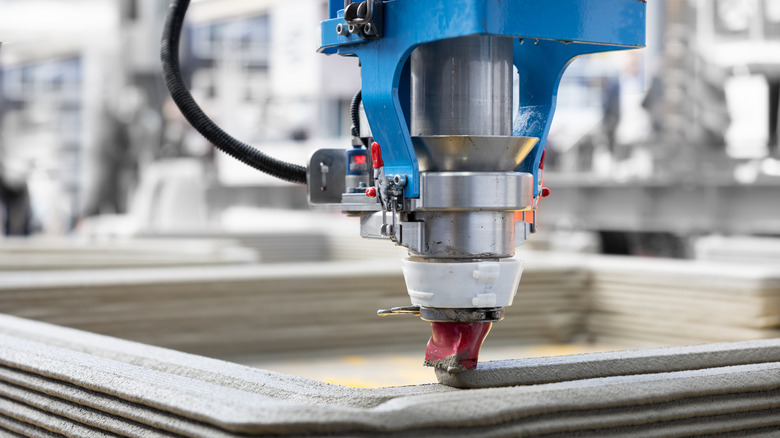
With the fast-developing 3D printing technology, we are now able to construct houses much faster and cheaper. But is that enough to tackle the ongoing housing shortage? Across the whole Western world, housing is getting more expensive and in short supply. There's an estimated shortage of 7.3 million rental homes for low-income renters in the U.S. alone. That means many families live in crowded homes or are in unstable living situations. The shortage of housing is also pushing the costs of real estate and rent nationwide. European capitals and major cities are experiencing the same problems. 3D printing robots may alleviate the housing shortage and make homes more affordable in the near future.
There are many causes for the housing shortage, including fast population growth, slow construction methods, high material costs, and restrictive local regulations. That's why builders and policymakers are experimenting with new ways to increase housing supply in as short a timeframe as possible. Factory-built modular homes and new materials are gaining attention because they can be produced faster and more cheaply than traditional construction. 3D printing is one of the innovations that is gaining traction. It has a huge potential to accelerate construction — potentially printing homes in a few hours — and lower the costs of finished, ready-to-move-in houses. However, it doesn't come without certain challenges. Some of them are even dictated by the public's knowledge of what 3D printing is. So let's explore how 3D-printed houses might help solve the housing crisis.
What are 3D printed houses?
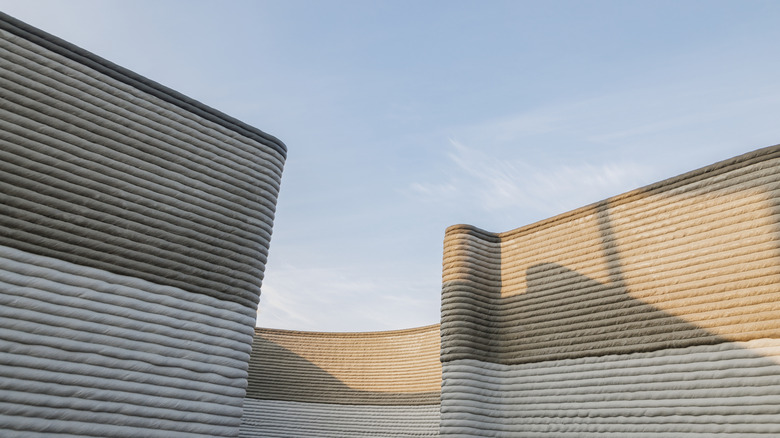
The technology used to 3D print houses is very similar to the popular desktop 3D printers. The machines are huge, and they use a special concrete mixture that's extruded through the nozzle. It follows a specific design pattern and builds the house one layer of concrete at a time. It doesn't need the traditional wooden frame to build walls and other structural elements. The joints and gaps in the walls are minimal. The computer is guiding the building process with G-Code, a programming language that tells the printer how to move and which path to follow.
When we think of 3D printing, we tend to think of plastic filament or resin. But 3D-printed houses are made of concrete, which has many advantages over traditional materials such as wood and gypsum. It's durable and it can resist fire, pests, mold, and bad weather. Also, concrete walls can easily reduce the energy used to cool and heat the house.
That said, these are not the only advantages of 3D-printed houses. Perhaps the most important one is the reduced construction cost. Yes, the machines that are doing the work are extremely expensive. One machine can easily cost as much as 1.5 million dollars. However, 3D printers are extremely efficient, and they'll put only as much concrete as is needed. There's no construction waste because even the concrete leftovers can be repurposed. Labor costs drop too because fewer workers are needed on the building site and it doesn't take long to finish a project. Europe's biggest 3D-printed building took only 140 hours of printing time. Projects like that have already demonstrated that the material and labor efficiencies of 3D printing can reduce house costs well below traditional construction prices.
How 3D printed houses can help tackle the housing shortage?
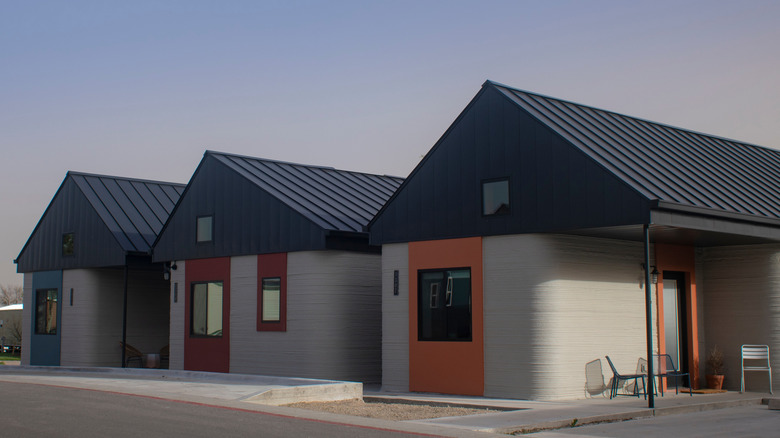
For 3D-printed homes to make a real impact on fixing the out-of-control housing crisis, the technology must scale up beyond small demonstration projects. Building single homes is one thing, but producing thousands of units in many regions requires more printers, trained technicians, and significant investments in supply chains. The scale is necessary if 3D printing is to move from novelty to a consistent contributor to housing supply.
There are other challenges that 3D-printed housing needs to overcome before it becomes a new building standard. Many local and state building codes don't yet include clear standards for 3D-printed structures. That slows down the bureaucracy and adds costs and uncertainty for the construction companies. Before 3D printing technology can be widely adopted, the building regulations need to be updated. Finally, public perception matters. Potential buyers are very unfamiliar with 3D-printed houses and for good reason. This is a new type of technology and not enough time has passed to see how it performs in the long run. Brick and mortar are proven to last even hundreds of years, so there's a reluctance to accept new and unproven building methods. That said, the skepticism about 3D printing may pass as the technology becomes more mainstream and houses become more affordable.