

There's A Major EV Problem Everyone Worries About, And One State Wants To Fix It
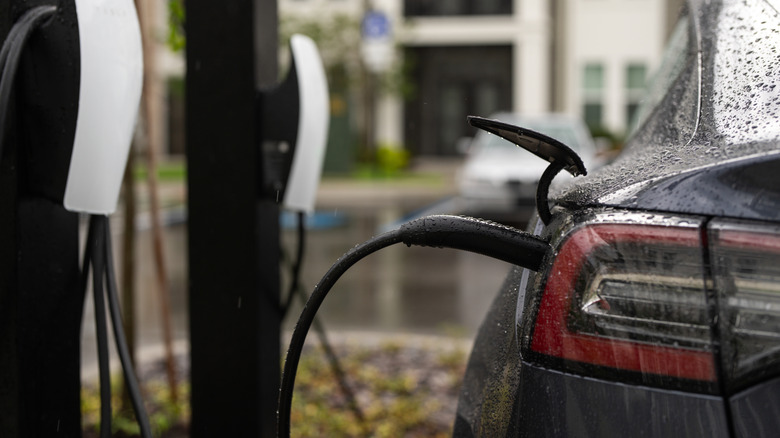
When it comes to the state of electric vehicles, the opinions are different depending on who you ask. Some people are all for adopting EVs, while others claim they aren't as green as people make them out to be. While some of these claims have been disproven, there is one major problem that EVs suffer from that nobody has quite figured out yet: what we're going to do with all those old batteries they no longer need.
The battery cells that power Tesla, Rivian, and other electric vehicles are expensive to make, and while battery failure and replacement are far less common than some might argue, they can still happen. Even when the batteries aren't being replaced, what happens when these electric cars are totaled in wrecks or some other issue causes their battery to no longer work as intended? Well, it can't just go to the dump, as batteries are extremely flammable objects, and the materials used to make them are expensive to gather.
This also brings us to the proverbial elephant in the room: manufacturing costs. The creation of a single big car battery can often require mining large plots of land to gather the materials needed to construct the batteries themselves. This, some studies suggest, leads to the making of one electric car leaving a larger carbon footprint than making a single gas car does. So, how do we resolve all of these problems? Well, Colorado may have an answer.
Colorado is requiring automakers to step it up
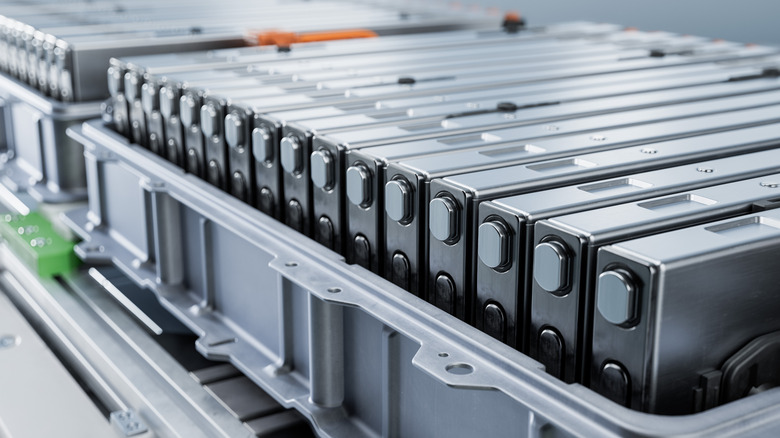
As it has quickly become one of the leading states for EV registrations, Colorado has apparently been looking for ways to tackle some of the biggest problems facing electric vehicles. While some might be more focused on improving EV batteries or even expanding charging networks, the Colorado state legislature has turned its focus to one of the more climate-oriented concerns when it comes to electric cars: what we do with the batteries afterward.
Now, instead of just letting manufacturers decide what they want to do, Colorado has introduced a new bill that will essentially force manufacturers to either handle the proper recycling of old EV batteries themselves or find some outside party to handle it for them. The bill comes on the heels of another recently approved program called the Producer Responsibility Program, which requires the manufacturers of aluminum cans and paper packaging to fund recycling programs instead of residents being charged for it.
Previously, Colorado has also signed a law that requires retailers and the manufacturers of smaller batteries in devices to be recycled on their dime instead of the consumers. So, this would just be a larger expansion of that previous law to include EV batteries as well.
Will Colorado's bill make a difference?

As it stands, Colorado state legislators believe that focusing on recycling the components of used EV batteries will help make electric cars even greener than they already are (per The Colorado Sun). As mentioned before, one of the costliest parts of building an electric vehicle is the cost of putting together the chemical components that make up the massive battery cells that power the vehicles. By forcing manufacturers to handle recycling, they will hopefully be able to reuse more of the pieces instead of having to rely on gathering more.
This should, hopefully, lead to a bit of a domino effect, in that the cars cost less to manufacture, while also making the impact on the climate much smaller. Of course, there's no guarantee that this will actually be passed into law, but it does seem like a good move for making electric vehicles even more enticing, especially as we continue to struggle in our fight against climate change.