

Why There's Simply No Need For Disc Drives Anymore

If you were to buy a new laptop, you'd have a hard time finding one with a built-in disc drive that can read CDs, DVDs, or Blu-ray discs. That's been the case for years, with Apple famously starting the trend of releasing laptop models without disc drives in 2008. The first-generation MacBook Air featured an ultra-slim design that many competitors tried to replicate in the years that followed. That light Air chassis design was possible largely because the laptop didn't have a disc drive.
More recently, gaming consoles have also started shipping without disc drives, though vendors like Sony and Microsoft still also offer models featuring disc drives. Traditional desktop PCs sometimes feature disc drives, but even this product category can ship without them. This shift indicates there's really no need for disc drives for most people, as other alternatives exist for consuming content and storing media.
Disc drives are the remnants of a period in the computing age when physical discs were the go-to solution for installing software, playing games, watching movies, and storing information. But several separate advancements make disc drives unnecessary for most people. Internet speeds have increased significantly, making video- and game-streaming experiences possible. Software, including games, can be purchased from online stores and downloaded directly on a laptop, desktop, or console, just as it happens with app purchases on mobile phones. Cloud services offer subscriptions that can accommodate various data storing and sharing needs. Solid-state drives (SSD) are much faster than a CD, DVD, or Blu-ray disc, plus they're smaller and easier to carry around.
How Netflix and Apple 'killed' disc drives

A disc drive unit is bulky, taking up internal space and adding weight to the product. It's not just about laptop and desktop PC designs, as consoles with built-in disc drives are larger than the ones lacking the component. They're also more expensive. A clear comparison is the disc-less PlayStation 5 versus the disc version. The drives feature moving parts required to spin the disc to read and write data, which can lead to failures. The extra components needed for disc drives increase manufacturing cost and can add complexity to the design. For example, the space occupied by the drive can be used to increase the battery size in laptops or reduce the size of gaming consoles.
Looking back at the history of the disc drive, two key events likely sped up the demise of this computer component. Apple introduced the MacBook Air in 2008, which forced users to rethink their media storage needs and turn their attention to other solutions. Meanwhile, Netflix had started offering subscribers access to video streaming in 2007 before the first-generation MacBook Air arrived. Video streaming was an extra perk available to Netflix subscribers who were getting their movies in disc form, via mail. In 2012, Apple removed the disc drive from the MacBook Pro, a product line that had until then retained support for disc drives, as some professionals may have still needed access to optical media.
Are disc drives good for anything nowadays?
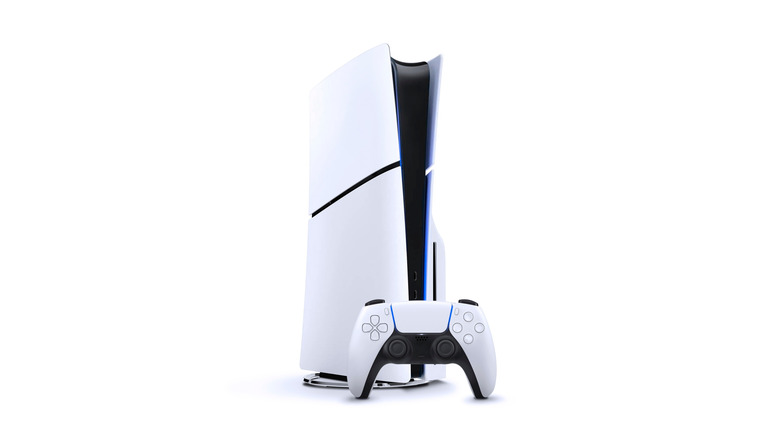
Fast-forward to 2026, and all the computers in Apple's lineup lack disc drives, desktops included. As for Netflix, the streaming giant stopped shipping discs in 2023. It took a while longer for console vendors to remove disc drives. Microsoft did it in 2019 with the Xbox One S All-Digital Edition, while Sony followed a year later with the PS5 Digital Edition. The first Nintendo Switch, a handheld console designed to be light and portable, debuted in 2017 without a disc drive.
While disc drives aren't present in most laptop designs, you can purchase an external disc drive and connect it to the notebook. You can also install disc drives in tower PCs. There are also Blu-ray players that you can connect to your TV if you want to watch movies on discs you already own instead of streaming them. Also, some gamers may prefer to own their games physically, in which case they will look for consoles with disc drives instead of digital versions. Disc drives may also be a good solution for long-term storage as a way to back up sensitive data stored on SSDs and hard disks.
Finally, there may be categories of users who need disc drives for specific work-related reasons. For example, certain hospital departments, like radiology, may still use discs. Separately, some movie fans may want to consume media from existing disc collections and add to them. That said, it's likely that the vast majority of people, especially consumers who rely primarily on mobile devices for computing needs including entertainment, no longer need disc drives.