

The 4 Cheapest EVs You Can Buy Today
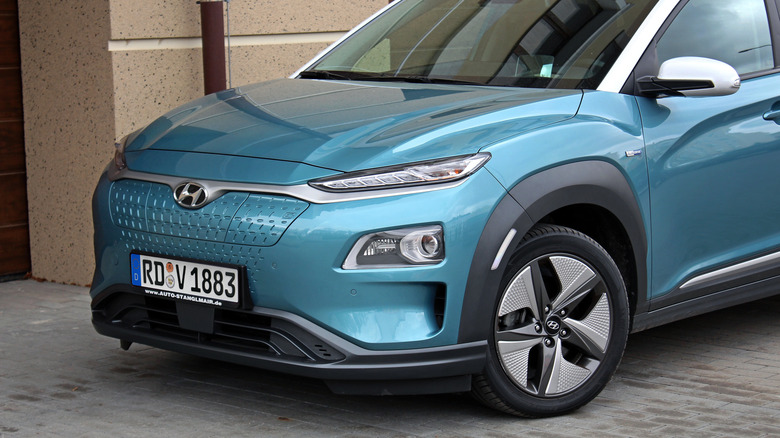
Electric vehicles are meant to be affordable and accessible, especially when you break down their cost over time. They don't require traditional fuel, often deliver an extended mileage range, and also come with less maintenance. EVs don't have emissions nor do they need oil changes; those are both traits of a traditional gas-powered combustion engine.
Oil is used to lubricate mechanical moving parts, for instance, which electric powertrains don't have. But depending on the make and model of the EV, prices vary, just like traditional vehicles. On average, a Nissan, or a Ford is going to cost less than, say, a Mercedes-Benz. Teslas certainly aren't considered cheap when it comes to price, either.
If you are looking to upgrade, and remain in the realm of accessible, the good news is that there are indeed some more affordable options. From the Nissan Leaf to the Toyota bZ4X, spanning prices from $29,000 to $38,500 and beyond, here are the four cheapest EVs you can buy today and why you'd want them.
2026 Nissan Leaf EV — From $29,990
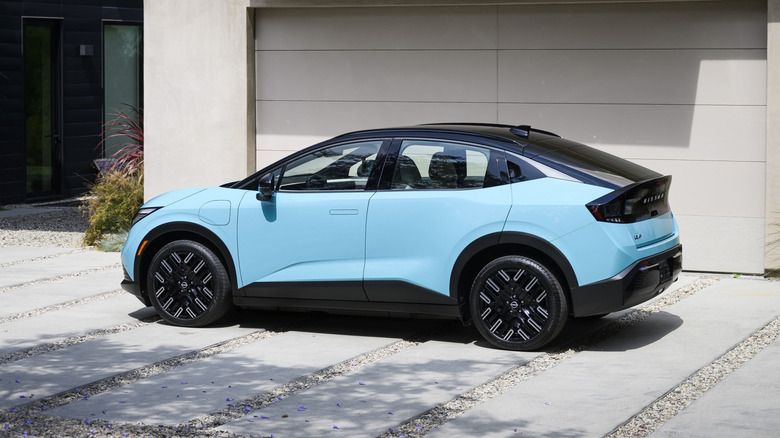
The 2026 model Nissan Leaf is mostly a stylish upgrade with its sleek body style, standout accents, intricate wheels, and buzzworthy lighting elements. But this is an electric vehicle so, the real allure would be the 259 to 303 miles of range per charge, EPA estimated. It's also super quiet during a drive and features a classy, upscaled interior, much like you'd expect from a modern vehicle hitting the market with lots of stiff competition.
Prices are competitive, too, with the Leaf starting at $29,990 for the S+ trim with $1,495 in destination and handling fees. The next tier up, SV+ starts at $34,230 with 18-inch aluminum-alloy wheels and dual 14.3-inch widescreen infotainment displays. Platinum+ starts at $38,990 for larger 19-inch aluminum-alloy wheels with a sleek look, a dimming panoramic roof and Bose advanced audio.
While it is a pleasant drive, and Consumer Reports agrees that it shows lots of promise, it also serves as a solid example of why EVs aren't so popular with consumers. Even the cheapest electric vehicle on the market from 2025 shows lackluster adoption rates. Still, the new model is looking to be quite the upgrade, sure to receive several accolades. It also earned a 9/10 during Car & Driver's testing and delivers on the promise of a bigger, better EV that's a lot of fun to drive. Do note, this is the last year the Nissan Leaf will be available as it's being phased out, so the brand can focus on the Ariya it's next-generation of electric offerings.
2025 Hyundai Kona Electric — From $32,975
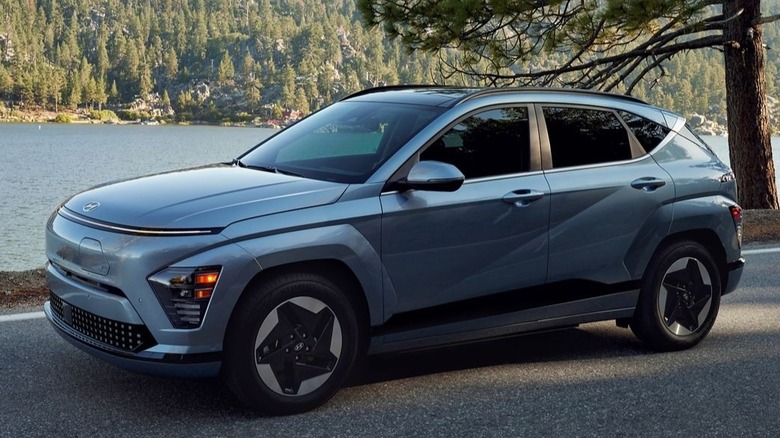
As one of the more affordable EVs available, current year models included, the Hyundai Kona Electric provides a good amount of value. It's a cozy, quiet drive, with an estimated range of 200 to 261 miles per charge, EPA estimated, with front-wheel drive. That's not a big range for long drives, but for commutes and quick trips to the grocery store or around town it'll do just fine. Prices start at $32,975 plus $1,395 destination and handling fees for the SE model. SEL, N Line and Limited are the other tiers, with the most expensive starting at $41,150, not including the destination fees. Upgrades for the premium trims include heated front seats, a leather-wrapped steering wheel, power driver seat adjustments, roof side rails, Bose premium audio in the N Line and a surround view monitor in the Limited.
Ambient lighting really spruces up the interior and brings a futuristic aesthetic to your night drives. One downside with the EV model is that the trunk space is smaller than the gas models. This does limit your storage space, but who's using an EV like this to haul lots of gear, anyway?
It also features, arguably, one of the most unique EV styles out there with an iconic grille, boxed front design, snazzy wheels and distinct color options — check out the Neoteric Yellow in the limited edition model. It's not built for speed and performance, so it's not as fast as some competing EVs like the Nissan Leaf, Volvo EX30, or Kia Niro EV. The trade-off for a more comfortable, long-range drive may be worth it for most, however. Car & Driver scores the 2025 Hyundai Kona Electric an 8/10 for the year.
2025 Chevrolet Equinox EV — From $33,600
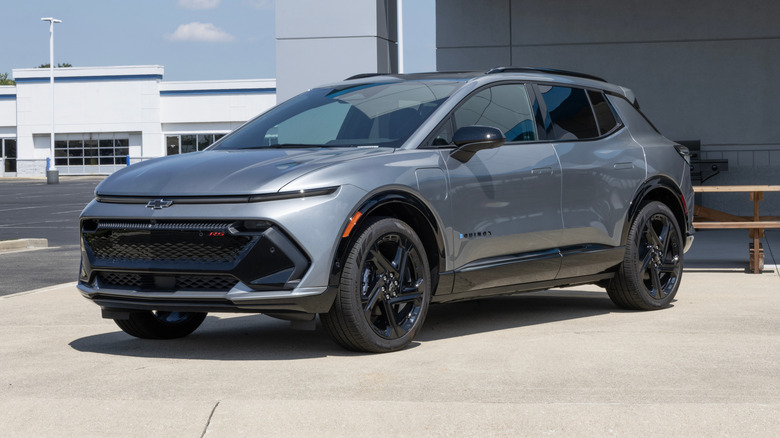
The Chevrolet Bolt is on hiatus until 2027, which means the 2025 Chevrolet Equinox EV takes the brand's entry-level spot. Additionally, the EV model shares a name with the Equinox SUV, but they are two completely different vehicles. It features an estimated range of 319 miles per charge, EPA estimated with front-wheel-drive. It also has Chevrolet's Super Cruise hands-free highway driving support to take a little stress off routine drives, like a daily commute. Sadly, there's no Android Auto or Apple CarPlay onboard and the cargo space is smaller than gas models, though still capable for any EV at 57 cubic feet with the rear seats folded.
Prices begin at $33,600 plus $1,395 destination and handling fees for the LT1 trim. The next step up, LT2, starts at $41,900, introducing a front LED light bar and roof rails, wireless phone charging, and heated steering wheel, front seats, and mirrors. The top-end RS trim is $43,400 and up, with a large 17.7-inch touch-screen display, blacked out emblems, mirrors and larger 21-inch wheels. Neither of the upper trim prices include the destination fees.
All said and done, it's a zippy little vehicle ideal for those looking to optimize their Point A to Point B drives and shed some of the no-charger-nearby anxieties. Plus, the overall cost is reasonable, comparable to most EVs in its class, and any add-ons or premium trim options you'd want won't break the bank either. Besides the front grill, it's one of the most traditional looking EV models — outside of hearing how quiet it runs, you wouldn't really know it's electric by looks alone. The 2025 Chevrolet Equinox EV scores an 8.5/10 from Car & Driver.
2025 Toyota bZ4X — From $37,070
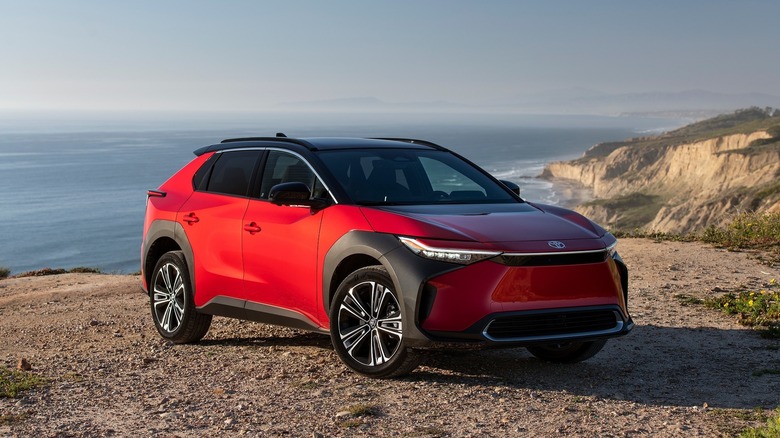
Built for driving around town and around the city, the Toyota bZ4X features a 222 to 252 mile range per charge, EPA estimated, which is slightly more limited if you're driving long-range or highway miles. It comes in all-wheel-drive (dual motors) and front-wheel-drive (single motor) options and the core aesthetics resemble the Subaru Solterra. Although, the bZ4X's two-tone styling is snazzier.
The 2025 bZ4X comes in three trims, starting with the bZ4X XLE at $37,070 plus $1,450 destination and handling fees. The next tier, bZ4X XLE Nightshade starts at $40,420 for a unique dark-themed exterior, and the bZ4X XLE Limited starts at $41,800. As expected, those upper trims prices will also come with additional destination fees. Most of the changes between trims are to the aesthetics, but the XLE adds wireless charging, and extra USB-C ports for devices. Limited offers advanced parking and a 360-degree camera, with optionals like heated seats and an upgraded JBL sound system.
Car & Driver scores it a 7.5/10 and describes it as "peppy around town," promising some great pick-up-and-go for an EV of this caliber. Additionally, the premium trims, XLE, Nightshade, and Limited are quite affordable alongside the base variant. Depending on your budget, that allows you to upgrade to some more eccentric features inside and out without driving up the price too much. The dark-themed Nightshade edition throws some unique styling in the mix, like a black finish to the roof, handles and badging and 20-inch slick wheels. Limited trim adds a 360-degree camera with autonomous parking assistance. All models come with a sizable 12-inch touchscreen display and both Android Auto and Apple CarPlay support.