

Google Maps And Waze Share One Big Problem

Waze sets itself apart from the competition, like Google Maps, by making the experience more engaging. For starters, it's focused on car and bike drivers, versus generalized maps and traffic alerts. That means, Waze is a great app to use if you're looking to find the best possible route to somewhere, especially fast. But also, Waze uses social cues — those funny emojis — to show you what's going on at any given time. You can see road hazards, accidents, potential police traps, and other drivers, all denoted by smiling or emotive icons on the map. There are some other differences in how they operate and how they're used — Waze can show you local gas prices, for example — but the big callout is that they're both owned by Alphabet, and Waze is a subsidiary. That means Google Maps and Waze are similar when it comes to data collection and privacy, and all that information goes to the same source.
If you have a problem with how Google handles data collection, you'll likely have the same problem with Waze. That's worth considering. According to the Waze privacy policy, hosted by Google support, by the way, information you provide includes account details, usernames, phone numbers, home and work addresses, and other addresses you save in the app, your car's details, destinations you visit, search queries, calendar info, and files you upload to the service. Additional metadata related to your device, browser, and app usage may also be collected. Waze may also collect information "about you from [...] partners," including, but not limited to, unique advertising IDs, local storage, browser web storage, app data caches, databases and server logs. It's not necessarily clear exactly what info these data stores contain, but it's safe to assume anything related to Waze or Google's services is scooped up.
Google Maps and Waze also share features
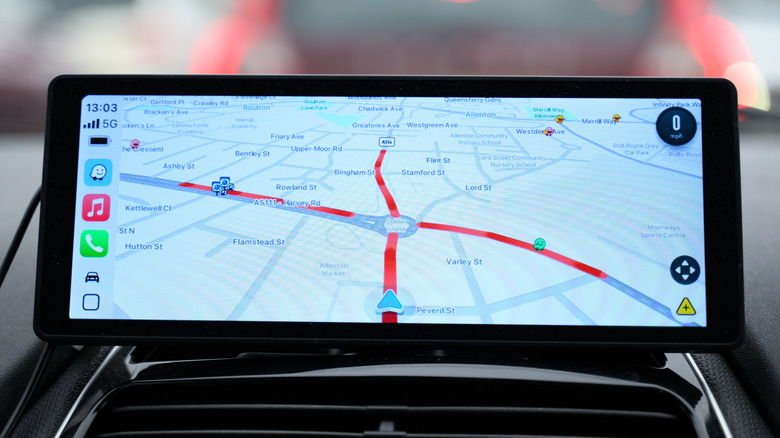
When Google acquired Waze, it began incorporating some of the features into Google Maps, which is why they now look so similar if you use them both. For example, in 2021, Google Maps was updated so it now displays prices of tolls, a feature it borrowed from Waze. In addition, Waze community incident reports now show up in Google Maps. There's still a clear difference between the two if you pit them against each other in a Google Maps versus Waze matchup. But this feature sharing also helps to back up the idea that Google Maps and Waze share similar data management policies. If the two apps are sharing community reporting of road incidents, well, you can figure out the rest — they're also sharing data, period.
If you want to take a deep dive into what kind of road and geographic data Waze and Google's apps are collecting, the full list from Google Support is pretty substantive. It does appear like the two apps and services share at least some real-time data, as well, even if Waze is tailored to show more of it to drivers and users. They share infrastructure for sure, but not necessarily all data collected, but if it's going to the same place — Alphabet's databases — does that truly even matter?
When all is said and done, if you're going to use Waze, it's worth noting the infrastructure and data sharing capabilities, and if you're against how Google handles data and privacy, it might be worth avoiding both apps, Google Maps included.