

The Reason Why TCL TVs Are So Cheap
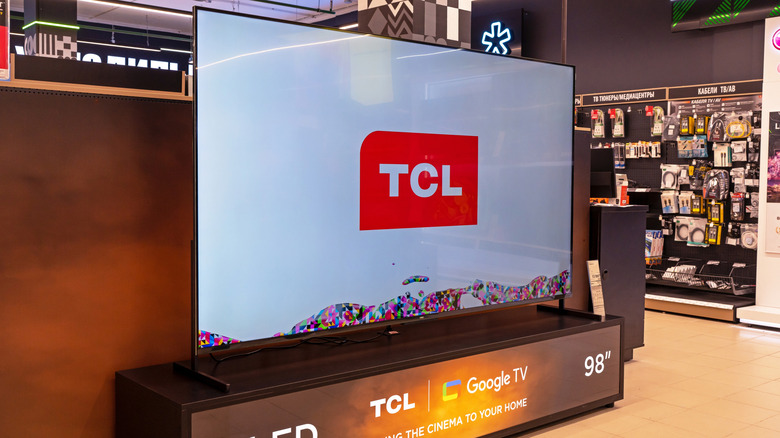
When you stroll past the TV aisle and spot a large-screen offering from TCL — often sitting beside premium names such as Samsung and LG, yet priced as if entry-level — you're naturally inclined to wonder: How can the TCL TV cost so little? It's the same question many people have asked about Hisense, and the answer lies primarily in deliberate business strategy, manufacturing scale, and cost-vs-prestige trade-offs.
A major part of why TCL is able to sell TVs at a comparatively low price point comes down to strategy. TCL leans heavily on high-volume manufacturing, vertical integration, and aggressive cost control, enabling it to produce panels and components at scale while avoiding many of the expenses that drive up prices for premium brands. By owning significant parts of its supply chain, the company reduces reliance on external suppliers and can quickly pivot to new technologies without the traditional markups associated with third-party sourcing.
Pricing is also influenced by where TCL chooses to allocate its resources. Instead of prioritizing ultra-premium design touches or cutting-edge flagship features, TCL instead focuses on delivering strong baseline performance, bright screens, decent contrast, and solid colors, all paired together with Roku TV or Google TV software that keeps overall product costs down.
How TCL's business model keeps prices low
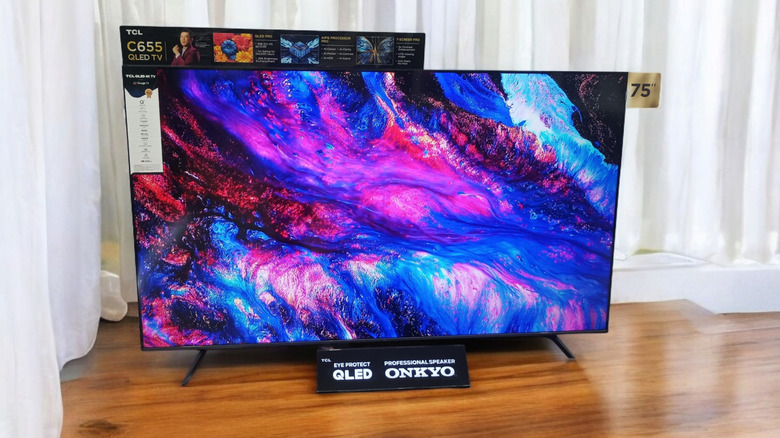
If you've ever wondered whether a low price tag automatically means low quality, understanding how TCL structures its business reveals a more nuanced story. The affordability is intentional, but it's built on efficiency rather than compromise, making TCL one of the most disruptive players in today's TV market.
At the core of TCL's strategy is something most manufacturers don't do: TCL produces many of its own key components, including the LCD panels themselves. This single advantage dramatically reduces production costs and gives TCL more freedom to experiment with new sizes, backlight technologies, and display formats without passing hefty R&D expenses to customers.
High-volume manufacturing further amplifies these savings. TCL pushes massive production runs across global factories, allowing parts procurement, assembly, and logistics to benefit from economies of scale. The more units it produces, the cheaper each one becomes, giving TCL the ability to offer 65-inch and even 75-inch TVs at prices that competitors struggle to match.
Features of TCL TVs
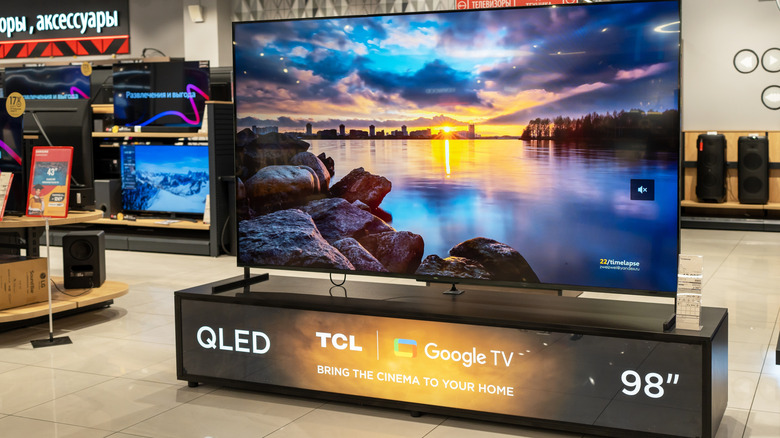
Despite TCL's budget-friendly reputation, TCL TVs actually have steadily evolved into some of the strongest performers when it comes to the mid-range market. The brand isn't just competing on price; it's offering feature sets that typically challenge TCL's more expensive rivals, such as Samsung and LG. Whether you're buying a basic 4K TV for streaming or stepping up to one of the company's Mini-LED sets, TCL packs in far more capability than most shoppers expect from a value-focused label.
When it comes to technical specifications, TCL's strengths are hard to ignore. The company's most recent QLED and Mini-LED models deliver superbly bright panels, high contrast ratios, and rich color reproduction that rival the most expensive TVs on the market. Features like full-array local dimming, wide color gamuts, and fast refresh rates also often appear in TCL TVs long before they trickle down to competitors' entry-level options. Even TCL's more affordable 4K models tend to offer consistently good HDR performance and sharpness for everyday viewing.
Smart TV functionality is another area where TCL over-delivers. By using well-established platforms such as Roku TV and Google TV, the brand avoids bloated custom software and ensures broad app support, simple navigation, and frequent updates. You're getting the same user experience found in TVs that tend to cost hundreds more.
Of course, value pricing does come along with some compromises. Build materials may feel cheaper, and audio performance tends to be serviceable rather than impressive, according to certain users on the r/tcltvs Reddit community.