

The Reason Why Amazon Basics Tech Is So Cheap

If you've ever shopped for a cheap charging cable, wireless mouse, or laptop stand on Amazon, you've probably stumbled across Amazon Basics. The brand has become a go-to for low-cost tech accessories, often priced well below competing name-brand gear. How, though, does Amazon sell such cheap tech without seemingly sacrificing quality, and while still making a profit for the company?
A lot of it comes down to scale and strategy. Amazon has access to something most brands don't — mountains of real-time shopping data. When the company identifies a product category that's selling well, such as HDMI cables, power strips, or wireless accessories, it can quickly collaborate with manufacturers to create its own version.
There's also the sheer size of Amazon's supply chain. By ordering in massive volumes and handling its own fulfillment, Amazon enjoys an economy of scale that other brands simply can't match. The result is tech that's surprisingly cheap, often reliable, and always positioned right where millions of shoppers are already looking.
How Amazon keeps manufacturing costs low
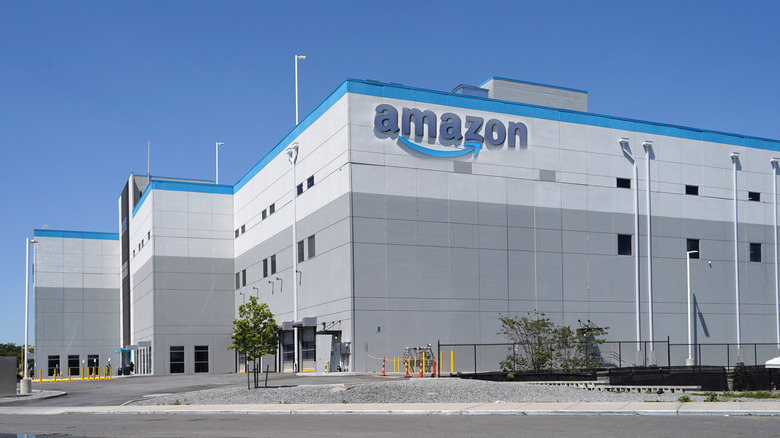
One of the biggest reasons Amazon Basics tech is so cheap is that Amazon cuts out many of the layers that normally drive up the cost of consumer electronics. Most brands rely on outside distributors, retail partners, and marketing agencies, each of which adds its own markup. Amazon, meanwhile, handles nearly everything in-house. It sources products directly from manufacturers, negotiates huge bulk orders, and moves its inventory through its own global logistics network.
Because Amazon doesn't need to spend on flashy packaging or large advertising campaigns, the company can sell tech accessories at slimmer margins. In fact, Amazon Basics products often serve as "gap fillers" in categories Amazon wants to dominate. Cables, adapters, batteries, and chargers are all high-volume essentials that the company can price aggressively to keep shoppers within the Amazon ecosystem.
Data analysis also plays an important role in Amazon Basics, too. When Amazon identifies a category ripe for disruption, it can move quickly to launch a lower-cost alternative — like a $27 microphone that looks like it came from Razer. That fast turnaround keeps Amazon Basics product prices low, and ensures the lineup focuses on products customers are already searching for.
Are Amazon Basics tech products actually worth it?
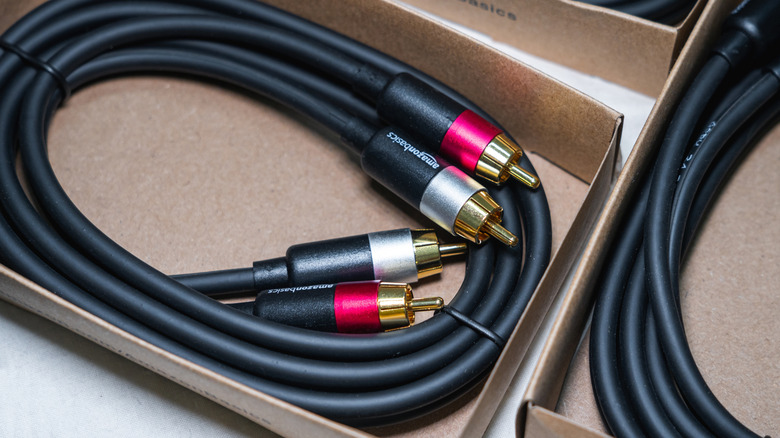
Should you trust Amazon Basics when you need a new charger, cable, or desk gadget? In most cases, yes, especially if you're looking for something inexpensive that simply gets the job done, such as speaker cables or a charging cable. Amazon's no-frills approach means you're not paying extra for branding or fancy packaging. And for everyday tech accessories, the value proposition is hard to beat.
That said, Amazon Basics isn't perfect. These products are designed to meet baseline expectations, not exceed them. Build quality is usually solid for the price, but you won't be met with premium materials, long warranty periods, or the kind of customer support you'd get from a dedicated tech brand. For simple, low-risk items, that trade-off is often acceptable. However, for gear that needs to last — like high-wattage chargers, surge protectors, or any device that handles a lot of power — it's worth comparing reviews and looking at alternatives from reputable manufacturers.
The bigger question is long-term reliability and consistency. Because Amazon works with multiple third-party factories, early batches of a product might not match the later ones, and quality can vary. Still, Amazon's easy return policy cushions most of the risk.