

Ranking 13 Major Luxury Watch Brands From Worst To Best
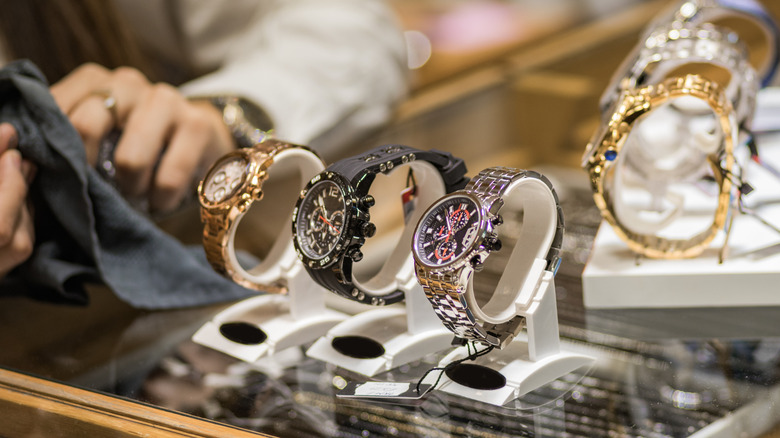
Most luxury watches you can think of cost more than most cars. People wear them, but they're also investments that can actually go up in value. They're status symbols, sure, but they hold their worth better than a lot of stocks. Right now, the global luxury watch market is exploding. It's expected to jump from nearly $60 billion in 2025 to almost $135 billion by 2032, according to Fortune Business Insights. A big part of that is collectors who treat these mechanical watches like solid, physical assets. The resale scene's no joke either — in 2024, the secondary market hit $26.52 billion worldwide and was projected to reach nearly $60 billion by 2033, according to Business Research Insights. There's real action out there; People are buying, selling, trading.
Not every luxury brand deserves a pedestal. Some names still push real craftsmanship and deliver watches that actually make good investments, while others lean hard on their history but cut corners where it counts. For this ranking, we'll break down 13 major luxury watchmakers, judging them on five factors: how deep their roots go, how much they innovate, how well they control production, whether their value holds up, and whether collectors actually want them.
13. TAG Heuer builds racing timers with cutting-edge tech
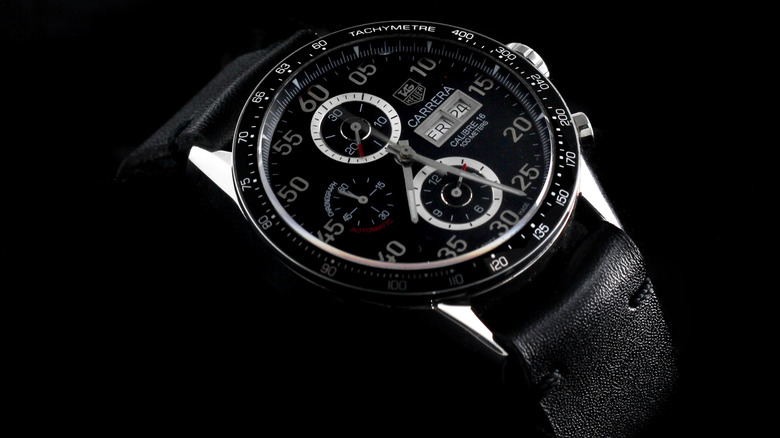
TAG Heuer has been making watches since 1860. That's a long run and, honestly, pretty impressive. Early innovations in chronographs did set industry standards. Somewhere between then and now, though, the brand got caught up in being Formula 1's poster child. The recent deal as F1's official timekeeper sounds cool in press releases. It doesn't actually make the watches better, though. What it does is drown out the watchmaking with marketing noise. Celebrity endorsements and motor racing sponsorships — rather than the actual watches – become the story.
Besides these issues, TAG Heuer ranks lowest here because it churns out roughly 380,000 watches annually. Compare that to the scarcity of Patek Philippe, and the gap becomes obvious immediately. Most TAG Heuer models don't hold value. Even when pieces do appreciate, it's usually vintage rarities, not current releases. Features like the TH-Carbonspring show technical ambition, sure. It reads as trend-chasing rather than timelessness, though. If you're spending the same amount, Breitling or Omega just turn more heads among collectors. That's not a knock on TAG Heuer's quality; It's just the truth about where the brand really stands.
12. Cartier hides clever movements under fine jewelry
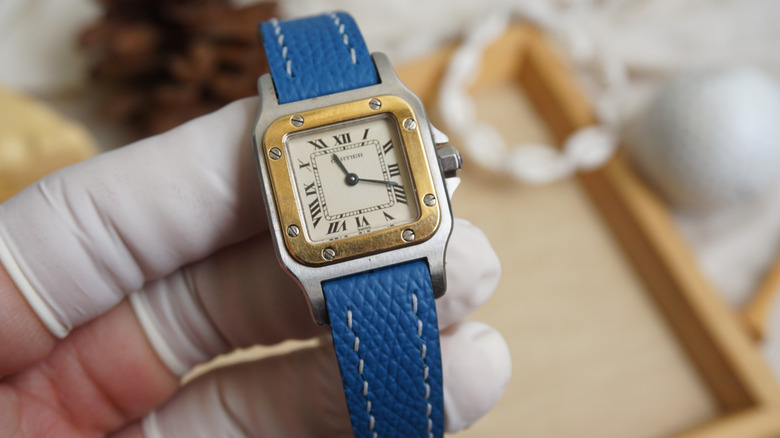
Cartier started as a jewelry house way back in 1847, which is a factor in why it ranks in this position. In 1904, it launched the Santos, the first real modern wristwatch for men. It wasn't just another watch on the market. It really shook things up, and people are still talking about it. Today's models bring exciting innovations such as SolarBeat technology, which is quite impressive on paper. Yet somewhere along the way, watches became jewelry's afterthought. The Tank and Santos remain stunning pieces, and that's not debatable. The problem is that everything about Cartier screams accessories. Watches feel secondary to the broader luxury empire.
Here's where it gets interesting, though. Cartier watches actually hold their value exceptionally well, retaining 87% to 99% of retail value in good condition, according to The Watch Exchange. Some vintage and limited pieces even appreciate. That kind of value retention shouldn't be dismissed, placing Cartier in rare territory among luxury brands. Popular models like the Tank and Santos have staying power in collector circles. The issue isn't craftsmanship or collectability. It's positioning. When a brand does so much — jewelry, leather goods, and fragrances — it's easy for the watches to get lost in the shuffle. Cartier makes enough watches (680,000) each year to satisfy a wide luxury crowd, so you don't see the same sense of scarcity you get with some of the top competitors.
11. Hublot pushes bold designs with serious material science
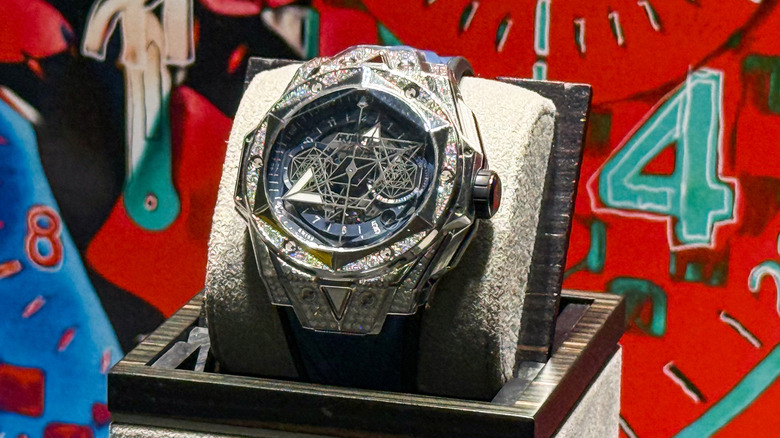
Hublot was founded in 1980 by Carlo Crocco, so it's basically the youngest brand in this collection. That newness is shown by the fact that the brand pioneered combining gold with a rubber strap, which was genuinely bold. Nobody was doing that. Since then, Hublot's entire identity has been built on fusing materials that traditionally shouldn't go together. Magic Gold, colored sapphire crystals, proprietary alloys like Hublonium — the technical ambition here is real. The Big Bang collection hit the scene in 2005 and flipped the script on luxury sports watches. That's something you can't ignore.
However, most Hublot models retain only 40%-60% of their original retail value, according to The Luxury Playbook. Limited editions and rare materials like Magic Gold tend to sell out, but to most collectors, Hublot releases may come across as chasing trends. This is because the brand uses flashy marketing like partnering with Ferrari, hanging out with celebrities, and pumping out new limited releases left and right. The materials break new ground, and the designs really stand out. Still, you get the sense this was made to look good on social media rather than become a classic down the line. When you stack Hublot up against other brands in this price range, like IWC or Breitling, the latter two just carry more weight with collectors.
10. Piaget crafts record-breaking ultra-thin movements
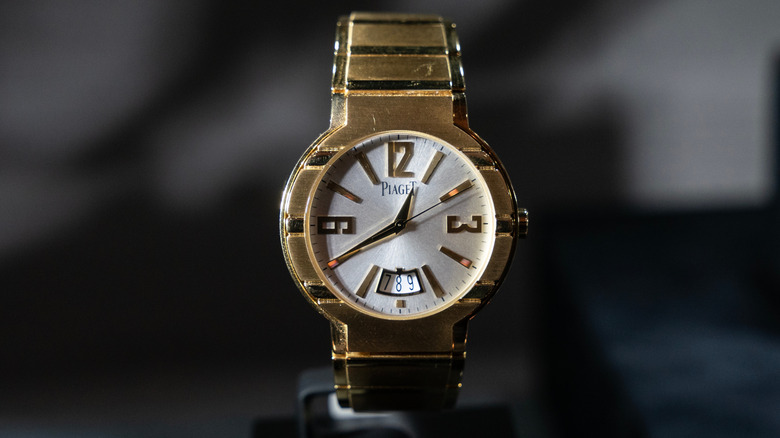
Piaget's claim to fame is a legitimately obsessive pursuit of thin. It introduced the 9P movement at just 2mm thick in 1957, then followed with the 12P three years later at 2.3mm. These achievements earned the brand a Guinness World Record. That's actually crazy when you think about it, watching time through an impossibly thin piece of engineering. More recently, the Altiplano Ultimate Concept Tourbillon achieved 2mm while including a full tourbillon complication. The technical mastery is unquestionable.
Where things blur is identity. Piaget tries to be everything at once. There are sports watches. Jewelry watches. High complications. Entry-level pieces. The brand blends fine watchmaking with high jewelry, which sounds great until you realize it means nothing feels purely one thing. Piaget watches do hold respectable resale value with proper documentation, and Sotheby's regularly moves collectible pieces at auction, but it's not the investment class that the likes of Rolex represent. Models like the Altiplano and Polo are sought after, though finding true collector consensus is harder than with heritage brands that don't straddle two worlds.
9. Grand Seiko perfects Spring Drive hybrid accuracy
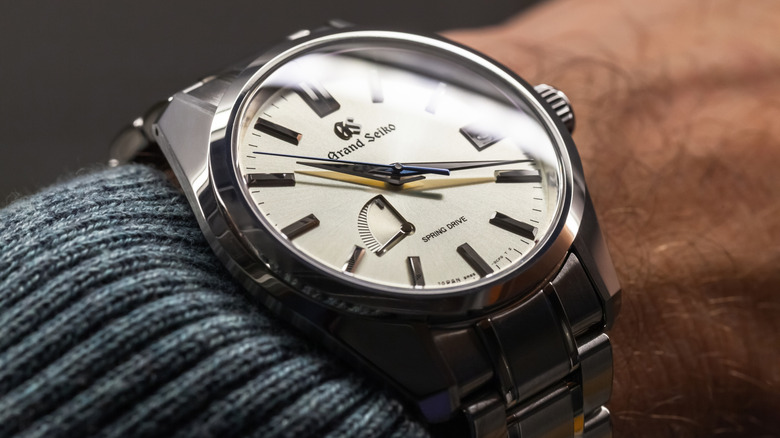
In 1960, parent company Seiko's best engineers were tasked with one thing: Build a watch that could compete with Swiss precision while embodying Japanese discipline. This marked the birth of the Grand Seiko brand. The original Caliber 3180 movement set standards that actually surpassed the Geneva Chronometer standard, which was wild for a brand most people hadn't heard of outside Japan. Spring Drive, the movement that powers modern Grand Seiko timepieces, arrived in 2004 and remains one of watchmaking's most peculiar innovations. It's mechanical, powered by a mainspring, yet regulated by quartz oscillators. No battery. Just pure engineering that sounds like fiction until you wear one.
Grand Seiko doesn't hold resale value particularly well. Most standard models depreciate 5-20% after purchase, which is actually in line with other luxury watches, though nowhere near Rolex territory. Limited editions and discontinued pieces always get more attention, but that's just how it goes across most luxury brands.
The thing with Grand Seiko is, it just doesn't have that kind of built-in legacy or cultural pull that gets collectors chasing after it as they do with some of the old-school names. Seiko's history runs deep, but Grand Seiko is still the new kid in the luxury world. That makes a difference. The precision and finishing rival anything from Switzerland, genuinely. Collectors just haven't built the same appetite for it yet that they have for Rolex or Patek Philippe, primarily because Grand Seiko's story spans decades, not centuries.
8. Breitling makes pilot chronographs built for real flight
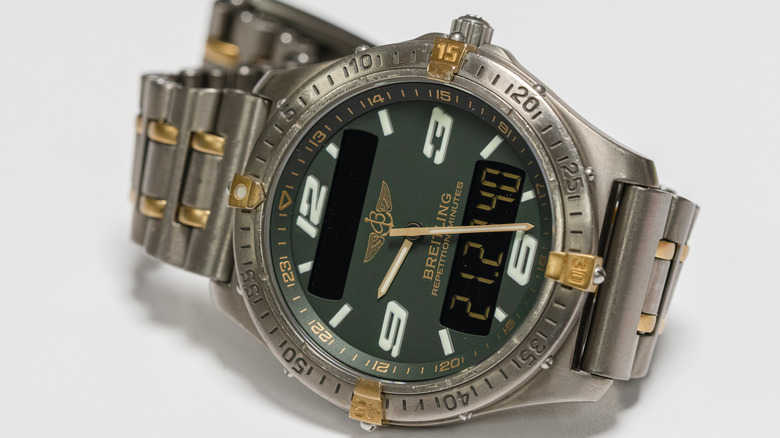
Breitling was founded in 1884 by Léon Breitling. He built watches for industry and science. Aviation came later, but once it did, everything clicked. In the 1950s, the Navitimer launched with a rotating bezel that pilots could use to do calculations without pen and paper. That's actually genius. The Royal Air Force trusted Breitling chronographs during WWII, which has boosted the brand's reputation to date.
Breitling makes genuinely sophisticated chronographs with tool watch DNA. Most models decrease by 10-40% of their retail value. Vintage Navitimer and Co-Pilot pieces command premiums, proving collectors have an eye out for them. Yet Breitling sits in an awkward middle ground. Serious enough for professionals. Collectible enough for enthusiasts. Not quite reaching the mythic status of Rolex or Audemars Piguet. Production runs are moderate, the heritage is genuine, yet something holds it back from breaking into that top tier. Maybe it's the "tool watch" label itself. It's a badge of honor that also feels limiting.
7. IWC Schaffhausen engineers tool watches with brains
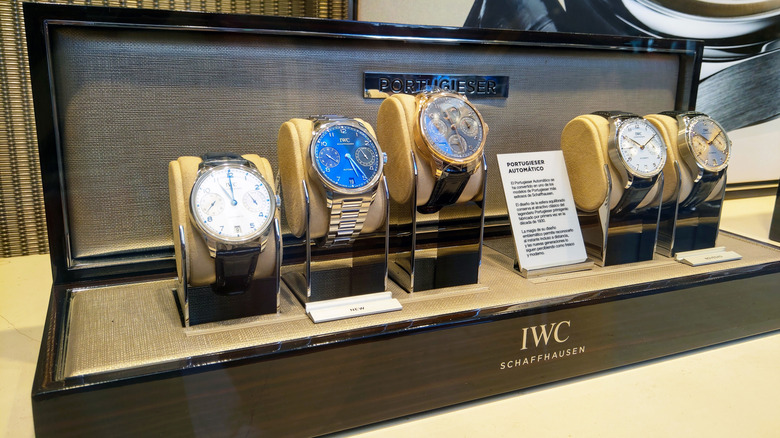
IWC started in 1868 when an American named Florentine Ariosto Jones decided to build luxury watches in Switzerland. The idea was to blend American manufacturing precision with Swiss craftsmanship. IWC didn't just copy what everyone else was doing — it developed its own philosophy around legible, functional instruments. The Pilot's watches, Portugieser collection, and complications like Kurt Klaus's Da Vinci Perpetual Calendar prove the brand thinks about problems most people never discuss.
The real problem with IWC is marketing, or the lack of it. It makes timepieces arguably as good as those of Rolex and Patek Philippe, but the latter dominate conversations. Pre-owned IWC watches retain value better than many competitors. Some models show genuine investment potential, and the brand's new Curated program for restored vintage watches adds 15-25% premiums over unrestored pieces. This is evidence of considerable demand among collectors. Historically significant pieces and limited editions appreciate in value. The issue isn't craftsmanship or collector potential. It's that IWC lacks the cultural ubiquity or generational mythology that makes higher-ranked brands feel essential.
6. Omega delivers moon tested chronograph reliability
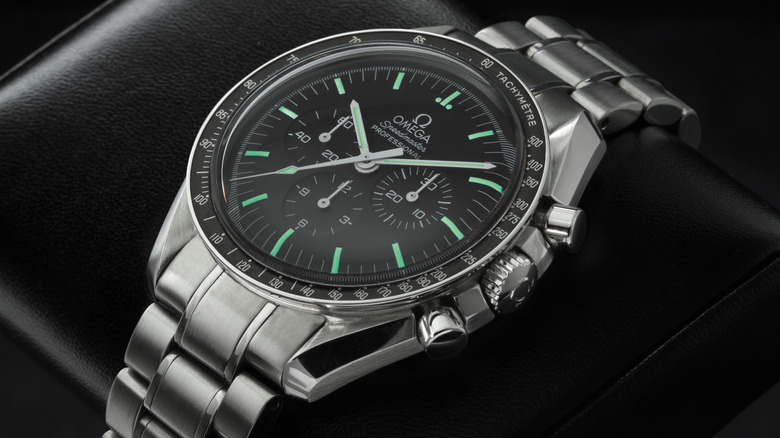
Omega started in 1848 when Louis Brandt began handcrafting watches in the Swiss village of La Chaux-de-Fonds. His sons renamed the entire company after one movement. That movement was that good. Neil Armstrong rocked the Omega Speedmaster when he landed on the moon during the Apollo 11 mission in 1969. During the Apollo 13 Crisis, the Speedmaster timed the critical burns that brought the crew home alive. No marketing department could write a better story, given that actual human lives were at stake. Besides being a moonwatch, Omega's been timing the Olympics since 1932, and James Bond has worn one in every film since Pierce Brosnan.
The brand pulls off something most competitors can't: Mainstream recognition paired with legitimate mechanical credibility. The Seamaster Diver 300M features a conical helium escape valve at 10 o'clock, designed so helium molecules released during decompression won't damage the crystal. The Aqua Terra uses Co-Axial calibers, including the 8938 with a 60-hour power reserve, which is certified as a Master Chronometer. Most Omega models hold 40-60% of retail value, with vintage Speedmasters and Seamasters appreciating significantly. Limited editions like the James Bond Seamaster command premiums immediately. A Speedmaster Professional is effectively a tool that happens to hold value. Collectors know the difference between marketing and merit. Omega delivers both.
5. Vacheron Constantin masters grand complications quietly
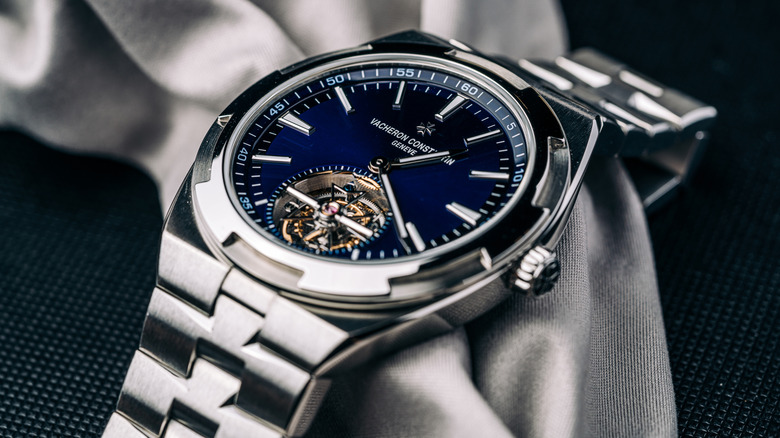
Vacheron Constantin has been making intricate and beautifully finished watches for well over two centuries now. Founded in 1755, Vacheron Constantin ranks among Switzerland's oldest continuous watchmakers. You won't find flashy ads or bold campaigns. Behind the scenes, its work is exceptional. Many don't realize how remarkable this brand truly is. It stands alongside Audemars Piguet and Patek Philippe in the Holy Trinity of timepieces — a term that originated among collectors recognizing these three Swiss brands as the absolute pinnacle of fine watchmaking.
The brand's philosophy is "do better if possible, and that is always possible," a motto that drives everything it produces. Every movement receives the Geneva Seal, the highest independent certification available, requiring adherence to 12 different requirements, including polished pivot shanks and chamfered screw rims. Production is usually under 20,000 watches annually for exclusivity. Models like the Overseas actually appreciate 4-6% annually, retaining 100-110% of retail value. Limited editions deliver even stronger returns — the discontinued Overseas Dual Time Everest, with only 150 pieces made, commands premiums on secondary markets. Collectors who discover VC stay devoted. The brand refuses to chase trends or flood markets. That restraint defines its pricing power.
4. A. Lange & Söhne hand finishes German complications
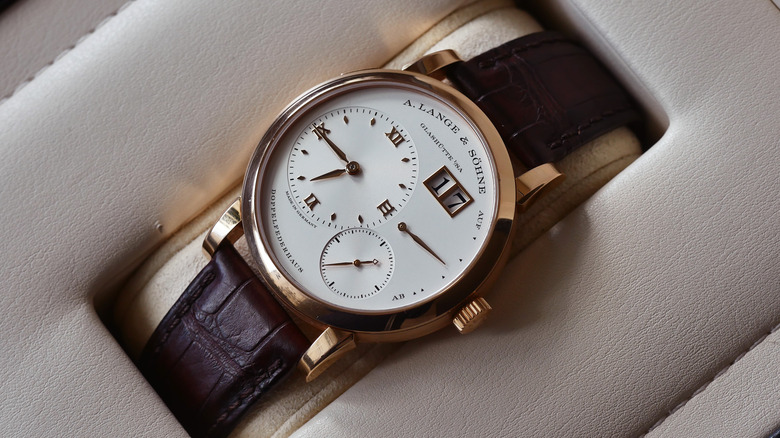
A. Lange & Söhne was founded in 1845 in Glashütte, Germany, by Ferdinand Adolph Lange. World War II destroyed the factory. The Soviet occupation nationalized it in 1948. For forty years, A. Lange & Söhne disappeared. In 1990, after the Berlin Wall fell, Ferdinand's great-grandson Walter Lange walked back into the ruins and rebuilt it from nothing. His first collection in 1994, led by the Lange 1, redefined what finishing and design could be.
Every movement gets 11 distinct hand-finishing techniques, even parts nobody ever sees. The Lange 1 features an asymmetric dial arranged using mathematical golden ratio principles, with an outsized date display and 72-hour power reserve. Each movement uses untreated German silver for the three-quarter mainplate, decorated with Glashütte stripes, hand-engraved balance cocks, and screwed gold chatons. The brand employs an exclusive double-assembly process, using fresh screws during final assembly to ensure zero visible imperfections on blued screw heads visible through sapphire casebacks. The Datograph combines a flyback chronograph with a perpetual calendar and tourbillon, totaling 684 components.
Production stays under 6,000 pieces annually. Models like the Datograph and Lange 1 Moon Phase outperform retail on secondary markets. Limited editions break auction records. German watchmaking discipline combined with extreme scarcity equals a brand that appeals to people who actually understand mechanical complexity. No shortcuts. No trends. Just relentless precision.
3. Audemars Piguet innovates through Royal Oak mechanics
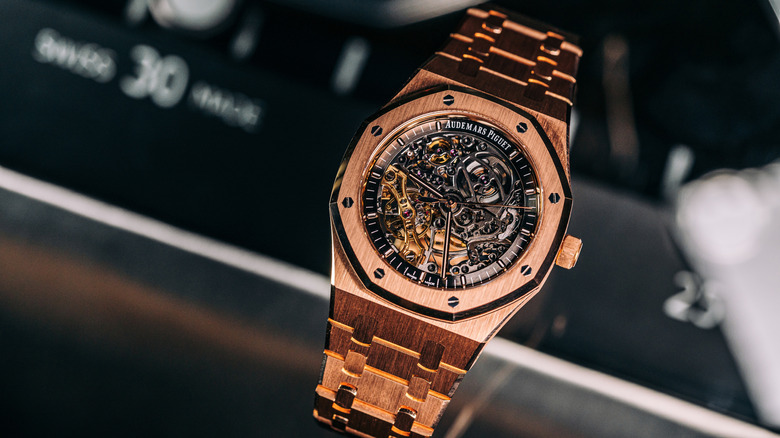
Audemars Piguet faced what the industry called the Quartz Crisis in the early 1970s. Japanese brands pumped out accurate quartz watches with buttons while Swiss mechanical makers watched their markets collapse. Around 1,000 Swiss watchmakers closed. Piguet's managing director, Georges Golay, did something desperate. He asked designer Gérald Genta to sketch a revolutionary luxury sports watch in stainless steel by the next morning. Nobody had done steel luxury before. Steel meant working-class tools, not prestige.
Genta sketched the Royal Oak overnight, an octagonal bezel inspired by a diving helmet, an integrated bracelet, and visible screws everywhere. It looked nothing like traditional luxury watches. By 1975, AP had sold 2,000 A-Series pieces when it only produced 5,000 watches annually. The watch didn't flop (contrary to the myth). It saved the company. The luxury watch brand grew production from 9,500 pieces in 1974 to 11,000 by 1984 as major competitors went under. Today, it produces around 40,000 watches annually, yet the Royal Oak remains harder to buy than houses in some cities. Secondary-market data shows Audemars Piguet captures 5% of global luxury watch transactions — proof collectors desperately want them.
2. Rolex refines movements slowly but relentlessly
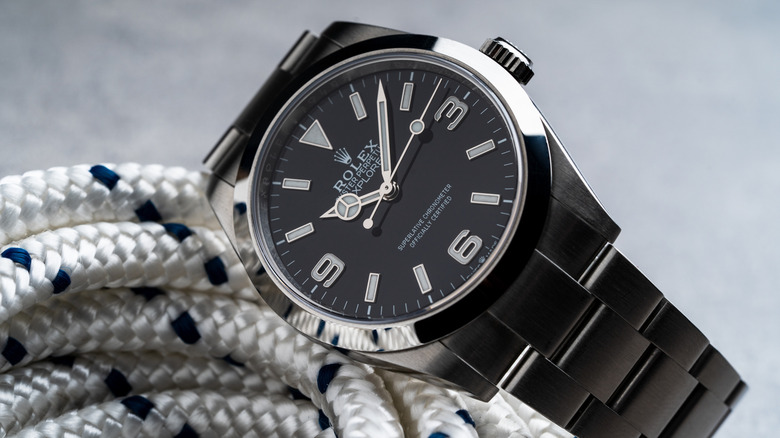
Hans Wilsdorf founded Rolex in 1905 in London, not Switzerland, like many people tend to think. Wilsdorf's goal was to make reliable wristwatches rather than fancy dress watches. In 1926, he patented the Oyster case, making it the first waterproof wristwatch ever made. In 1927, Rolex gifted an Oyster to swimmer Mercedes Gleitze for her English Channel attempt. After 10-plus hours in freezing water, the watch was still able to show perfect time. Wilsdorf capitalized on this feat and took out a full-page ad in the Daily Mail. Genius marketing, yeah, but it was true.
In 1931, Rolex perfected the Perpetual rotor — a self-winding system that worked 360 degrees in either direction. Every automatic watch made today uses this basic system. Rolex dominates secondary markets with 32% of all luxury watch transactions globally. The next seven brands combined account for less. Since 2010, second-hand Rolex prices have shot up by 550%. They jumped from about $2,000 to $13,426 by 2025. Collectors buy Rolex because it holds value and works. That combination is actually rare in luxury.
1. Patek Philippe sets the standard for complex watchmaking
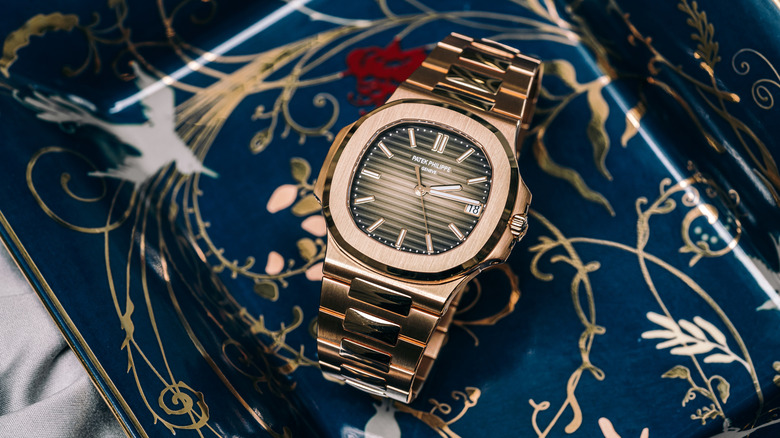
Patek Philippe was born in 1839 when two watchmakers, Antoine Norbert de Patek and Jean Adrien Philippe, decided to make watches on their own terms. The Stern family saved them in 1932 and deliberately kept the company independent even as every other Swiss watchmaker sold out to corporations. These days, Patek Philippe stands alone as the last real family-run watchmaker in the world of haute horlogerie. There's something almost poetic about that kind of independence. In real life, it just means they don't cut corners.
In 1925, banker Henry Graves Jr. asked Patek Philippe to build the most complicated watch they could manage. It took years of design and construction, and by 1935, it delivered the Henry Graves Supercomplication. The pocket watch came with 24 complications, including a detailed map of New York's night sky, a perpetual calendar, and Westminster-style chimes. Decades later, the Supercomplication started breaking records at auction, selling for about $24.4 million in 2014 and beating its 1999 record.
Patek Philippe watches are pricey. Just look at the steel Ref. 1518 from 1943 — it sold for $17.6 million in November 2025, smashing the record for vintage wristwatches. Patek keeps production tight, around 60,000 watches a year, and if you want one of its hottest models, get comfortable. The wait can stretch over eight years. You've probably heard that old line about owning a Patek for the next generation. At first, it sounds like marketing, but with auction prices like these, it just rings true.
How we selected these brands
We evaluated five core metrics before selecting the luxury watch brands above. They include heritage depth based on founding dates and continuous operation, technical innovation measuring mechanical breakthroughs and complications, production discipline assessing exclusivity and scarcity, secondary market dominance tracking value retention on pre-owned sales, and collector appeal measuring demand intensity. Expert reviews from the likes of Hiconsumption and Bobswatches helped in sealing the final verdict.