

5 Things You Should Never Track With An Apple AirTag
We may receive a commission on purchases made from links.
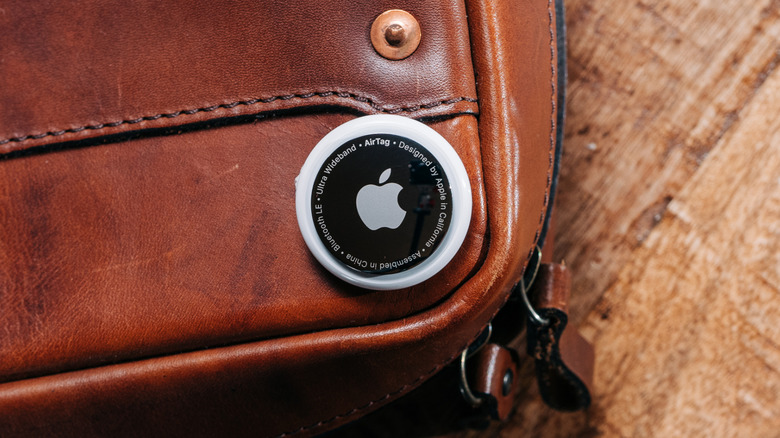
Apple AirTags are great for preventing the loss of personal and important items. Only 1.26 inches in diameter, the small size makes them a perfect accessory for virtually any item you want to keep an eye on. However, handy as AirTags may be, there are several things you should never track with this device, and plenty of valid reasons as to why. For example, you should never use an Apple AirTag on the family pet, another person, a vehicle, packages, and anything exposed to extreme weather conditions.
The reasons behind this are a combination of hardware limitations, certain laws and regulations, and ethical considerations. Simply understanding the functionality and features of these little devices, like how long an Apple AirTag battery actually lasts, is going to give you a better handle on when and where you should use them. As for ethics and safety, Apple includes several AirTag features designed to help protect individuals in certain situations. So while an AirTag can be useful for some items, be careful with slapping them on just anything.
Pets

Using an AirTag to track a pet may seem like a good idea, but for one thing, Apple explicitly stated that AirTags are not designed to track pets. For another, AirTags simply don't have the required tools, like GPS, to help locate lost dogs and cats. Instead, an AirTag relies on Bluetooth to send a signal to any device that is using Apple's Find My network.
This means the animal will need to be within Bluetooth range (about 30 feet) of a compatible device to get an accurate location. That may work for highly-populated areas, but can be problematic in more rural areas. There's also the issue of animals chewing on or swallowing the AirTag, which can cause other problems. Instead, consider a device specifically design to track pets.
While you may need to do your own research on what works best, one item worth checking out is the Tractive Smart Dog GPS Tracker, which lists for $69. It's a best-seller on Amazon, where it has a 4.2-star rating with over 2,400 reviews. While it does require a subscription, users love the easy setup and excellent battery life.
People

There are obvious ethical concerns associated with tracking people without their consent. Fortunately, Apple has been taking steps to stop AirTag stalking since at least 2022 with Precision Finding, which helps locate an unknown AirTag when an unwanted tracking alert is received. Additionally, an AirTag separated from its owner for a period of time will emit an audible alert — making this a poor choice even when well-intentioned — and any device with Near Field Communication technology can be used to determine the AirTag's status.
Apple also has a Tracker Detect app in the Google Play Store so Android users can track unwanted AirTags. A good alternative would be location sharing within the Find My app, though the individual to track will need an iPhone. Just open the Find My app, tap People in the bottom-left corner, then tap the Plus button, and select Share My Location. You can then choose from the list who to share your location with along with options for length of time.
Vehicles
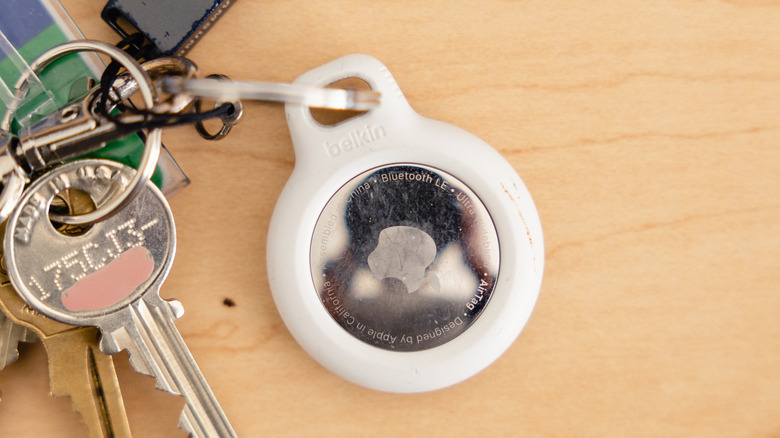
AirTags are useful for keeping track of a set of car keys or where you parked that car in a big, crowded lot, but not necessarily tracking the vehicle in general. As with the best-avoided scenario of tracking people with an AirTag, if someone were to steal your car, it's likely they'd hear the AirTag beeping sound at some point. Plus, if they have an iPhone, it would be relatively easy to locate.
There's also the issue that AirTags need an Apple device to ping their location, reinforcing this as a poor choice. Even though Colorado police gave out free AirTags to fight car thefts, don't expect them to be a 100% fail-safe against a stolen vehicle. It may provide some benefit, but you're likely better off with a dedicated vehicle security system. And it should go without saying that you should never track someone else's car with an AirTag.
Items exposed to extreme weather
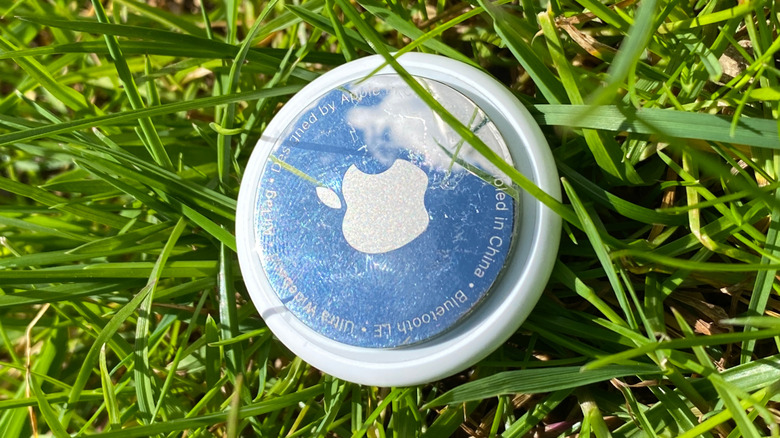
A broken AirTag, or one with a dead battery, isn't going to help you locate anything. Be aware that the AirTag contains a lithium 3V coin battery, which is not designed to withstand harsh weather conditions. So while it may sound like a great idea to attach an AirTag to your bike or snowblower, you need to consider how these items are stored. Very hot or cold temperatures can significantly impact the life of a coin battery, and extreme cold can even crack the battery case.
Something else to remember is that AirTags are water-resistant, not waterproof. Though AirTags have an IP67 rating, meaning it can handle being submerged in up to 3.3-feet of water for up to 30 minutes, it's not something that you're going to want to constantly put to the test. This resistance can also weaken over time, depending on how the AirTag is handled and maintained.
Also consider that extreme weather may keep people inside, causing issues with the Find My network required to track the AirTag's location. This doesn't mean you should never use an AirTag for outdoor items, but it does mean you should factor in any potential for harsh weather conditions.
Packages

Dropping an AirTag into an expensive item being shipped — to keep track of it — may sound like a good idea, but it's unlikely to deliver the results you want. Just like trying to track a pet or a vehicle, the lack of GPS in an AirTag means that it will need to rely on other users with compatible devices to ping the location. Once the package begins traveling, you're gambling on whether or not the people responsible for shipping it will meet this criteria.
It's also worth noting that if you plan on shipping internationally, using an AirTag may violate data privacy laws in the destination country. Finally, there's the problem of AirTags emitting a sound whenever they leave the user for an extended period of time. This has the potential to alert thieves that your package may contain something valuable. Instead, consider going with a third-party tracking service that specializes in this field. That said, these small Apple devices can still be useful for luggage given the ability to share a lost AirTag location with an airline.