

Scientists Discovered A Connection Between Tinnitus And Sleep
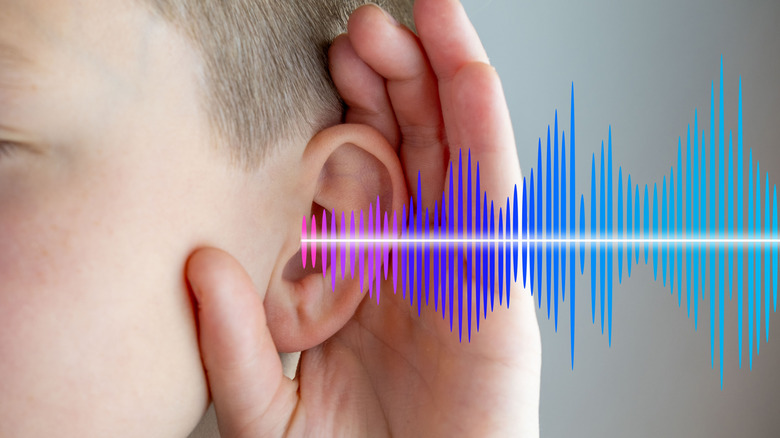
In 2022, neuroscientists at the University of Oxford published a study in Brain Communications that links tinnitus and sleep. They found that slow-wave activity in deep sleep might suppress the brain circuits that produce tinnitus. Tinnitus is a surprisingly common problem. Worldwide, around 14% of adults report experiencing it at some point. Most people hear a phantom ringing, buzzing, hissing, or clicking sound that's not really there. But it typically lasts for a day or two. Tinnitus can be mild and occasional, or it can be persistent and deeply distressing. However, tinnitus is not really a disease. It's a perceptual phenomenon without a known cause, although many hypotheses about its source exist.
A large survey across 12 EU countries discovered that nearly 1 in 7 adults suffer from tinnitus. But only 2% of the world population experiences a severe form that affects their daily lives. Despite it being so widespread, there's currently no cure for tinnitus, but there's multidisciplinary treatment that can help alleviate the stresses caused by the phantom sound. Doctors often see it as a symptom of other problems, and it's never addressed as a standalone condition. Although there's no cure just yet, there is hope.
Tinnitus and sleep connection

In the 2022 study, scientists discovered a deeper layer of the tinnitus puzzle. Their study showed that this strange, persistent phantom sound may be linked to the way our brain behaves during sleep. Tinnitus doesn't simply go away at night, when people sleep. It seems that the phantom sound actually interacts with the brain rhythms that help us get rest. Unfortunately, tinnitus disturbs these sleep patterns. That's why many people who suffer from tinnitus report bad sleep or even a lack of it. The Oxford study revealed that the rolling waves of deep sleep calm the hyperactive neural circuits behind tinnitus. This means that tinnitus might not only affect how we sleep, sleep can affect how intense tinnitus feels.
Other studies support the findings of the Oxford neuroscientists. It seems that people who experience different loudnesses of tinnitus after sleep actually show differences in their sleep patterns. Another case-report study revealed that a person with tinnitus experienced louder noise a day after a lighter sleep. But after a long and deep sleep, their tinnitus proved to be much softer.
The connection between sleep and tinnitus suggests two things. First, tinnitus is not just a comorbid symptom of another disease (although it could be), but much more, because it affects the brain dynamics. Second, understanding the relationship between sleep and tinnitus could open doors to new treatments. If slow-wave deep sleep suppresses tinnitus activity, medicine could boost or protect this type of sleep pattern.
The possibility of sleep treatment
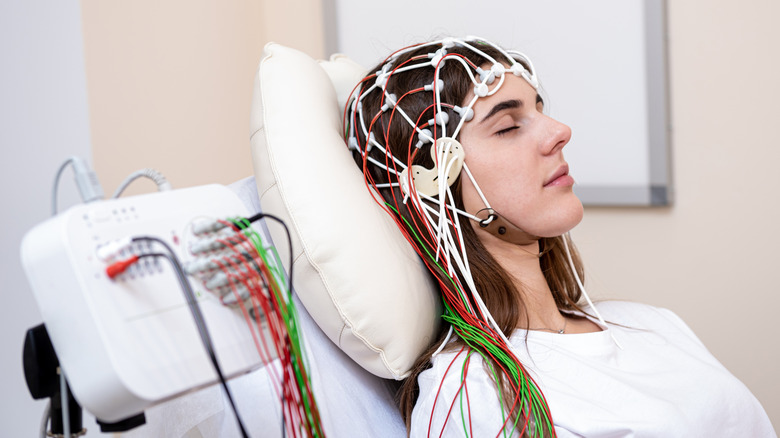
If deep sleep proves to help patients cope with tinnitus, it could become the most powerful tool we have to fight this condition. If the brain's slow-wave activity during the non-REM deep-sleep stage can quiet the hyperactive circuits in the brain, the phantom sounds of tinnitus might simply go away in time. That said, we still don't know what causes tinnitus. It can follow hearing loss, noise-related injury, drugs, or a common cold. Even the coronavirus caused ringing in the ears and hearing loss in some patients. In many cases, no single root of tinnitus can be found. Because of this, the current medical care for tinnitus patients focuses on reducing the sound, and not treating its source. That's why doctors treat tinnitus more as a symptom than a single disease.
If deep sleep can truly suppress tinnitus, we have gained a new ally in the fight against this debilitating condition. A treatment that boosts deep sleep could be devised. This might include improved sleep hygiene, acoustic stimulation, or drugs that enhance deep sleep. Perhaps this University of Oxford study will lead to a new strategy in fighting this condition. Improving your sleep might even permanently reduce the phantom sounds. However, more research is needed.
Strong, chronic tinnitus causes real harm to the everyday life of an individual. It may lead to troubles concentrating, lost work days, social withdrawal, and depression. There may even be a link between tinnitus and suicide attempts. Constant noise and lack of sleep can lead to increased stress and deep depression, but new studies are needed in order to track sleep, brain activity, and daily function. Deep sleep remains a promising lead, but it's not a cure yet.