

Is Nuclear Power 100% Clean? Here's What You Should Know
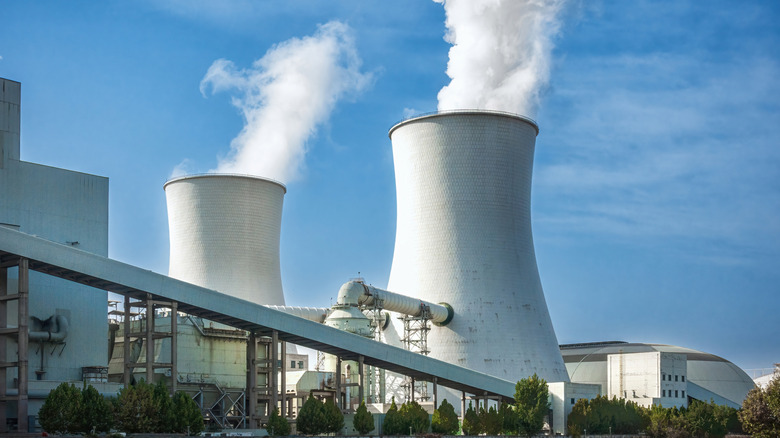
Nuclear energy is often regarded as the cleanest power source on Earth. Unlike coal or gas, nuclear power plants don't release smoke and other contaminants into the air. They produce massive amounts of electricity with no direct pollution and a surprisingly small physical footprint. For a world struggling with climate change and rising energy demand, it seems nuclear power is an ideal solution. However, the truth is more complex. Although nuclear energy is extremely low in greenhouse gas emissions while it's producing power, there's no energy source on Earth that is completely free from leaving an environmental impact of some kind.
From uranium mining to plant site construction and storing the radioactive waste, the life-cycle of a nuclear power plant is complex, and each stage has different environmental consequences. Let's explore both sides of the story. Through understanding how nuclear power plants work, we can gain more insight into why it is considered a clean energy source even though it can't be labeled as 100% clean.
How clean is nuclear power?
While many believe nuclear power is one of the cleanest large-scale energy sources, it remains a subject of debate. Many think nuclear reactors are clean because they don't produce any air pollution during their operation. Next-gen nuclear reactors may even use molten salt as an alternative coolant, so they'll be even cleaner to operate. No smoke comes out of nuclear power plants, and no carbon dioxide, nitrogen oxides, or sulfur dioxide is released into the environment while electricity is being made.
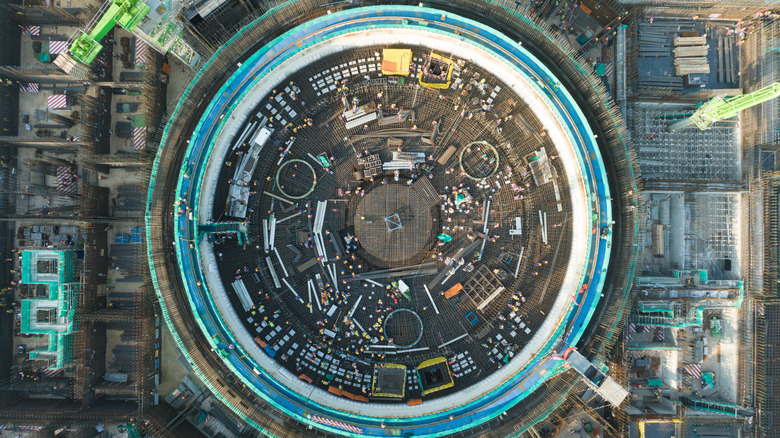
However, in a way, they do operate similarly to fossil fuel power plants. Heat turns water into steam, and the steam turns turbines connected to a generator. That said, nuclear power plants produce heat not by burning fuel, but by splitting atoms in a process called nuclear fission. Inside the nuclear reactor, fuel rods made from uranium release heat when atoms split apart. Thus, the heat comes from controlled reactions inside the reactor core. The thick steel and concrete structure around it contains the radiation, so the process of nuclear fission remains stable and safe.
Still, mines are needed to extract uranium, and the construction of nuclear power plants uses tremendous amounts of steel and concrete, and their production is a huge source of carbon. Finally, nuclear waste needs to be safely transported and stored. All of these steps create emissions. Nuclear power is almost 100% clean when we consider electricity production, but if we take into consideration the whole life-cycle of a nuclear power plant, we get to a very different conclusion. Even so, its overall carbon impact remains considerably lower when compared to conventional fossil fuels.
The downsides of nuclear power plants
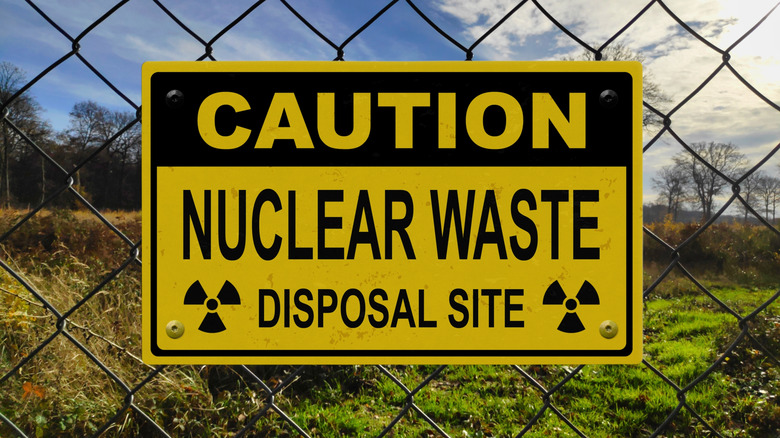
The main concern with nuclear energy is what happens after the fuel is used. Unfortunately, radiation is not spent during the nuclear fission process. The waste that is generated by fission remains radioactive for tens to hundreds of thousands of years. It must be carefully isolated from people and the environment. Unlike other waste, it can't simply be buried in ordinary landfills. It needs to be stored in secure pools at the site of the power plant, and later moved to dry steel and concrete containers. The entire system for storing nuclear waste is designed to withstand natural disasters such as floods, earthquakes, or fire. Unfortunately, long-term storage sites are difficult to build. Very few countries are prepared to invest in long-term waste disposal solutions as nuclear power remains a politically sensitive topic.
Today, there are different recycling and reprocessing technologies that help manage radioactive waste. There are even attempts to create batteries from nuclear waste. Transporting nuclear waste also poses an immense safety risk and public concern. So, even though nuclear power is clean while it's producing the electricity, there are challenges that make this type of energy difficult to manage.
Nuclear accidents from the past continue to shape public perception of nuclear power plants. As a result, some countries are slower to adopt them. Nonetheless, nuclear technology is being made safer and cleaner than ever before and environmental disasters like Chernobyl are regarded as very unlikely.