

The Reason Why Projectors Are So Cheap Now
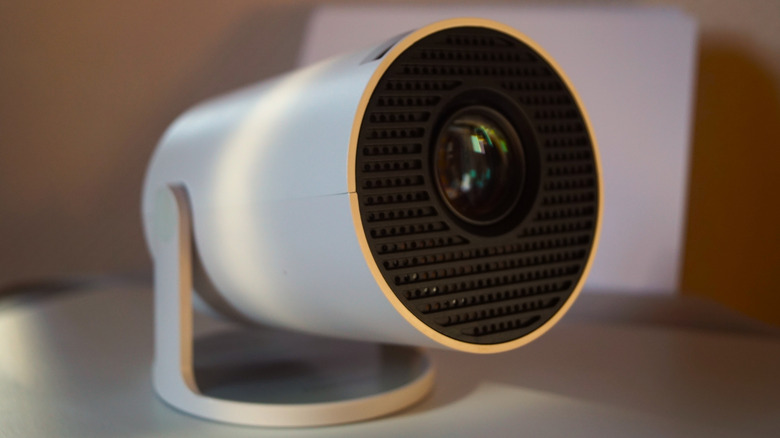
In the last few years, low-priced projectors have flooded online stores and marketplaces. What seems like a great deal on the surface is actually the result of deliberate business strategies that let companies sell their products far below what well-established brands charge. These budget brands lean into mass manufacturing and low-cost components to make a profit on volume rather than performance. At the same time, they often sacrifice key features and honest specifications to keep the prices eye-catching. Buyers think they're getting high performance for low cost, only to later discover that the projector's brightness, image quality, durability, and functionality barely hold up under real use. If you love a crisp-looking image, it's better to stick to reputable options like the XGIMI projector models to avoid some of these issues.
Let's unpack how today's budget projector economy works and why it's profitable for some companies to cut corners. Some sellers even push the limits of truth in advertising, and risk lawsuits over false brightness claims that don't come close to reality. All this affects the broad market of projectors, and for buyers, it's important to understand what they get when they buy a cheap projector.
The business strategy

Until recently, projectors were seen as niche and expensive gear that catered to a very specific group of people. But now, they have become a mass-produced tech available to everyone. Part of it is the incredibly low price at which they're being sold, and suddenly everyone can afford them. So what really drove the projector prices down? Low-cost projectors are often made in large contract factories, particularly in China. These factories specialize in producing electronics on an enormous scale. They assemble thousands of units every week, using automated processes and low labor costs. This allows manufacturers to price their products low and still make a profit.
But that's not the only reason. In recent years, the overall cost of the technology has declined. Display chips, lenses, LEDs, and other components have become cheaper to produce. They're also being mass-produced and widely available. The budget projector brands now have access to parts that weren't available at such low prices just a few years ago. The price of the parts is reflected in the price of the final product. Similarly, expensive projector brands use higher-priced hardware, which drives their projector prices up.
That said, there's more to selling cheap than just production cost. These cheap projector brands follow a strict business strategy of selling quantity rather than quality. They rely on retailers like Amazon and eBay to reach the audience, and it's of great help that there's a huge demand for large-screen entertainment today. People want to experience big movie nights in their homes, to game on giant screens, and stream their favorite shows on the wall. The rise of streaming services made people switch from TVs to smart projectors. Budget projector brands tapped into this desire by offering prices that seem too good to be passed.
The truth behind the lumens
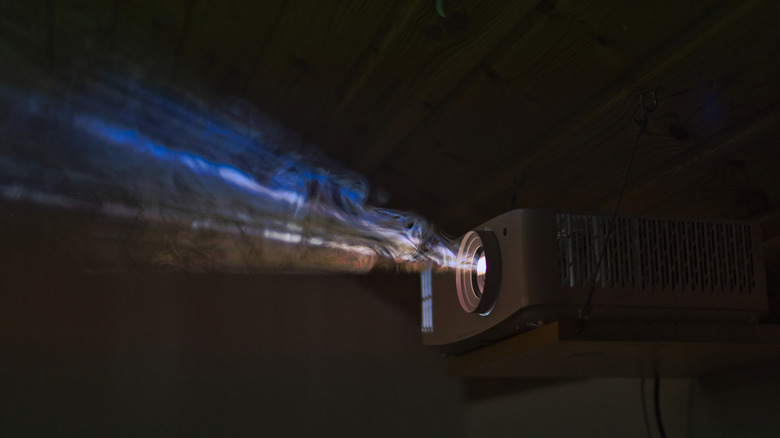
To hit low prices for their projectors, corners have to be cut somewhere. One of the biggest areas where this can be seen is in brightness. While more reputable brands use standardized measurements like ANSI or ISO lumens to show how bright the image truly is, cheap units list "Lux", "LED lumens", or simply vague brightness numbers that look high but don't reflect the real performance. Using LEDs instead of lasers and native 4K technology means that cheap projectors produce dim images that you might struggle to see even in lit rooms.
Because of the misleading spec claims, major projector maker Epson has taken legal action against some of the cheap projector sellers. The Chinese brand AuKing already had to pay over $500,000 after falsely claiming 9,500 lumens. Independent testing proved their projector was capable of producing under 1% of the output they claimed. Some better-known brands like XGIMI and Dangbei agreed to lower their published lumens after being challenged by Epson.
Besides brightness, cheap projectors often fall short in durability, color accuracy, contrast, and sound quality. They often use simple lenses and basic light engines that can't produce wide color gamuts or contrast ratios. The use of cheap plastic and minimal cooling can lead to overheating and a shorter lifespan. Built-in speakers are typically weak, and buyers are forced to invest in external sound systems.
Although some cheap units come with exaggerated numbers and limited performance, they do have advantages. Besides the low price, they're portable, easy to use, and versatile. You can still have fun watching your favorite shows or playing games on the big screen. There are some great budget-friendly portable projectors out there. You just need to do a bit of digging to avoid the dubious ones.