

The Reasons Why Cheap Headphones Sound Worse
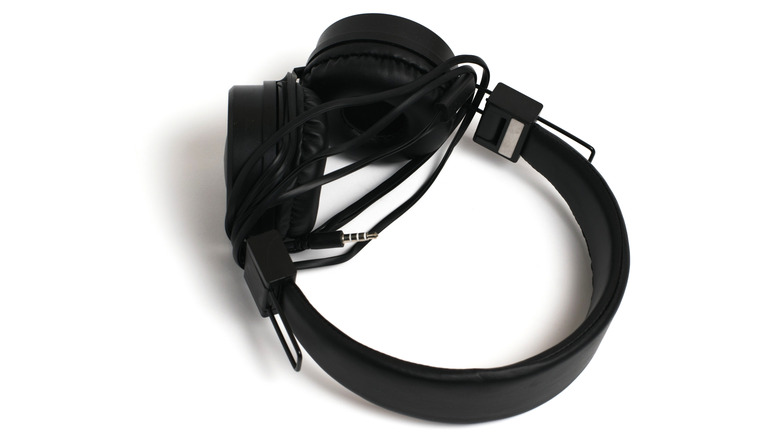
The quality difference between cheap and expensive headphones can be quite dramatic. Budget models often trade sound fidelity and quality for affordability. They tend to opt for the mass-produced parts and broad "fun" tuning rather than careful engineering found in pricey sets. This can mean bass that booms, recessed mids, or brittle highs. Music feels flatter and less detailed than it should. In simple terms, inexpensive sound often comes at the cost of nuance and balance.
Before you dismiss all budget headphones and rush to splurge on flagship gear, it helps to understand why and when these differences matter. Let's dive into the heart of headphone quality and explore what separates an everyday pair from something truly exceptional. You'll learn who benefits from high-end headphones, and why the majority of listeners won't notice the difference. And if cost is a factor, we'll share what the best budget headphones offer that punch well beyond their price tag, providing real performance without wrecking your wallet.
Why do cheap headphones sound worse?

Good audio quality might seem like a work of magic, but it's all about engineering. It's the result of hundreds of design decisions, and cheap headphones make those decisions painfully obvious. When you put on a bargain pair of headphones, you're hearing more than music — you're hearing the compromises behind the price. To meet a price target, manufacturers rely on simpler, less precise drivers — which convert electrical signals into the sound that you hear. These drivers lack the finesse that gives depth to the bass, presence to the vocals, and clarity to the high notes. The result is a sound that feels flat, hollow, and harsh, especially when played loudly.
Then, there's tuning — an art that separates good and fantastic sound. Budget headphones often boost bass or treble for quick impact. However, this over-the-top sound masks details and blurs instruments together. Cheap housings, minimal dampening, and leaky ear pads further reduce clarity – leaving drums overpowering while gentler instruments fall into the background.
Another signature mark of cheaper headphone models is sound distortion, especially noticeable at louder levels. Cheaper transducers and other electronics tend to produce harmonics and intermodulation artifacts, which in turn reduce detail and give the sound a different color than the creators intended. Headphones built for audiophiles spend far more on measuring, tuning, and tolerances, so each pair behaves predictably. That's not the case with the cheaper models. Manufacturers often skip the tuning and measuring steps, and you may end up with two pairs of the same model that sound completely different.
Finding the right headphones

Well-designed, inexpensive headphones exist, and sometimes the expensive ones are overrated. That's why deciding whether to invest in costly headphones or not can be a tricky task. You should think less about the sound quality and more about how and why you listen. For casual users, budget headphones that are often under $50 already deliver sound that feels good enough. They're perfect for everyday listening, like podcasts, phone calls, or playing music while commuting. But if you're an audiophile, music producer, or genuinely value accuracy, detail, and balance, you should opt for the best headphone brands available. They offer greater clarity across frequencies, a wider soundstage, and more controlled bass. The difference is especially appreciated when you commit to long listening sessions.
Still, it's important to acknowledge that most people don't need to spend top dollar. For everyday listening, many modern budget options punch well above their price class. Some of the cheaper models are even famous for good sound quality (Soundcore Life Q20, Phillips SHP9500, or KZ EDX Pro). Some features that were exclusive to the premium brands just a couple of years ago are now becoming available to the budget brands, too. Many inexpensive models now offer balanced sound, good battery life, and acceptable active noise cancellation. Today, smart engineering and tuning can yield surprising results even under $100.
You're not paying for the logo alone, but for the engineering, consistency, and proper testing. Read independent reviews on distortion, frequency response, and isolation to separate marketing from real-life use. And if possible, always test the model you're thinking of buying. Whether it's a cheap or an expensive one becomes meaningless if the audio is simply not to your personal taste.