

Prime Video Is Streaming The Best Conspiracy Thriller Series Of The 2010s
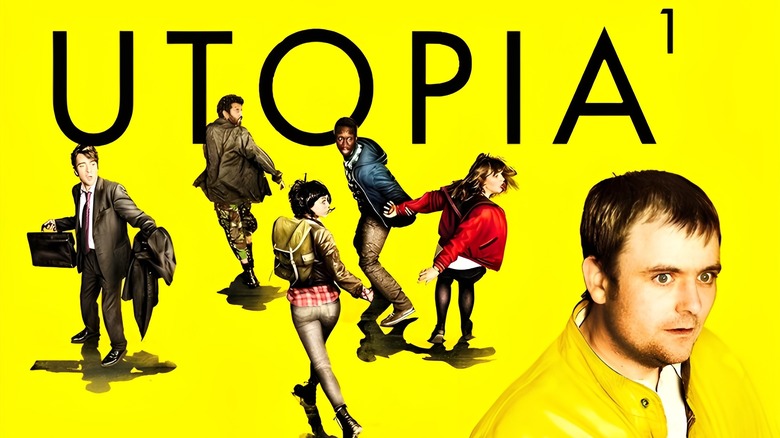
When Utopia premiered on Britain's Channel 4 in 2013, it hit the audience like a fever dream of saturated colors, paranoia, and cinematic bravado. This show is a conspiracy thriller like no other. Instead of the washed-out gray of typical dystopian dramas, "Utopia" uses colors boldly and strengthens it with an unforgettable soundtrack that renders the series' world building unique. The visuals and the auditory cues of Utopia helped the series stand out instantly, both to the critics and the audience.
Unfortunately, the original audience was small. The series was cut short before it could spread into the world. Despite this, "Utopia" gained a flawless 100% critics' rating and over 90% viewer rating on Rotten Tomatoes. This is truly a testament to its inventive storytelling, compelling cast, and unpredictable plot. This show wasn't successful just because it tackled government covert operations, shadowy biotech agendas, and ethical ambiguity. It's because it managed to incorporate a narrative that feels unsettlingly plausible and deeply original.
The blend of stylish visuals, dark themes, and genre-bending narrative helped turn Utopia into a cult series. Yet it remains a criminally underrated series. Those who found this hidden gem embraced it passionately, trading theories, dissecting its aesthetics, and lamenting its premature cancellation.
The Plot
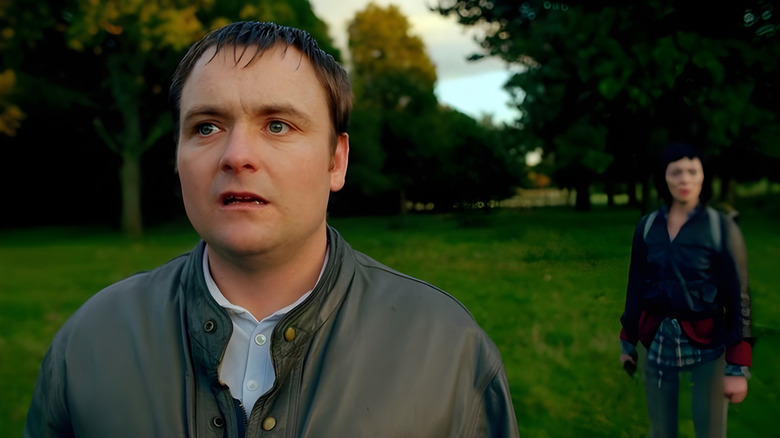
"Utopia" is a wildly original British conspiracy thriller about a rag-tag group of heroes who discovered that the unpublished sequel to their beloved comic book might hold the secret to the world's next catastrophe. Suddenly, all the people in power want these heroes dead. "Utopia" somehow manages to combine the weirdness of an unreal comic book world with real-world political paranoia. The result is an electrifying and gritty comic book show masterpiece worth your time.
The sequel to the cult graphic novel "The Utopia Experiments" seems to bring chaos into the lives of four unlikely friends. Becky, a driven post-grad, Ian, a socially awkward IT guy, Wilson Wilson (not a typo), a conspiracy theorist/survivalist, and Grant, a troubled teenage hacker, meet up to dig into the mystery. Almost immediately, they find themselves hunted, framed, and on the run for their lives.
Hot on their trail is a shadowy global organization known ominously as The Network. They'll stop at nothing to reclaim the manuscript and stop its secrets from spreading. Brutal enforcers, secret agendas, and grisly twists follow at every turn, dragging our heroes deeper into the reality they never hoped to know. And just when all hope seems to be lost, a mysterious woman shows up to flip the mission on its head. Jessica Hyde has her own history with the Network and can help the group of friends understand what's going on and who is behind the world's biggest conspiracy.
Conspiracy realism
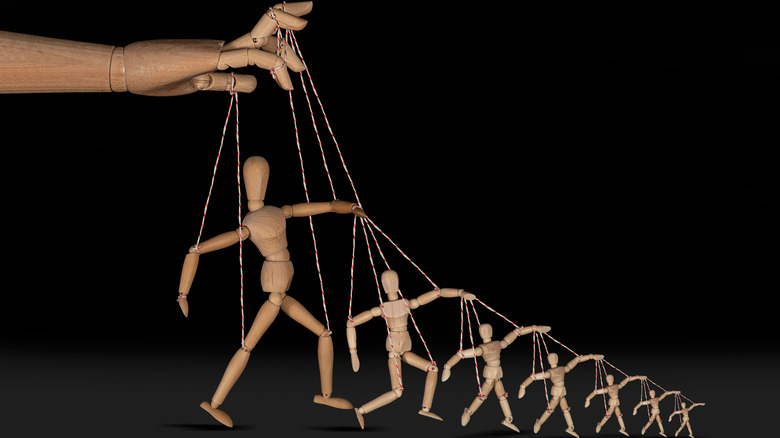
At its core, "Utopia" blends visceral, comic-book surrealism with anxieties that feel grounded in reality. We all heard about secretive elite networks that run the world from behind closed doors, as well as 5G coronavirus conspiracies. Many people refuse to trust the institutions and believe powerful political figures are deciding human fate. That said, "Utopia" is not based on real events, and its plot is entirely fictional. But it works because it taps into real conspiratorial currents of the modern world.
For example, its depiction of The Network, that shadowy organization that manipulates viral outbreaks and public health, mirrors the widespread unease we all felt about pandemic responses, especially after major outbreaks such as Avian Flu or COVID-19. In the second season, this show even uses real historical footage from the 1970s political turmoil to boost its narrative. This helps "Utopia" underscore how fiction and historical anxiety can intertwine and have a great effect on the audience. It's this resonance with the real world that helped "Utopia" gain a cult status among certain groups of people. Viewers don't just watch this series for entertainment. They dissect it and compare it to the events they're familiar with. Online communities praise it for vivid visuals, dense mythology, and sudden shifts in tone. Each episode is treated as a piece of a large puzzle, where an ever-present sense of danger keeps the adrenaline rushing.
"Utopia" was canceled early, after only two seasons, which only contributed to the paranoid energy that was already surrounding the show. Years later, the streaming availability introduced Utopia to new audiences who felt the series was now more relevant than ever. It's no wonder Amazon Prime Video grabbed the opportunity for the American remake. However, this too was canceled early, after just one season that aired in 2020. The original British Utopia remains the definitive version.