

Your Smartwatch Is Probably Selling Your Personal Health Data - Here's How
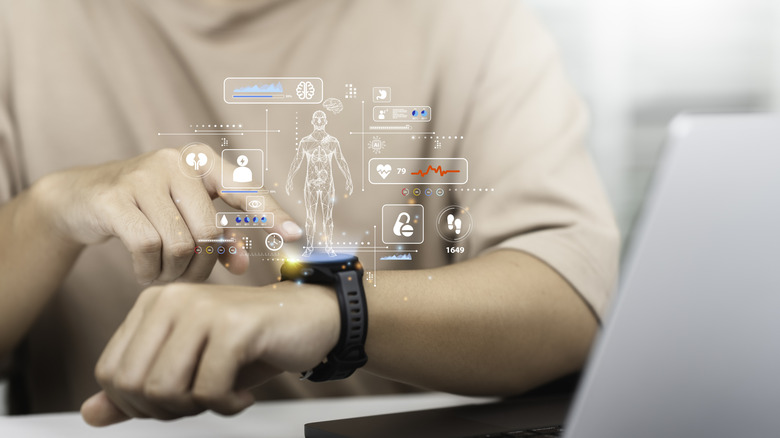
Smart wearable devices like those made by Google and Apple are a great way to track your health and fitness, but they're not without their hazards. These devices contain access to your personal health data, as well as associated factors such as your location, your sleep routine, and when and where you exercise. Though the exact data can vary depending on what settings you have enabled and what you choose to track, the bottom line is that smartwatches do present a security risk to their wearers.
There are a great deal of benefits to wearing smartwatches. The health data they track and provide you can be essential in detecting medical problems early, gauging how your body responds to treatments, and even providing your doctor with daily monitoring information about your health. This technology is relatively new, though, and it's controlled by large companies like Google and Apple, which often sell data to third parties. That said, while your Google searches may not actually be as private as you think, there are a number of laws governing the usage and release of personal health data. So, how much of this information can actually be sold to others?
How your health data might be at risk
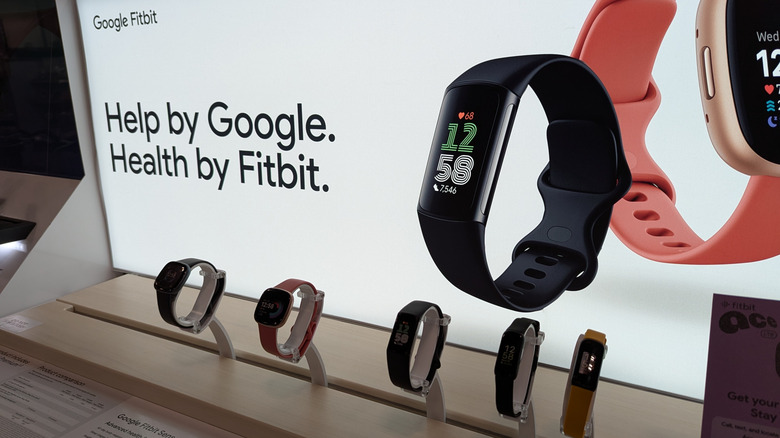
Google's Fitbit privacy policy states that the user is in control of what data gets shared. It suggests using Settings to turn features on and off, adding that you can delete your smartwatch data at will. It also claims that it does not sell this data for advertisements. That's all well and good, except that it also says your health data "is only shared with your consent except for select cases, such as for legal reasons."
This idea of a court system demanding smartwatch data can be frightening. Benjamin Smarr, an associate professor at the University of California San Diego, has been researching how smartwatches can help women track when they become pregnant as well as if they've had a miscarriage based on body temperature. However, there is concern that this same data could be subpoenaed by a court to investigate if a woman has had an abortion in certain states.
While Apple has advocated for protecting health data with its app, its privacy policy also has points of concern. It states that the company does not sell personal health data, but also says that it "may disclose information, including each of the categories of consumer health personal data with Apple-affiliated companies, service providers who act on our behalf, and others as reasonably necessary." This is all to say that third party companies can potentially receive information about your health from your smartwatch.
Specific cases of data sharing from smartwatches
No one wants their data being publicly shared without their consent. And while there are ways to delete your personal info from the internet, in some cases, you may not be aware that you're sharing data at all.
In 2022, Google had to pay almost $400 million as part of a settlement after the company was found to be tracking Fitbit locations even when users had turned off location settings. An earlier incident in 2018 revolved around US military troops sharing workouts their smartwatches tracked on an athletic social networking site known as Strava. Sharing this data also led to the sharing of troop locations and patrol routes while abroad, compromising security measures. In 2025, a study published in the journal Nature found that companies like Apple and Google tend to be vague in the way they report the sharing of user data, and they often fail to sufficiently disclose why such data is chosen to be shared with third parties.
It seems like location data should be the easiest thing to completely hide no matter what device you are using — and yet its use in smartwatches has presented serious issues in the past. While smartwatches may have benefits for your own medical monitoring, there's still a long way to go before users should consider them to be fully secure.