

You Need To Watch Netflix's 2023 Samurai Series With A Near-Perfect Rotten Tomatoes Score

"Blue Eye Samurai" is an original, jaw-dropping adult animated epic streaming on Netflix. It blends samurai action, identity struggles, and stunning visuals into something truly binge-worthy. The animation was created by the husband-and-wife team of Michael Green and Amber Noizumi and brought to life with gorgeous hybrid animation by French studio Blue Spirit. For now, the show has a single season of eight episodes, but it has been renewed for a second season, expected to premiere sometime in 2026.
The story follows Mizu, a half-Japanese ronin on a revenge quest through Edo-period Japan. Her story is one of battles against her enemies as well as her inner demons. "Blue Eye Samurai" was met with overwhelming enthusiasm by both the audience and the critics. On Rotten Tomatoes, the series boasts an impressive 97% critics' score. The reviews praise its visual brilliance, compelling characters, and cinematic flair. This near-perfect mark places "Blue Eye Samurai" among Netflix's best TV shows, such as Stranger Things, Squid Game, and Arcane.
But beyond sheer numbers, this show has already won some major awards. It received the Primetime Emmy and Annie Awards for animation and design. Even though just one season is out, "Blue Eye Samurai" has already become not just a fan favorite, but also a critically acclaimed milestone in mature animated storytelling.
What is Blue Eye Samurai about?
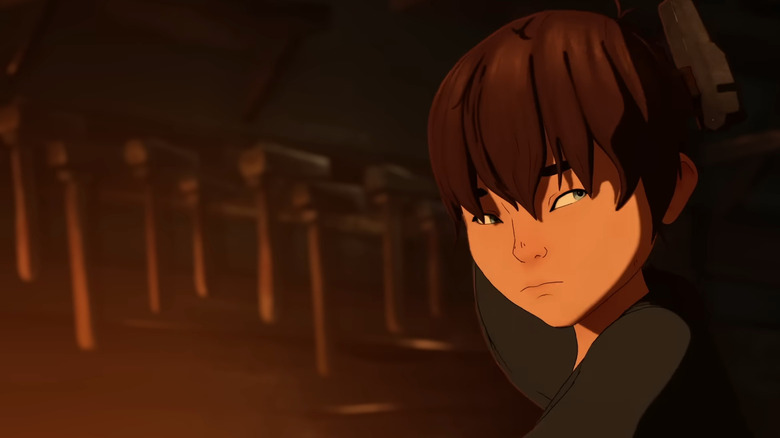
Japan was a place of peace, stability, and isolation under the Tokugawa shogunate in the 17th century. The country's borders were closed, and xenophobia ran deep through the society. This is the setting for "Blue Eye Samurai." The story follows Mizu, a fierce, blue-eyed master swordsman who, from birth, was marked as an outcast because of her mixed heritage. In a society that would rather make her invisible, Mizu turns her exile into a blade-forged destiny. She hides her gender and embarks on a bloodied path to slay those she believes are responsible for her suffering.
Mizu's journey takes her across lush landscapes and treacherous backstreets while she pursues her quest for vengeance. Along the way, she meets some very colorful characters who join her journey. Ringo is an enthusiastic but disabled soba chef who seeks glory. Taigen is a brash samurai whose rivalry tests both swords and spirits. Finally, Princess Akemi discovers her cage of royalty is not so different from Mizu's own societal constraints.
At the end of the first season of this incredible show, Mizu's quest concludes with a pivotal confrontation with Abijah Fowler, one of her four targets. The confrontation reframes her revenge as a complex journey not only of violence, but also of self-discovery, and it prepares us for the renewed second season of "Blue Eyed Samurai."
The story behind Mizu's blue eyes
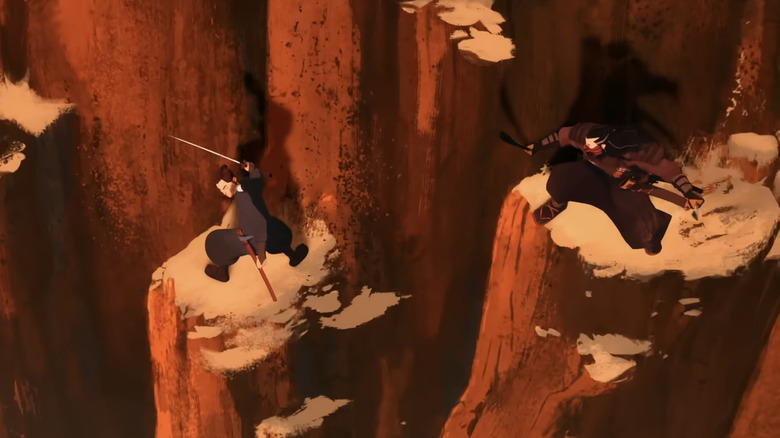
Beneath the slash of katanas and the clatter of clashing steel, "Blue Eye Samurai" is as much a story of inner struggle. Mizu's every duel mirrors her internal conflict. A mixed-race woman with striking blue eyes that only remind her of her shame, her whole life is a struggle against rejection and self-loathing. Her quest to slay the men who are the very symbol of her origin isn't just about revenge. It's about her battle with self-identity, the need for belonging, and the urge to prove her worth in a world that sees her as a "creature of shame."
Mizu's internal questions are multifaceted. She hides her gender and suppresses parts of herself to survive. The tension between who she is and who she must appear to be is palpable. Each moment of violence throughout the show makes Mizu wonder if her vengeance will eventually bring her peace. Will she heal? Or will the wounds of her past only deepen? The series explores the cost of revenge, showing that obsession isolates Mizu and blurs the line between justice and self-destruction. This refreshing level of storytelling makes the animation one of the 100 best shows on Netflix. The audience is invited to consider the true price of vengeance, the beauty of imperfection, and the courage it takes to accept oneself.