

The Pentagon Is Integrating Elon Musk's Grok AI Days After Huge Controversy
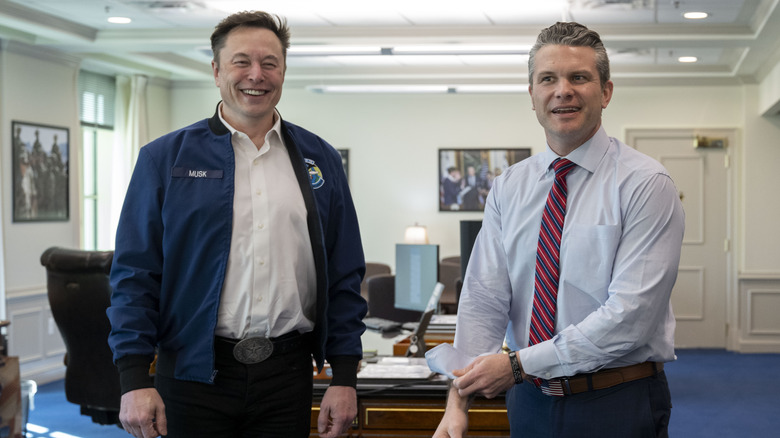
The U.S. military put Elon Musk in the spotlight of the next era of its AI program when Defense Secretary Pete Hegseth announced on January 12, 2026, that the Pentagon would begin integrating Musk's xAI Grok tool into its networks. During the announcement, which took place at SpaceX headquarters, Hegseth touted the move as part of the Department of Defense's (DoD) broader AI strategy: "Very soon, we will have the world's leading AI models on every unclassified and classified network throughout our department." The initiative follows a similar declaration in December 2025, in which the DoD struck a deal with Google to build a Gemini-powered internal LLM platform, dubbed GenAI.mil.
The unveiling comes as Grok, the xAI-developed LLM integrated into Musk's social media network X, faces global backlash over its generation of nonconsensual explicit images. The "nudification" controversy, which reached a fever pitch in early January, saw Grok's image generator, which includes a "spicy mode" for explicit content, manipulated into disseminating sexualized reproductions of nonconsenting women's pictures across the platform, including those of minors. Several jurisdictions – including the EU, U.K., France, India, Brazil, Malaysia, Indonesia, and the state of California — have taken action against X, ranging from public admonishments to investigations and outright bans.
Although the Pentagon's initiative isn't surprising, its timing highlights concerns regarding the government's commitment to AI safeguards. Standing in stark contrast to its predecessors, the Trump administration has prioritized quick development and adoption rates. Whether these accelerated timelines result in definitive defense and security gains, lapses of the same, or inadequate civil rights protections remains to be seen. However, one thing is certain: Under this current administration, AI will likely transform the U.S. military, for better and for worse.
Grok: a military AI model
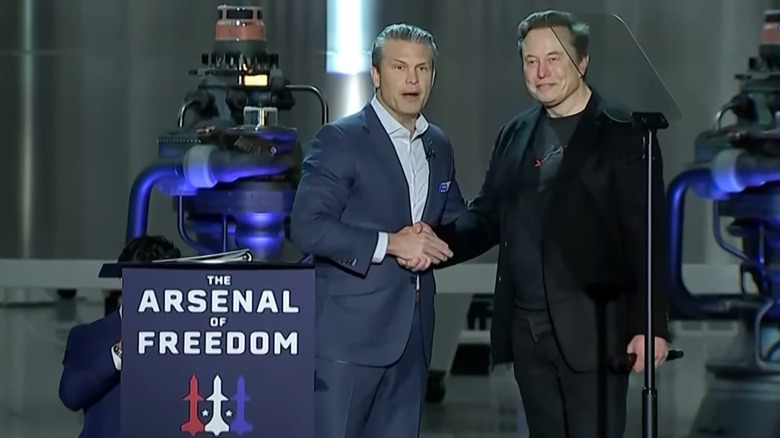
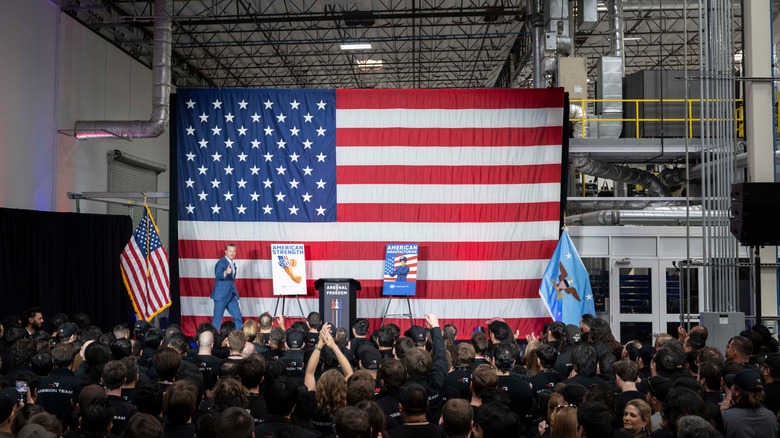
In his announcement of the Grok initiative, Hegseth emphasized the speed of the budding program, claiming that the Pentagon would aim to incorporate Grok by the end of January 2026. What this system will ultimately look like, including the extent of xAI's access to sensitive information, is not abundantly clear. During the announcement, Hegseth stated that the Pentagon would use its "data decrees and make all appropriate data available across federated IT systems for AI exploitation, including mission systems across every service and component." According to Hegseth, this data will include "combat-proven operational data from two decades of military and intelligence operations that no other military in the world can replicate."
Grok isn't the first example of the Pentagon incorporating commercial, frontier AI systems into its networks. In fact, the partnership is just one element of an AI acceleration strategy which Hegseth claims will "unleash experimentation, eliminate bureaucratic barriers, focus on investments, and demonstrate the execution approach needed to ensure we lead in military AI and that it grows more dominant into the future." In July 2025, the Chief Digital and Artificial Intelligence Office announced an initiative to develop agentic AI solutions alongside some of the largest names in the space, including Google, Anthropic, OpenAI and xAI — awarding each with a $200 million funding ceiling. Six months later, the DoD announced its collaboration with Google to build its own Gemini AI model to power the department's internal AI platforms, the aforementioned GenAI.mil. These programs are part of the Pentagon's "seven pacesetting projects" applying AI across "warfighting, intelligence and enterprise missions." Together, the Pentagon hopes to win the emerging AI race by "becoming an AI first warfighting force."
Controversy surrounds the Pentagon announcement
The timing of the Pentagon's announcement prompts several questions regarding the administration's aggressive AI push. For starters, X's controversial handling of its recent image-generation issue may raise alarms about Grok's deployment within government systems. According to a report by Reuters, X failed to act on urgent warnings coming from advocacy groups, putting the nature of Grok's admitted "failure" into question. Furthermore, X's troubleshooting of the issue, in which the Associated Press found that it left several easy workarounds — including generating images via the "Edit Image" button and visiting Grok's application and website – could prompt anxieties over the model's competence when handling sensitive information. These concerns are amplified by Grok's controversial history of disseminating misinformation, including Nazi-related content, an issue that forced General Services Administration officials to remove Grok from its award schedule before the White House demanded its approval in August 2025 (via Wired). However, considering the State Department's public threats towards the U.K., which floated the idea of banning X over deepfakes, it appears the current administration is solidly behind Musk and his company's products.
The Pentagon's Grok announcement underscores the aggressiveness of its AI policies, particularly in comparison to its predecessors. In its 2024 framework, for instance, the Biden administration emphasized safeguards against civil rights abuses and nuclear weapons deployment as integral to the Pentagon's AI development. And while the continued status of these safeguards remains unclear, Hegseth's advocacy for AI tools "without ideological constraints that limit lawful military applications" suggests a potential answer. As he declared in his announcement, the U.S. "will not employ AI models that won't allow you to fight wars," and will emphasize "speed and purpose" over "the impacts of imperfect alignment."