

Time In Space Can Change The Shape Of An Astronaut's Brain
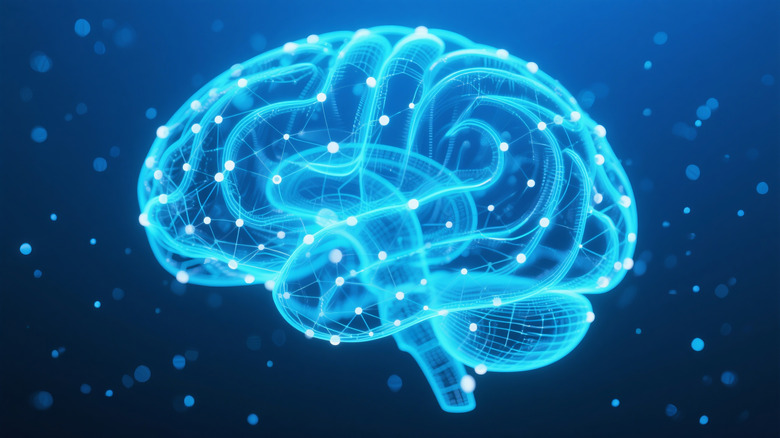
As the human race looks toward a future of space exploration and perhaps even colonization, one new discovery sheds light on a potential challenge. Traveling and being in space changes the shape of an astronaut's brain. This revelation may guide future studies around just how much changes, and how concerned we should be.
While earlier studies already found out that space makes astronaut's brains move around in their skulls, this one uncovered that brain regions themselves were directly impacted by the overall change in shape. After enough time in space, the brain will move up and back. Though the astronauts largely recovered after spending time back on Earth, this opens up discussion about the safety of long-term missions to the moon — and, one day, perhaps even to Mars.
This study brought together a team of seven researchers from institutions such as the University of Florida, the German Aerospace Center, and the NASA Johnson Space Center. Their findings were published in the Proceedings of the National Academy of Sciences (PNAS) journal in January 2026 under the title "Brain displacement and nonlinear deformation following human spaceflight," and the many interesting findings could impact the future of human space exploration.
Details of the astronaut brain study
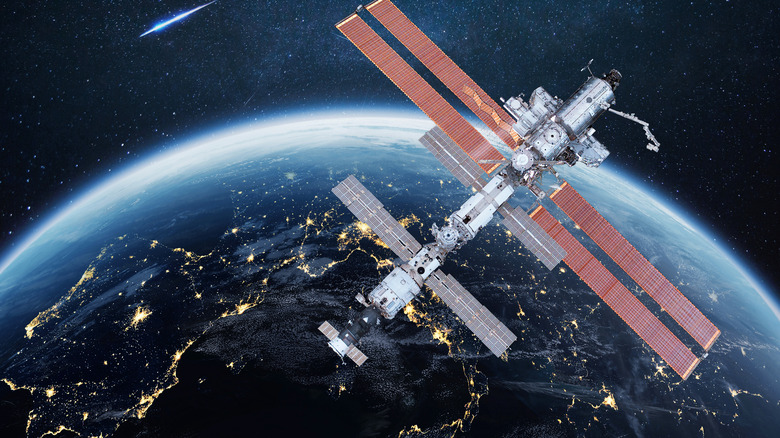
The study performed magnetic resonant imaging (MRI) brain scans of 26 astronauts and 24 others who underwent a mimicry of space flight without the actual travel. The study showed that the astronauts had greater brain upward movement, while the non-space traveling participants had greater backward brain movement. What's more, one interesting find was that the brain deformation largely took place in areas responsible for movement coordination and sensory information processing.
These deformations were seen to contribute to problems like disorientation and motion sickness while astronauts were in space. The issues did not end in space, however, as after returning to Earth, these same deformations contributed to balance problems. Though these symptoms can be problematic enough on their own, the study did note that despite how the brain itself was being deformed, there weren't more serious issues happening — not even headaches. These deformations and symptoms resolved themselves within about half a year of being back on Earth. However, the study noted that the longer an astronaut was in space, the more pronounced the brain changes were.
It is also worth adding that it is already known that space flight can cause cavities in the brain to expand, which takes a few years to heal after returning to Earth. Also, a study from 2024 shed light on the fact that astronauts could show cognitive decline after only three days in space.
What this means for future space travel
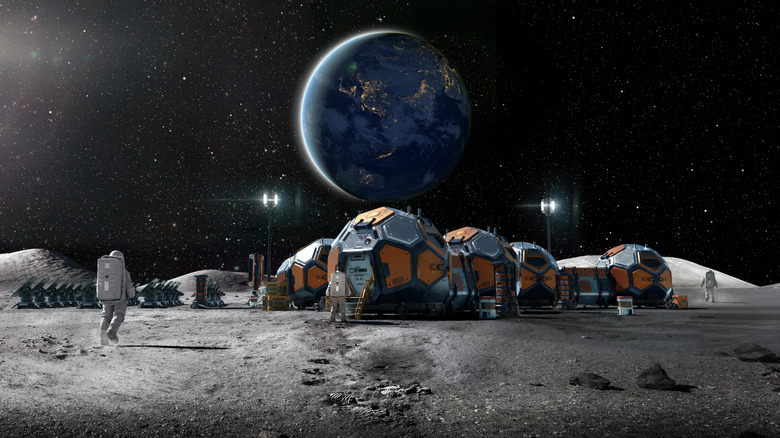
The collective findings of all these studies, especially with this new brain deformation information, is disturbing. After all, science fiction novels and movies show a future where humans have colonized other planets and travel all over with ease. NASA has already announced a date for the first crewed mission to the moon in 50 years, and the Artemis moon missions include plans to set up a permanent research base on the moon where astronauts can stay long-term.
The study highlights that it is important to understand how the human brain will be impacted by space travel if we are ever to meet exploration goals. After all, if potential plans involve sending someone into space for years, how would this impact their brain? How long would it take them to recover when they returned to Earth? If they never returned and theoretically lived on the moon or Mars, what would happen to their brain over time? Having trouble with disorientation and processing sensory information while working in the harsh environment of space is a dangerous mix. And though astronauts are highly trained and meet certain physical and mental standards, the idea of space tourism has been gaining popularity — another factor to keep in mind.
Ultimately, these types of studies also shed light on how the average person may be impacted, and how they might feel based on brain deformation, while in space and after returning home. It will be interesting to see what can be learned from future research regarding space travel and the human brain.