

The 5 Best Phones Cameras You Can Buy, According To Consumer Reports
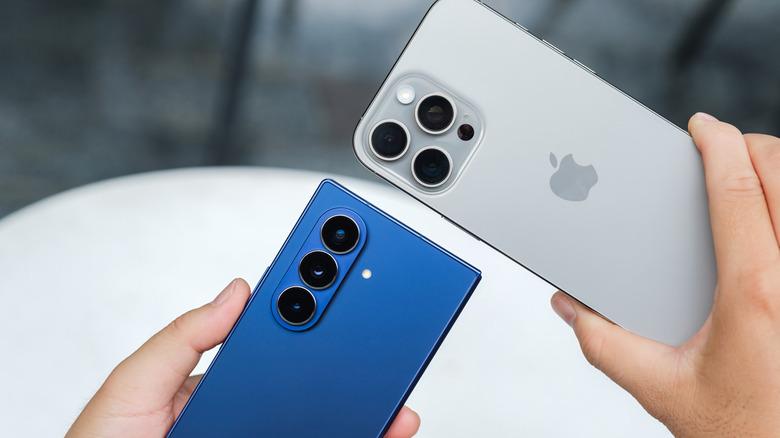
Smartphone cameras have gotten so good over the years that they have massively shrunk the consumer camera market. And with our phone cameras now capturing all aspects of our daily lives, from everyday mundane activities to major life-changing events, it's important to know that you are going to get great shots whenever you pull out your phone.
But with so many numbers, statistics, and lenses, making sense of it all can often feel like doing homework for many people. Thankfully, Consumer Reports is here to assist, as it has compiled a list of all the smartphones that came through their laboratory for testing. They have done all the legwork looking at megapixels, lenses, optical zooms, selfie quality, apertures, and all the confusing numbers that can give the average person a headache when trying to compare.
The smartphones mentioned in this list are all great devices but they excel primarily in the camera department. So, if you are looking for a device to capture your kid's next birthday party or are looking to film the next big indie darling, picking up any of the following devices should serve you well.
Samsung Galaxy S25 Ultra
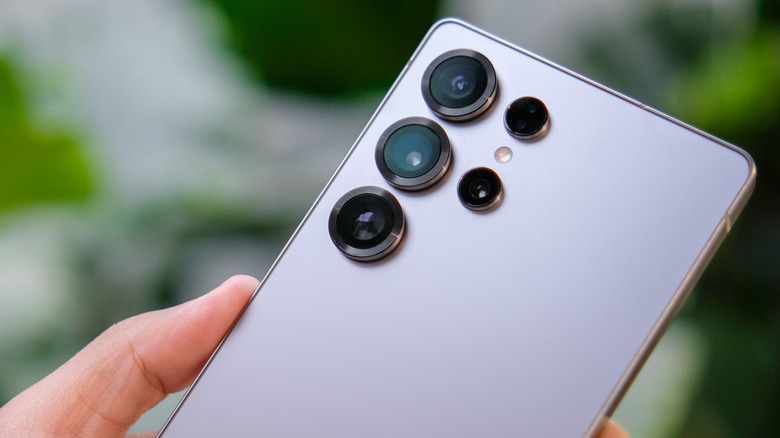
Samsung is one of the market leaders in the mobile marketplace, their flagship phones directly competing with the likes of Apple and Google. In terms of camera quality, the Samsung Galaxy S25 Ultra leads the pack in Consumer Reports' list of the best mobile phone cameras currently on the market. Featuring multiple cameras, the smartphone's main shooter is a 200 MP ISOCELL HP2 with a f/1.7 aperture that includes optical image stabilization and AI tools.
It also features a 50MP ultra-wide camera and a telescoping camera that allows for lossless 10X zoom. For those looking to take incredible video, the powerful rear-facing camera allows for the capturing of 8K resolution videos at 30 frames per second. And those selfie videos you are uploading to TikTok and Instagram will also look stunning as the front-facing camera can support 4K videos at 60 frames per second.
For the professional photo buffs out there, the included Expert RAW mode allows for amateur and professional photographers to take advantage of aperture adjustment from f/1.4 all the way up to f/16. Some users online have stated that they have had image processing issues with the S25 Ultra, but minor issues haven't stopped it from coming out on top.
Google Pixel 9 Pro XL
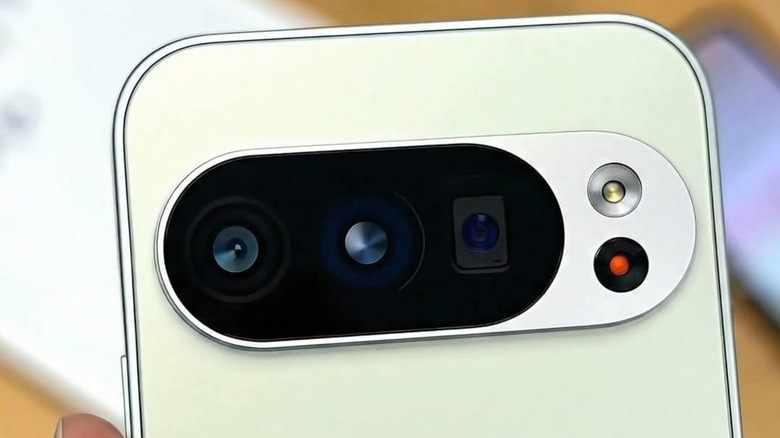
Google Pixel phones have always been known for coming with great cameras, a lot of it coming down to some great software processing. I loved my Pixel 4 XL and still use a Pixel 6 Pro to shoot 4K video content for YouTube. And the Google Pixel 9 Pro XL is no slouch in the camera department, featuring a 50MP main shooting camera, a 48MP ultra-wide lens, and another 48MP 5x telephoto lens.
The Pixel 9 Pro XL features a new HDR imaging system that is designed to provide better true-to-life photos and a selfie camera that can support recording of 4K 60 frames-per-second videos. It also features an AI camera system that's being powered by Google Gemini. You have access to tools such as Magic Eraser to remove objects, Photo Unblur to help you produce clearer photos, and AI-enhanced video stabilization.
Features like Super Res Zoom Video allow for smooth zooming up to 20x and Add Me is great for inserting the person taking the photo into the photo. The Google Pixel 9 Pro XL features a great camera and tools to help amateur photographers feel more professional. But some nagging issues with unintended camera tilt, touchscreen responsiveness, and overheating keep the Pixel 9 Pro XL from taking the top spot.
Apple iPhone 16 Pro Max
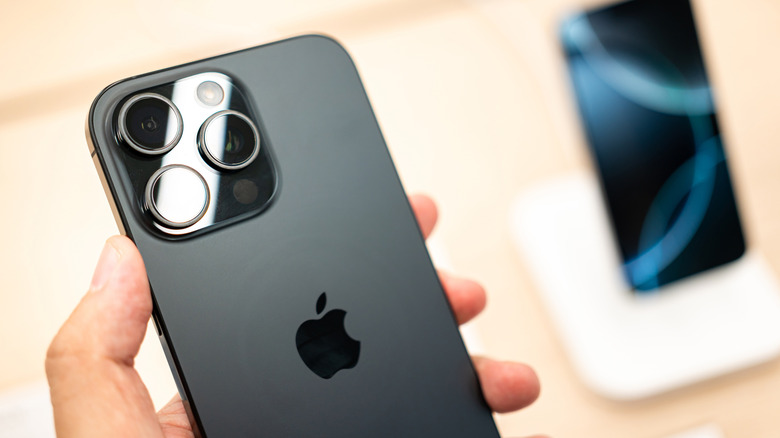
The iPhone has always offered great cameras, with several feature films being entirely shot on various model iPhones going all the way back to the iPhone 5s with the film Tangerine, and most recently with 28 Years Later being shot on an iPhone 15 Pro Max. Considering they shot a major release such as 28 Years Later on an iPhone 15 Pro Max, you can expect the Apple iPhone 16 Pro Max to allow for some incredible videos too.
And this is possible with several upgrades over the 15 Pro Max including a new 48MP Fusion camera with a quad-pixel sensor and a separate 48MP ultra-wide that doubles as a macro lens as well. The telephoto lens has also been upgraded from 3x to 5x. You can shoot video in 4K 120 frames per second and take advantage of the Camera Control button; a feature you can disable as many users have had various issues when trying to use the button.
If you are shooting video, the iPhone 16 Pro Max features four studio-quality microphones and audio mixing features making creating content a much nicer experience, especially for professionals who will later be editing their content for YouTube or film projects.
Samsung Galaxy S24 Ultra
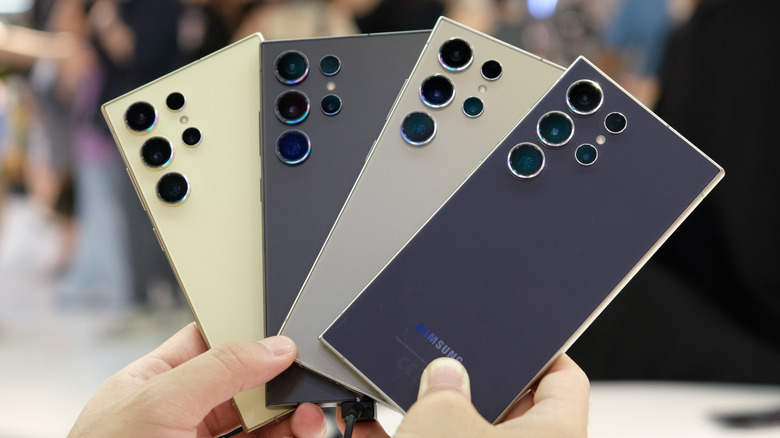
The thing about flagship phones is that just because a new one in a line releases, the old one doesn't become outdated. Picking up a flagship means you are going to be able to survive at least a couple of generations without much compromise. You can see this clearly when looking at the Samsung Galaxy S24 Ultra. This flagship offering released in 2024 was considered by many to be the ultimate Android experience upon release.
Featuring a primary camera with a 200MP sensor with an f/1.7-aperture, the Galaxy S24 Ultra is still solid. The secondary ultra-wide 12MP lens might not quite match the 50MP lens of its big brother the S25 Ultra, but it's more than enough to get the job done. Featuring two telephoto lenses and the ability to record video in 8K at 30 frames-per-second, you are getting a capable camera that will be top tier for years to come.
If you are looking to save a little money over the more modern S25 Ultra, the S24 Ultra might be the way to go for more budget-minded users. Just be aware that users have reported some image noise issues on videos in low-light settings, delays in shutter response, and video sometimes being slow to focus.
Apple iPhone 15 Pro Max
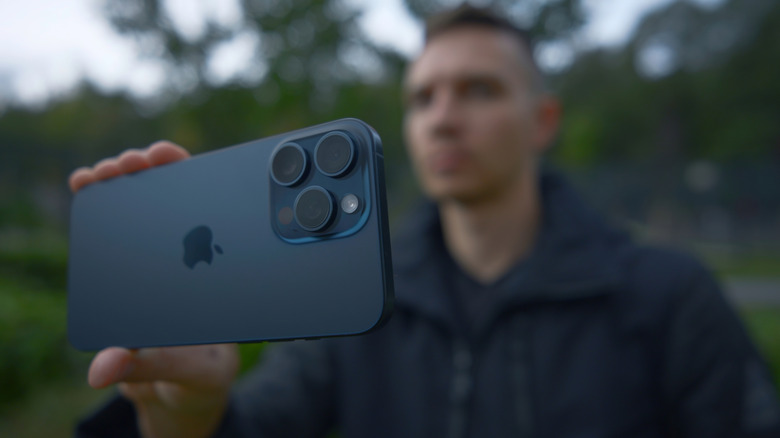
As mentioned earlier, the quality of the cameras inside is so good that a number of iPhone 15 Pro Max phones were used to shoot 28 Years Later, a major feature film released in theaters. Apple seems to understand the power of film, with the company even focusing its advertising on highlighting the iPhone 15 Pro's cinematic capabilities.
The Apple iPhone 15 Pro Max features a 48MP Quad Bayer sensor that captures better image quality than its predecessors. With seven focal lengths, you have a number of options to get great shots in all manner of situations, including much better low-light shooting than previous models. And the included 5x optical zoom is a big step over the iPhone 14 Pro Max as well.
With the camera technology inside the iPhone 15 Pro Max being created thanks in part to the needs and requirements of filming for F1 The Movie, you can expect to be creating high-end content without compromise for years to come. The Apple iPhone 15 Pro Max is a great choice for casual photographers and those looking to make the next big Hollywood hit.
Methodology

This article highlights the top-rated smartphone cameras, as determined by Consumer Reports. The platform's experts collected data from and performed testing on each phone that came through their laboratory. Consumer Reports achieved a score for each smartphone based on the testing results garnered in a controlled studio environment testing each device's camera system. For this article, we've also researched each smartphone listed through various online platforms in order to help validate the claims made by Consumer Reports and their experts.