

12 Cheap Android Phones That Are High Quality, According To Consumer Reports
We may receive a commission on purchases made from links.
There was a time when buying a budget phone meant settling for less. You'd save money, but you'd probably get a dim screen, a camera that made your friends look blurry, and a battery that barely lasted a day, among other trade-offs. Many of us have squinted at a poor display while others snapped sharp photos with pricier phones. But now, things are different.
These days, you don't have to compromise on quality to save money. There are now many affordable phones that feel much more expensive than they are. You can get bright OLED screens, batteries that last for days, and cameras that take great sunset photos. This is possible because phone makers have been bringing high-end features to cheaper models more quickly than before.
To demonstrate this, we combed through Consumer Reports' data and looked for Android phones that scored well but don't carry a high price tag. Whether you're a student, a parent shopping for a first phone, or just tired of expensive upgrades, this list will help you save money. Here are 12 great phones that feel premium but are easy on your wallet.
Samsung Galaxy S24 FE
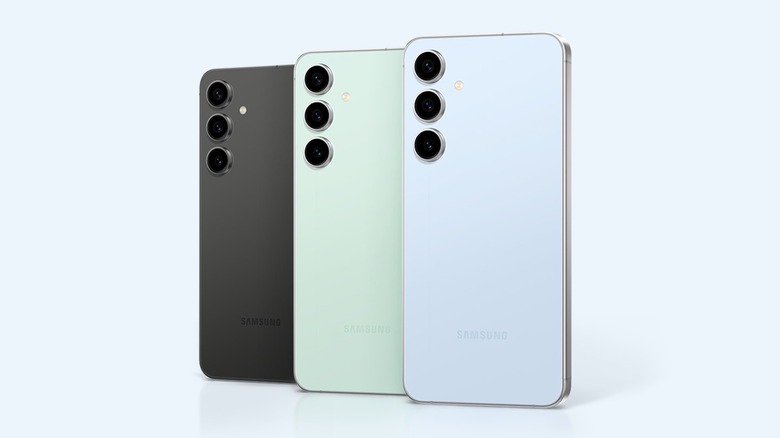
The Fan Edition (FE) series has always been Samsung's way of appealing to budget-minded buyers, and the Galaxy S24 FE is the South Korean company's best effort yet. This phone feels close to a flagship, with a premium glass design and a strong Exynos 2400e chip that handles multitasking smoothly. The 6.7-inch Dynamic AMOLED 2X display is very bright, reaching 1,900 nits, so you can easily read your texts even in direct sunlight. More importantly, you'll get years of software updates, so your phone stays up to date long after you buy it.
The S24 FE also brings more than just a good screen. It has Galaxy AI features like Circle to Search and Live Translate. The battery life is decent, but charging is limited to 25W — slower than some top budget Android phones. The bezels are a bit thicker than on the standard and unsurprisingly great Galaxy S24. But for the price, the strong performance and long-term support make these trade-offs worth it.
Samsung Galaxy S23 FE
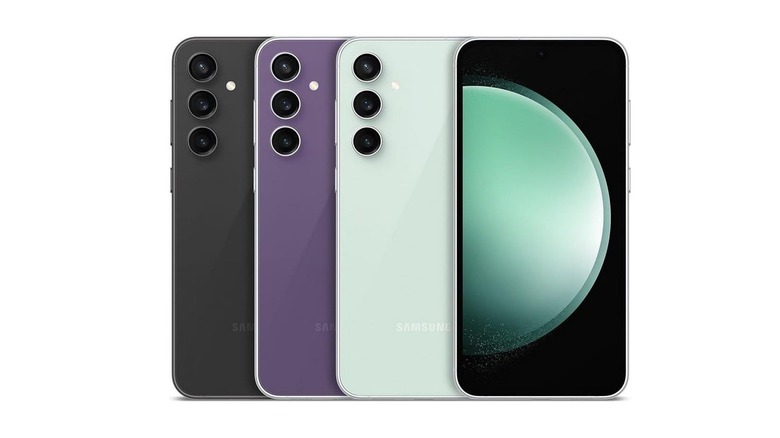
If the Samsung Galaxy S24 FE stretches your budget a little too thin, the Galaxy S23 FE is a strong choice. It gives you a comparable experience, and it still has powerful AI features like Circle to Search. This phone has the classic Samsung look, with floating camera lenses and a metal frame, along with high-end hardware. The Snapdragon 8 Gen 1 chip handles games and video editing much better than rival models. It also has an IP68 rating for water and dust resistance, so a splash by the pool won't ruin your phone.
The S23 FE also has a 3x optical telephoto lens, so you can take clear photos from far away. However, the battery life is just average, and heavy use may require charging before the end of the day. Furthermore, the Snapdragon 8 Gen 1 era wasn't famous for battery efficiency, so don't expect impressive endurance that newer silicon can pull off. Nevertheless, having a real telephoto lens at this price is a great deal.
Motorola Edge+ 5G
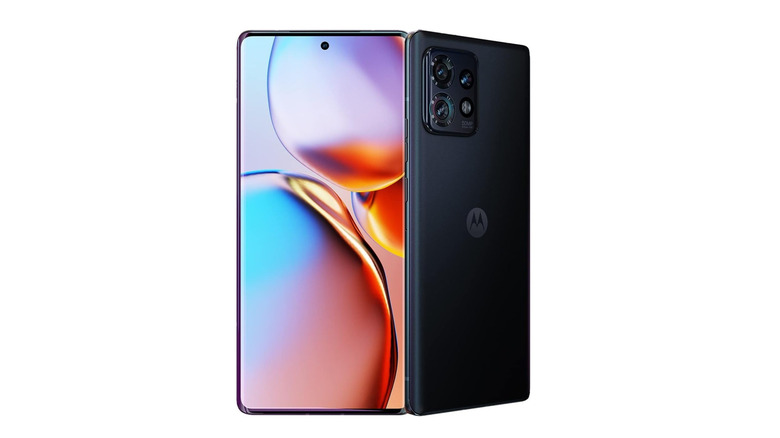
Motorola often flies under the radar, but the Edge+ 5G (2023 model) is a reminder of why it once ruled the mobile world. This former flagship is now available at a budget price, making it an excellent value. Its best feature is battery life, with users getting almost two days on a single charge, thanks to its 5,100mAh battery and Snapdragon 8 Gen 2 chipset.
The display is also impressive, with a quad-curved pOLED screen and a fast 165Hz refresh rate. Most phones only reach 120Hz, so scrolling feels especially smooth. The software, Motorola's My UX, is simple and free of unnecessary apps, and it includes helpful gestures like the chop-chop flashlight.
The tradeoffs are the usual Motorola ones. Camera quality is good, but it's usually ranked below the best Pixel or Samsung processing, especially when lighting gets messy. And Motorola's longer-term update cadence has historically been less aggressive than Samsung or Google's, so if you keep phones for five years, that's a real consideration.
Samsung Galaxy A54 5G
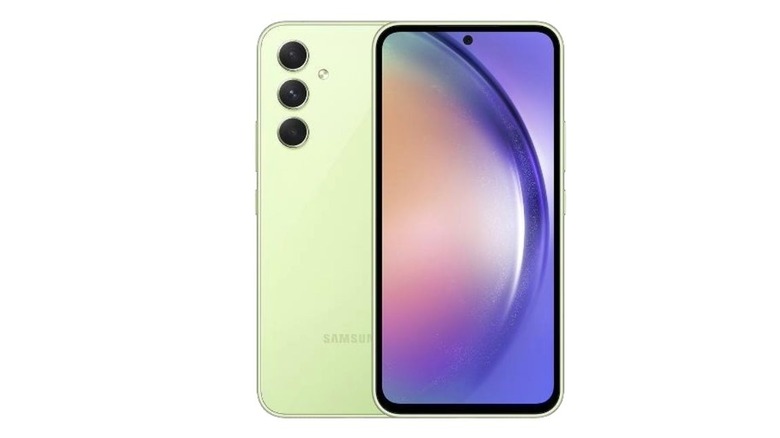
The Samsung Galaxy A54 5G is the definition of a reliable daily driver, and it hits a price-to-performance sweet spot that is hard to ignore. This phone mimics the look of the pricier S-series, utilizing a glass back that feels premium in the hand. The 6.4-inch Super AMOLED screen is bright, punchy, and perfect for streaming Netflix on your commute. Plus, the main camera features Optical Image Stabilization (OIS), helping you capture crisp shots even when your hands aren't perfectly steady.
Under the hood, the Exynos 1380 isn't going to set benchmark records, but it handles social media, email, and light gaming with competence. What really sells this phone is the software support. Samsung promises four generations of OS updates and five years of security updates, meaning this phone will likely outlive much more expensive rivals from other brands.
The main compromise here is the bezel size; it's a bit thick, reminding you this isn't a flagship. Also, the virtual proximity sensor can be finicky during calls, but if you want a phone that just works and keeps working, the Galaxy A54 is a safe bet.
Google Pixel 7a
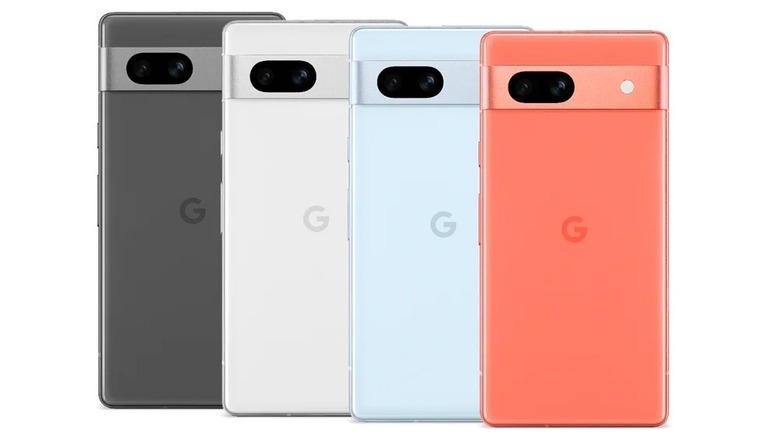
If your primary concern is camera quality, stop reading and just buy the Google Pixel 7a. It brings Google's computational photography magic to the masses. The 64MP main sensor, combined with Google's Tensor G2 chip, produces photos that consistently beat phones costing twice as much. Features like Night Sight, Real Tone, and Photo Unblur really do help save photos that other phones would miss. It captures texture and skin tones with a realism that Samsung and Motorola often struggle to match. It also brings wireless charging to the A-series, a convenience usually cut from budget phones.
Additionally, features like Call Screen and Now Playing make the Pixel 7a easy to use. There are some downsides, however. The Tensor G2 chip can get warm, especially during long video calls or gaming. The battery lasts for a full day, but not longer, and the 18W wired charging is slow compared to other phones. Still, if you care most about photography and are on a budget, these compromises are reasonable for a phone with such a good camera.
Samsung Galaxy A25 5G
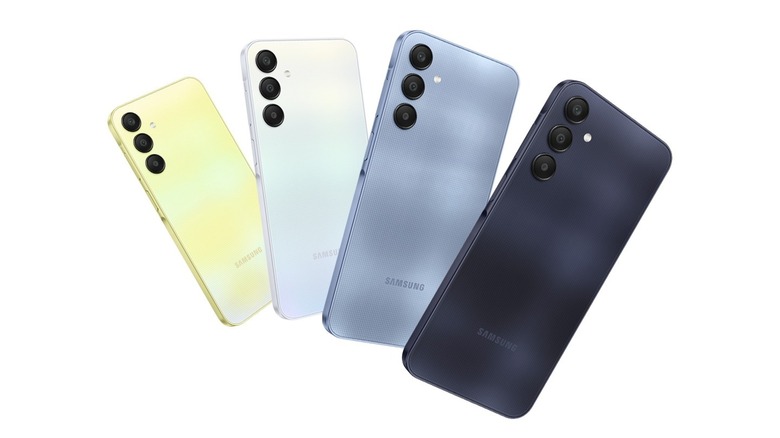
Sliding into the sub-$300 bracket, the Samsung Galaxy A25 5G focuses on the fundamentals. It brings a 120Hz AMOLED display to a price point where many competitors are still using LCD panels. The difference is stark: blacks are truly black and colors pop. It also features stereo speakers, making it a surprisingly capable little media consumption machine. If you spend a lot of time on YouTube or TikTok, you'll appreciate this combination. It also keeps the headphone jack, so you can use your wired headphones.
Performance is handled by the Exynos 1280, which is adequate for daily tasks but will struggle if you try to run heavy 3D games like Genshin Impact. The design features a unique Key Island — a raised bump on the side for the power and volume buttons — which actually makes them easier to find by feel. It's a good idea to use a case, since the plastic back can scratch easily and doesn't feel as high-quality as glass.
OnePlus Nord N30 5G
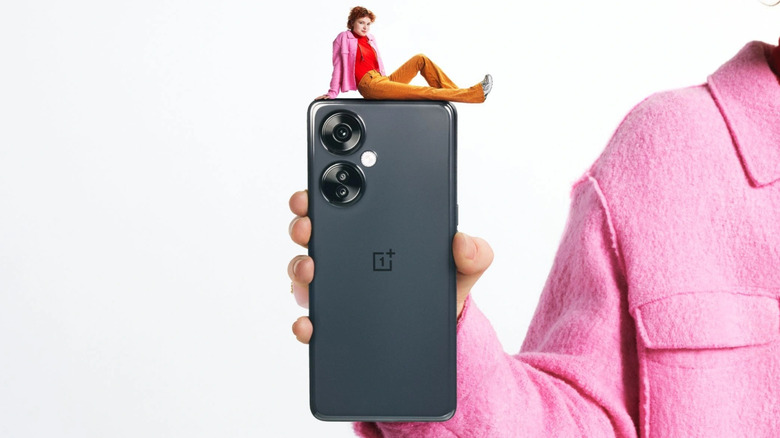
The OnePlus Nord N30 5G is for the impatient. Its headline feature is the 50W SUPERVOOC fast charging, which can take the battery from dead to ready-to-go in about 30 minutes. Considering Samsung and Pixel phones take over an hour to charge, this feels like magic. It also has a large 5,000 mAh battery, so you don't have to worry about running out of power. The software is quick and smooth, as one would expect from OnePlus OxygenOS.
The main camera is a 108MP sensor that uses pixel binning for sharp images, and it takes detailed photos in good light. But in low light, it doesn't perform as well as the Pixel series. The screen is an LCD, not OLED, so while it has a 120Hz refresh rate for smooth scrolling, you won't get deep blacks. The camera setup also lacks an ultrawide lens, so landscape shots are limited. If you care more about power and speed than perfect contrast, the N30 is a great choice.
Nothing Phone (3a)
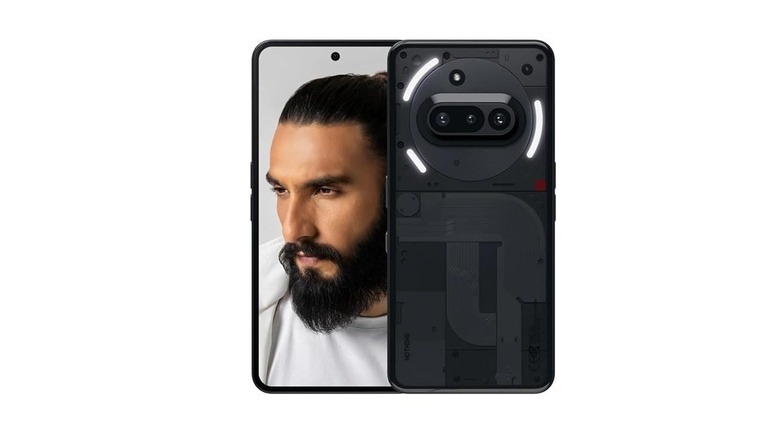
The Nothing Phone (3a) stands out with its unique design. Instead of the usual black or gray, it has a transparent back that shows its internal parts and features the Glyph light interface. These lights are useful: they can work as a timer, show volume levels, or act as a ring light for photos. The phone is both fun and practical; stylish and free of unnecessary apps. Inside, the Qualcomm Snapdragon 7s Gen 3 chip offers fast performance.
The design may not appeal to everyone, especially the camera bump in the center, which some people like and others do not. The software uses dot-matrix fonts and monochrome widgets, which might feel limited to some users. This phone does not have wireless charging, and the plastic back does not feel as high-quality as glass. Still, if you want a phone that stands out as much for its looks as its features, the Nothing Phone (3a) is a good choice.
Samsung Galaxy A15 5G
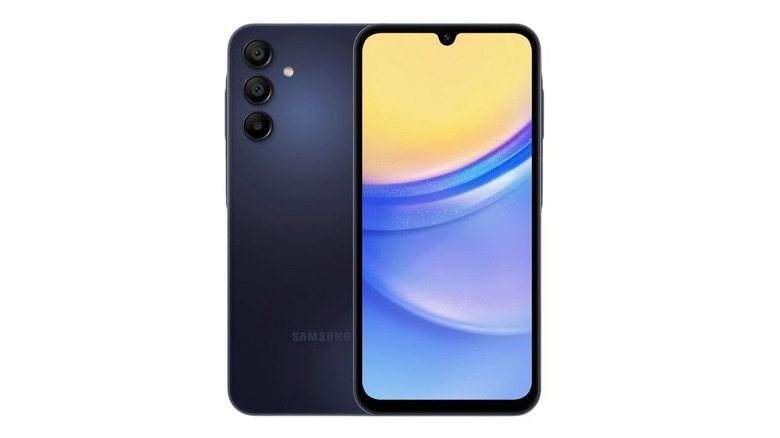
The Samsung Galaxy A15 5G is sometimes available for as little as $50 with carrier deals, though the regular price is higher. It's a top choice for entry-level buyers. Even at this low price, Samsung includes a 90Hz Super AMOLED display, which is rare in this price range where most phones have basic 720p LCD screens. It also has expandable storage with a microSD slot and a headphone jack, features that are often missing from more expensive phones.
The phone feels sturdy, if a bit plasticky, and the battery life is stellar thanks to the modest processor sipping power — don't expect to run Call of Duty Mobile at high settings, though. The cameras, meanwhile, are strictly for documenting receipts or taking photos in good lighting, as they struggle in low light. Another drawback is the slow charging speed (25W supported). Annoyingly, a charger is not included in the box. That said, for a teenager's first phone or as a backup, the Galaxy A15 offers excellent value.
Samsung Galaxy A23 5G
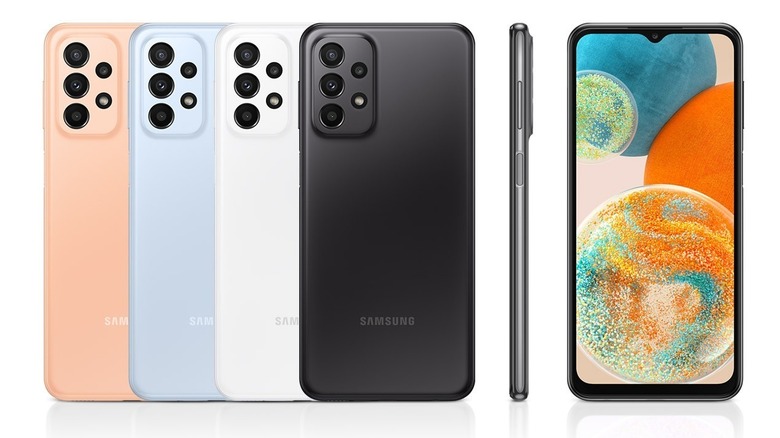
The Galaxy A23 5G is one of the older models on this list. While it has been succeeded by newer models, it remains a viable option because of its balanced feature set. It offers a 6.6-inch 120Hz display protected by Gorilla Glass 5, which makes it reasonably durable against drops and scratches. The Snapdragon 695 5G chipset inside is a known quantity — it's not fast, but it's power-efficient, leading to reliable battery life that will get you through the day.
Why choose the Galaxy A23 5G over the newer A25? Sometimes, clearance sales make the A23 much cheaper. If you find it at a low price, it's a good deal. However, there are a few caveats. The screen is LCD — not the better AMOLED found on newer models, so colors are less vibrant. The quad-camera setup looks good, but the macro and depth sensors are not very useful, and some users have had problems with the virtual proximity sensor. It's a solid option if the price is right, but consider newer models first.
Samsung Galaxy A16 5G
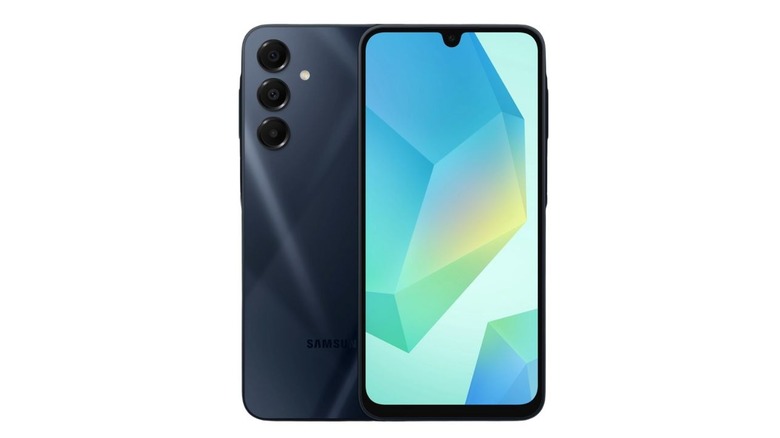
Rounding out the Samsung dominance is the Galaxy A16 5G. This is the successor to the ultra-popular A15, and it makes a few key refinements. The screen size bumps up to a massive 6.7 inches, giving you more canvas for your content. The phone keeps the AMOLED display, so colors stay bright and clear. It also adds IP54 dust and splash resistance, offering extra protection against everyday accidents.
The biggest selling point here is longevity. Samsung has committed to an unprecedented six years of OS updates for the A16. That is a rarity for a sub-$200 phone and means this device will theoretically be running Android 20 in the 2030s. The trade-off is performance. With only 4GB of RAM in the base model, it can feel sluggish if you rush it, and like its predecessor, it ships without a charger. But if you want a phone you can buy today and keep as a reliable communicator for half a decade, this is the smartest investment on the list.
Nothing Phone (2a)
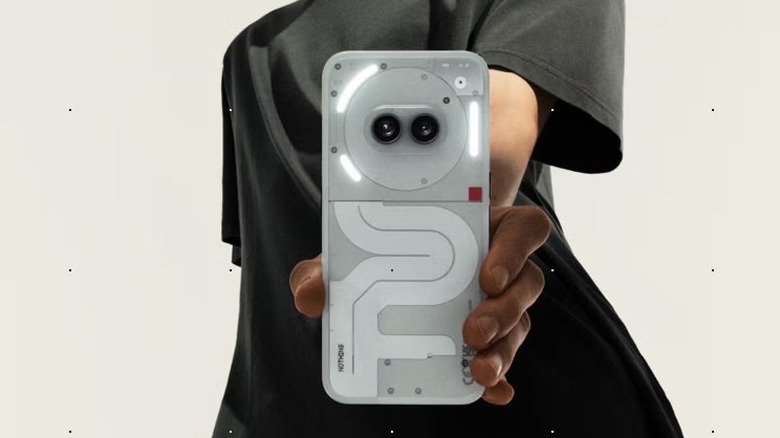
The Nothing Phone (2a) takes a different approach that makes it stand out. Like the Nothing Phone (3a), it feels fresh in a market where most devices look the same. It offers the well-known transparent Glyph design at a lower price, with three LEDs around the camera that flash for notifications and work as a visual timer. This feature is actually useful because you can leave your phone face down and still see important alerts.
The MediaTek Dimensity 7200 Pro chipset makes the phone run well. The 6.7-inch AMOLED screen is bright and colorful, and the 5,000 mAh battery can last all day — if not longer. The camera takes good photos in daylight, but low-light pictures can look a bit grainy. The main drawback is the plastic back, which gets fingerprints and scratches easily, so it's best to use a case. There's no wireless charging, but given the phone's design and performance, these aren't major issues.
Methodology
All of the affordable Android phones listed here score in the mid to high range in Consumer Reports' 100-point scoring system. We focused only on models priced at $500 or less, zeroing in on the ones that squeeze the most performance out of every dollar. The result is a shortlist of devices that punch above their price tag, offering near-flagship features without drifting anywhere close to premium pricing. Consumer Reports' overall scores are based on independent, hands-on testing in labs, real-world use, and feedback from members.