

Apple Reportedly Spent $2 Billion On An AI Company You've Never Heard Of
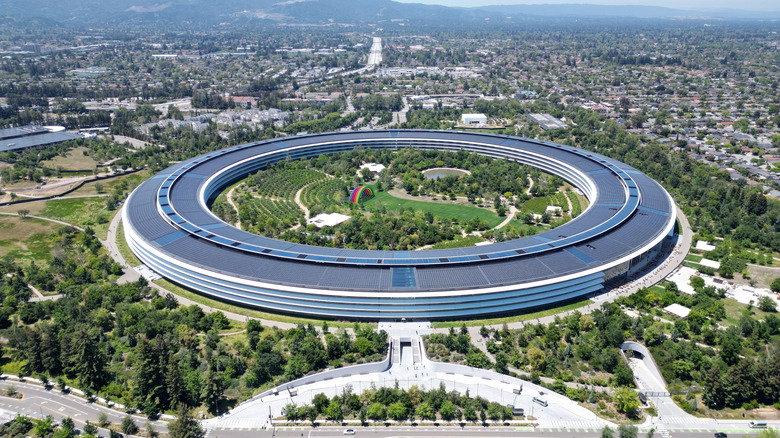
Apple confirmed to Reuters on Thursday that it has acquired Q.ai, an Israeli company focused on AI imaging and audio technologies. In another report by the Financial Times, citing people familiar with the matter, the publication said that Apple spent close to $2 billion on this deal, making it the second most expensive acquisition in the company's history, just behind the $3 billion Beats deal in 2014.
What's interesting about this purchase is that rumors suggested Apple was considering buying a major AI player to boost its Apple Intelligence platform, with previous reports suggesting that the company could end up buying Anthropic. What Apple did instead was close a deal with Google to supercharge its Apple Intelligence features with Gemini models while still working on its own in-house LLMs.
To Reuters, Apple's chipmaking chief Johny Srouji described Q.ai as "a remarkable company that is pioneering new and creative ways to use imaging and machine learning." Apple is not only buying the startup, but also absorbing its founding team, as CEO Aviad Maizels along with co-founders Yonatan Wexler and Avi Barliya will now work at Apple.
What's so special about Q.ai?
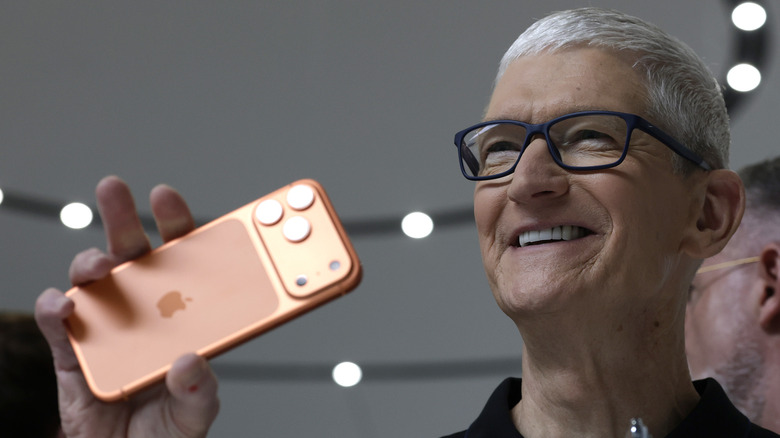
Even though Apple never tells us ahead of time what it plans to do with the technologies it acquires, this isn't the first time the company has bought a startup from Maizels. In 2013, Apple bought 3D sensing firm PrimeSense, which helped Apple develop the TrueDepth camera system and bring Face ID to the iPhone X in 2017.
According to Reuters, the latest patent application filed by Q.ai was related to "facial skin micro movements," which could make a significant difference when it comes to detecting words, emotions, and even how the body reacts. This could be used in a future iPhone, or even upcoming AR headsets that Apple is currently developing. Besides these features, Q.ai also develops its own AI software which operates locally and could boost Apple's offerings.
How Apple will end up utilizing Q.ai's technologies is still a mystery for the time being, but it wouldn't spend this much money if it wasn't going to be a key pillar of the company's AI future. That said, we'll likely hear more about these innovations in the coming years, and they might end up being as game-changing as Face ID was for Apple almost a decade ago.