

Your Amazon Echo Is Connecting To Your Neighbors' Smart Gadgets Too - Here's Why

We may receive a commission on purchases made from links.
In 2021, Amazon rolled out a feature for its Alexa and Echo devices that shared your internet connection with neighbors via a service called Sidewalk. It creates a low-bandwidth network between nearby devices, to include Echo smart speakers, displays, and Ring cameras. The goal is to provide a reliable signal to neighboring devices, like Tile trackers which share their location. Sidewalk keeps devices online when their home network is out of range. This shared service remains online and operational, unless you opt out.
This means, unless you've turned it off, your Amazon Echo is potentially connecting to and sharing its connection with your neighbors' smart gadgets and compatible devices. Granted, this only applies to Amazon Sidewalk compatible devices; it's not like nearby users are siphoning excess bandwidth for all smart gadgets. Devices that offer this are called a Bridge, because they're bridging the connection between platforms. You can find a list of all Ring, Amazon and lighting compatible bridge devices as detailed by Ring.
For Ring devices, your Amazon and Ring accounts need to be linked. You can do that within the settings of the Ring app. To disable Sidewalk on Amazon Alexa and Echo devices, open the Alexa app and navigate to Menu (three horizontal lines) Settings > Account Settings > Amazon Sidewalk. You can turn the service on or off in that sub-menu. It will disable Sidewalk for all devices connected through your Alexa app and Amazon account. If your internet frequently goes out, it might be better to leave Sidewalk on, as an Amazon Echo speaker is significantly limited with no connection.
Why leave Sidewalk enabled for others to use?
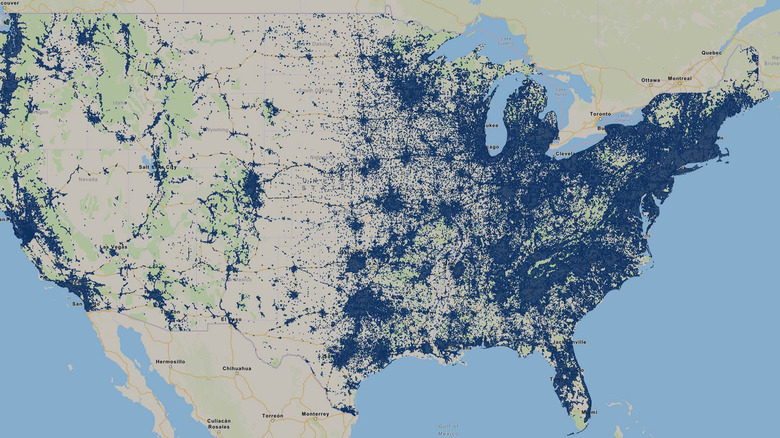
Should you choose to keep Sidewalk active, you could be helping your neighbors. If their Echo is on the fringe of their network's coverage, for example, and has spotty Wi-Fi, their device might connect to yours, offering them a better experience. The same applies to you. Better coverage and better range is available to what Amazon estimates is over 95% of the country because of Sidewalk.
Tile trackers, a mobile GPS tool, help users track objects and gear, like a keychain, wallet, or purse. Normally, they work via Bluetooth LE and when they're out of range, that's it, giving them a maximum range of about 100 to 500 feet. That limits tracking unless Tile devices have access to another network, like Sidewalk. So, by leaving Sidewalk active, you could be helping local people track their gear.
Of course, privacy and security concerns about Sidewalk are not unfounded. The traffic is encrypted according to experts, but the problem is that you must opt out, not in, meaning it's automatically enabled, even for those who don't understand what it is. That traffic is passing through your network, or your traffic through another, conversely which is scary to think about since Alexa is always listening through your Echo devices. It also could mean more devices using your network bandwidth. Sidewalk may use up to 500 megabytes of data per month, which could be an issue if your home service has data caps. The good news is you can disable Sidewalk within the Alexa app.