

14 Years Ago, Steam Launched One Of Its Most Controversial Platforms

One of Steam's most controversial platforms, Greenlight, started as a way for developers to put their games on the Steam Store more easily. Launching 14 years ago, the goal was to let players help decide which game deserved to have a place on Valve's storefront.
On paper, it looks great, since the power was handed directly to the community of players. While Steam Greenlight was created with noble intentions of bringing democracy to indie games that weren't yet as popular or ambitious as they are today, the system ultimately replaced traditional gatekeeping with community voting. This idea would replace the need to have a publisher to open doors inside Valve, letting some hidden gems that would be ignored otherwise have a chance of becoming some of the best games on Steam, which sounded great for small indie teams with no marketing budget.
The good intentions quickly descended into chaos. Vote-begging campaigns, asset flips, and joke submissions exploited the platform, and Steam Greenlight itself was never fully prepared for the scale of games. So, instead of acting like a filter to offer curated titles, players faced unfinished builds and projects that weren't taken seriously. Also, Greenlight started many problems that Steam faces today, such as overcrowded stores and low-effort releases.
Steam Greenlight inadvertently opened the floodgates for low-quality games
By removing much of the traditional approval process that existed before Steam Greenlight, where not so many games were qualified to enter the store, Valve lifted part of the quality filter that once was part of Steam's catalog. At the time, the number of releases on the marketplace was far more limited than today; however, once this system shifted toward community votes, visibility started to matter more than the quality of each indie title. So, a viral trailer and some jokes could generate enough attention to secure approval.
Steam Greenlight was easily exploited, even letting devs put malware in their games, and many meme-driven projects, such as the aptly titled "Rock Simulator," started to get more traction on the platform than the indie games that developers spent years building. Some other trends were also concerning, like the asset flips, where games were made from character models, mechanics, and environments purchased from marketplaces like the Unity Asset Store, assembled with minimal effort, and put on Greenlight for voting.
Since Greenlight focused on voters rather than a meaningful evaluation of quality, the platform also normalized the presence of shovelware, something Steam still struggles with to this day. Even the $100 submission fee introduced for the initiative, and after Steam Direct proved far from a real barrier, still allowed low-effort titles to keep flowing to the Steam storefront page.
Many games prove that Greenlight still launched indie hits
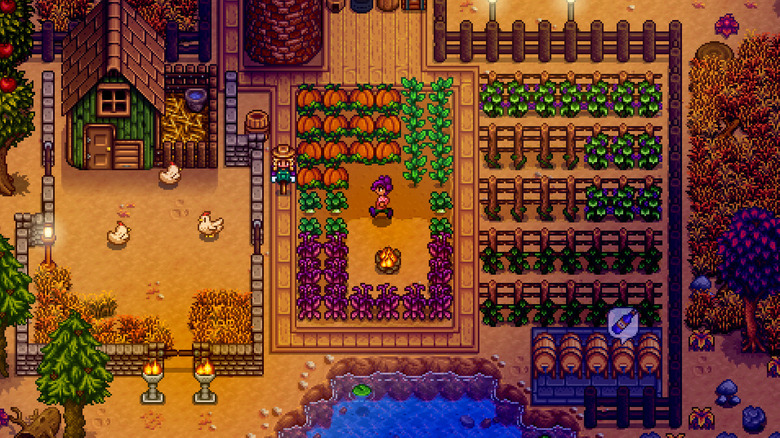
Despite the chaos and low-effort games that were approved through Greenlight, the program still allowed indie titles to be discovered by fans who might otherwise not have found them. "Stardew Valley," for example, is now one of the best games on Nintendo Switch and PC after first appearing on Greenlight as a modest project. Greenlight gave players a way to signal that there was demand for slow, cozy-paced experiences, such as those offered by classics "Story of Seasons" or "Harvest Moon".
"Project Zomboid" also followed that road. Before Greenlight existed, the game was rejected from Steam and had to rely on marketplaces like Desura to be sold. The game only got a chance on the Steam Store when it was backed by many fans who had already discovered the game. This second chance was important, since "Project Zomboid" has become one of the best games of the zombie genre, despite still being in early access.
And these two games weren't isolated cases, since titles like "A Hat in Time," "Undertale," and many other titles took advantage of Greenlight to have success. Even "Routine," a sci-fi horror project that vanished for years and only resurfaced recently, owes its initial visibility to that system. Even if it was broken, it can't be denied that Steam Greenlight allowed hits to find an audience.