

Are 3D Printed Kitchen Gadgets Food Safe?
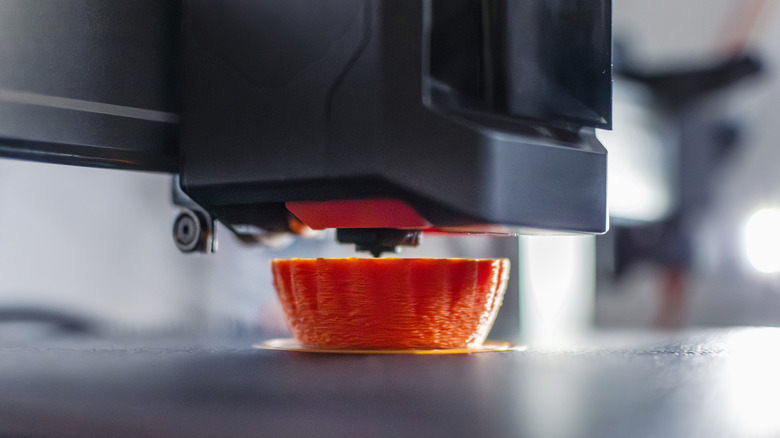
We've seen some amazing things coming out of the 3D-printed space. From smaller gadgets and gizmos found across some of the best sites for free 3D printing projects to even more ambitious ventures like Europe's largest 3D-printed house, each new addition to the space offers a lot of excitement for those interested in the expanding technology. Another area we're seeing 3D printing expand into is kitchen gadgets. While it might sound like a good idea to start printing some of your own kitchen accessories, there's a lot more to take into account when it comes to these items than with other 3D-printed objects. Like, for instance, just how safe they are to use around food.
The problem with printing off your own kitchen gadgets (or even buying them online) is the fact that you need to make sure you aren't getting anything that has toxic materials included in it, and that it's rated for food safety standards. For example, there are only a few materials used in 3D printing that are actually FDA certified to be used in food-related constructions. As such, you'll want any 3D-printed gadgets you make for your kitchen to be made of such materials, to help avoid exposure to chemicals and toxins.
There are also a number of other safety points you'll want to keep in mind if 3D printing your own food-safe objects — like how clean your space is, what components you're using, etc. For now, let's focus on the main question: are 3D-printed kitchen gadgets actually food safe? The answer is, it depends on how they were made and what they were made of.
Understanding food safety and 3D-printed gadgets
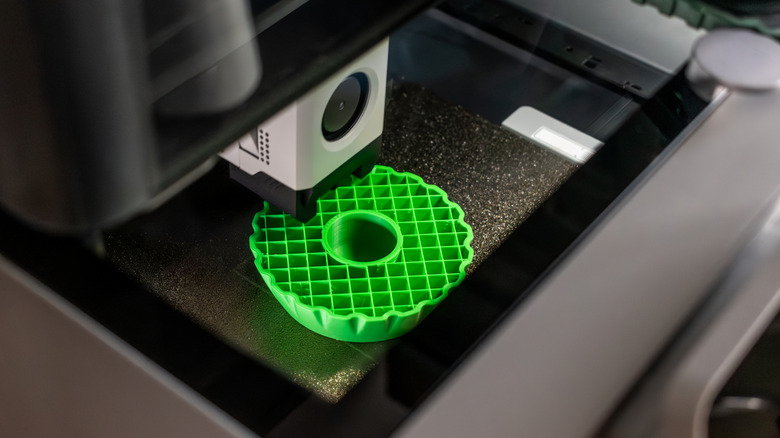
As noted above, there are only a few materials that are currently considered food-grade by the FDA when it comes to 3D-printing. However, new materials are always becoming available, and being cleared for FDA approval. While some suggest always using food-safe coatings, the 3D printing accessories used in the construction of the device also matter, as certain types of nozzles can contain small amounts of lead, which can leak into the construction of the object.
Food-safe coatings can help minimize the risks, but you may also want to make sure the right material is used for the gadget, too, as some materials like common FDM plastics can contain trace levels of different chemicals that over time may be at risk of bleeding through the coating you add, depending on the gadget's usage and how much heat the coating is rated for. Additionally, because 3D printing works by adding layer on top of layer, it can often leave tiny gaps between layers as they're printed. These gaps are a perfect place for bacteria to hide and grow. This is why it's always recommended to add a coating even if you used a food-grade material.
Additionally, some recommend only 3D printing gadgets for your kitchen that are low-usage — such as cookie cutters — and avoiding everyday items such as bowls, cups, etc, as this can help minimize the chances of exposure to harmful chemicals. While 3D-printed items are generally considered reliable, heat and other types of exposure found within the kitchen can damage that reliability depending on how the items are made.