

Do Smart Bulbs Use More Electricity Than Regular Light Bulbs?
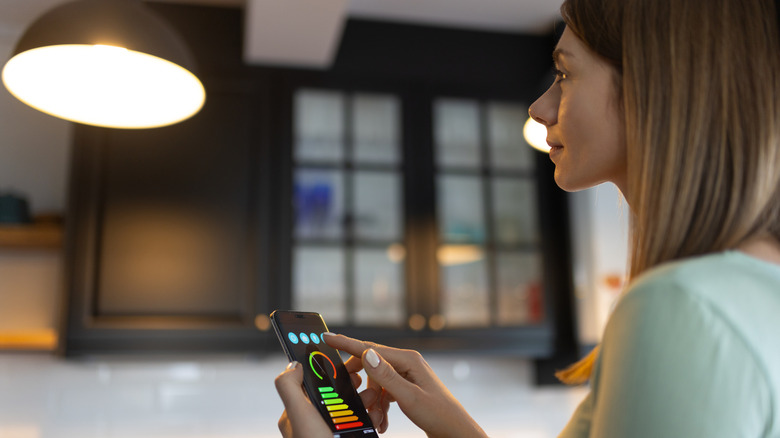
Using the best smart light bulbs is one of the easiest and cheapest ways to start making your home smarter. They offer features such as remote control via app, a voice assistant, and temperature, color, and brightness tweaking. They are also more affordable than ever and often don't need a hub to work, thanks to built-in Wi-Fi support for internet connectivity. So, if you're considering them as one of your budget smart home upgrades, you are bound to wonder whether that extra bit of high-tech in your lighting leads to a higher electricity consumption compared to a regular light bulb.
Yes, smart light bulbs use slightly more electricity than LED bulbs, but the difference in power consumption isn't very significant and can be compensated for with the proper use of smart features. If you compare the energy use of a smart LED bulb to that of a traditional incandescent bulb with similar brightness, though, smart bulbs actually use 80% less power. Similarly, smart bulbs are more power-efficient than compact fluorescent lamps. Let's explore the details of the power consumption of smart lamps.
Smart bulbs and their electricity consumption
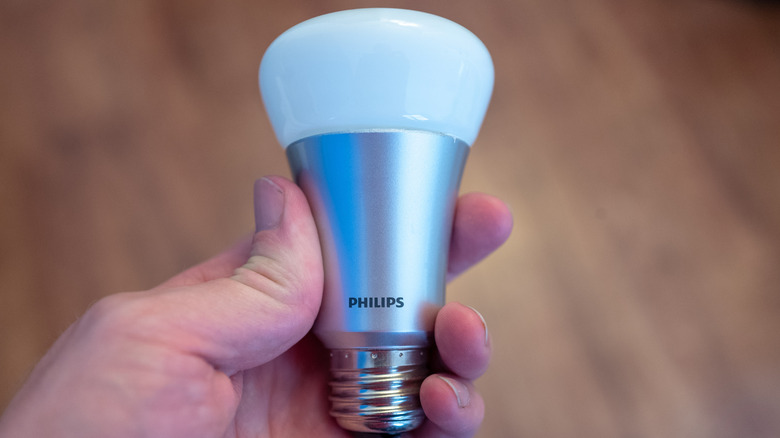
Smart bulbs are essentially LED bulbs with extra circuitry that enables wireless connectivity and other smart features. So, their power consumption when on is similar to a regular LED bulb; however, as the included tech also needs power to function, they consume slightly more power on standby. This bit of extra electricity consumption remains active even when the smart bulb is switched off from any source other than the power switch. This power, which is sometimes referred to as the vampire draw or phantom load, is surprisingly low, typically in the range of 0.2 watts and 0.5 watts, and is used to keep the connectivity chip and other smart hardware powered so that when you hit the switch on option in the app or tell Alexa to light up the smart bulb, it can execute the command.
So, even if you had 20 smart bulbs in your house, they would only consume about 10 watts of extra electricity at 0.5 watts each, which comes out to around 88 kilowatt-hours after one year. If we consider that the average cost of electricity is around 15 to 17 cents per kWh, you're only paying an extra from $11 to $13 per year. And for this value, you get plenty of added convenience.
Smart bulbs can end up saving you money
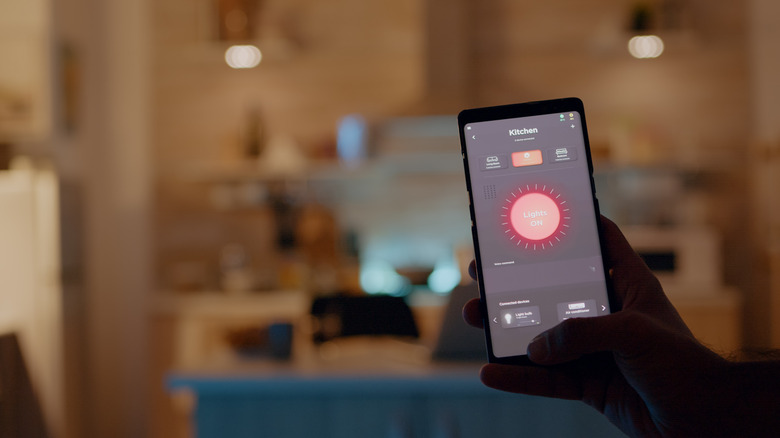
Despite the vampire draw, smart bulbs can actually be more power-efficient than regular LED bulbs in the long run, thanks to automation support and dimming. Rather than depending on you to turn them off like regular bulbs, smart bulbs can be scheduled to turn off and on at specific times. So, you are not wasting unnecessary power when you forget to switch them off because you're busy with other things. More importantly, if you incorporate compatible motion sensors in your smart home setup, you can configure many smart bulbs to turn off when they detect no motion in a space, which can further enhance your power savings.
Brightness dimming when you don't need the bulbs at full power also helps to conserve energy, and it's effortless with smart bulbs thanks to their app and voice assistant support. So, there is little reason, at least when looking at extra power consumption, not to consider an upgrade to a smart bulb. If the upfront costs of replacing all the lighting in your home seem high, you can always start small and add more as you have the budget or spot a deal.