

The Artemis II Astronauts Are Being Quarantined For A Very Important Reason
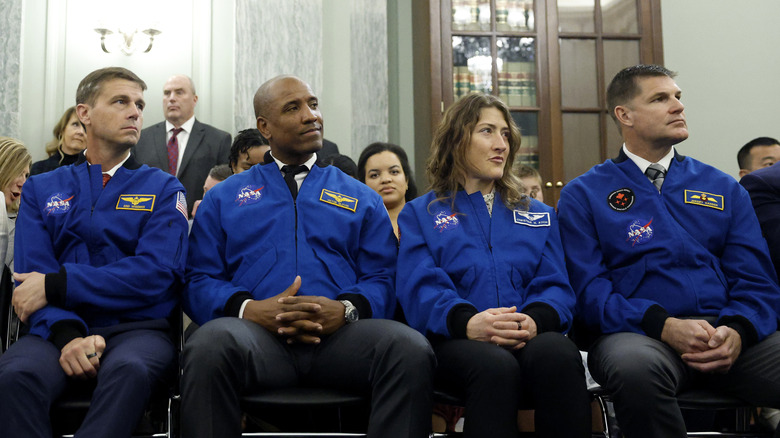
The four astronauts who are part of the historic Artemis II mission — which will be the first crewed mission to the moon in 50 years — have to enter a 14-day quarantine period before launch. The reason is quite simple. It's to ensure the astronauts do not get any illnesses, even supposedly minor ones, before beginning their mission. If NASA ever pushes a launch date back, then the astronauts are able to leave quarantine and must re-enter it the two weeks before the next estimated launch date.
While major illness may be a concern for any astronaut leading up to launch day, NASA treats even the smallest of viruses just as seriously. It's because these minor illnesses can have big impacts in space. For example, an astronaut who has the common cold may have trouble equalizing their ear pressure, thus inhibiting them from doing necessary spacewalks.
Astronaut quarantine takes place in a Houston facility. If the astronaut already lives in Houston, however, they can quarantine in their own home. After that period ends, then they go directly to the Kennedy Space Center in Florida for the launch. It is a high-pressure and deadline-driven time, and no one at NASA, especially the astronauts, wants anything to go wrong just because someone got sick.
Details of NASA's quarantine program
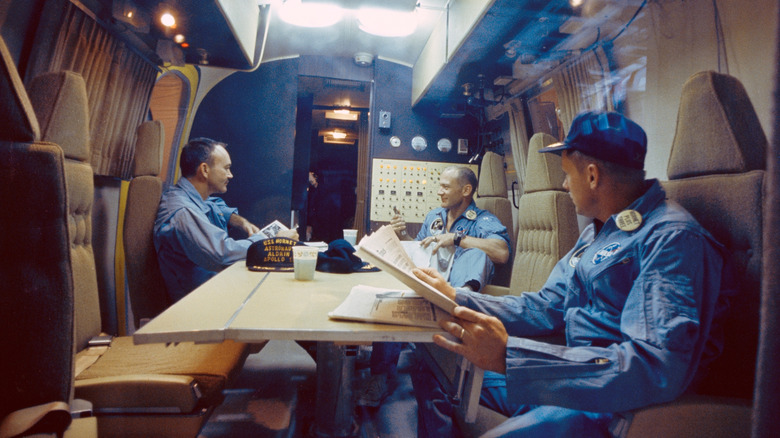
The NASA quarantine program is also known as the Health Stabilization Program (HSP). During this period, astronauts continue to train for their mission while also undergoing routine medical screenings. There is a lot to prepare for, whether undertaking a mission like Artemis II or heading to the International Space Station — which is ironically a breeding ground for never-before-seen bacteria.
The duration of the quarantine hasn't always been two weeks; it used to be 21 days. The period briefly went down to seven days, but as of this writing, NASA has landed on 14 days. During quarantine, astronauts are only allowed to interact with the NASA crew and their families. They must have a handful of immunizations, including COVID-19, influenza, polio, varicella (chicken pox), measles, and more. Prior to quarantine, the astronauts undergo an in-person health screening. Once quarantine begins, astronauts continue to get daily electronic-based medical screening.
Astronauts are, naturally, not allowed to leave quarantine. If they are in their Houston-based homes, they cannot go out in the town, any deliveries must be contactless, and others who live in the home with them also cannot leave the house for any in-person ventures. If they must interact with anyone outside of approved personnel, they have to wear a mask.
History of astronaut illnesses
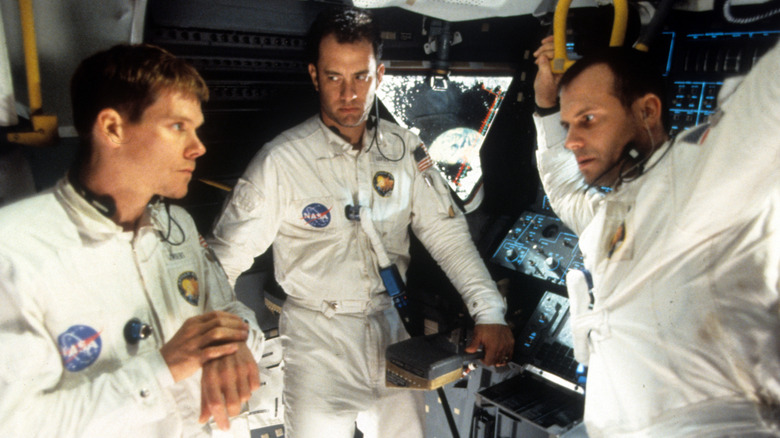
The early NASA Apollo missions were met with a handful of infection problems. Upper respiratory infections plagued more than one astronaut during the Apollo 7, 9, and 10 missions. Apollo 8 had three crew members sick with viral gastroenteritis. There were even two skin infections on Apollo 12.
One reason as to why ill astronauts are a concern is due to an incident with the Apollo 13 crew just days before they were set to go to space. Three weeks before launch, backup astronaut Charles M. Duke interacted with a child who came down with German measles, also known as rubella. Since Duke had interacted with other crew while still contagious, there was concern he would pass the illness onto them. All crew members were tested, and though no one other than Duke exhibited symptoms, Command Module Pilot Thomas K. "Ken" Mattingly had no immunity to the illness, based on his blood test results. Concerned he would get sick during the mission, Mattingly was replaced by a backup crew member.
Eyes will be on the Artemis II astronauts as they deal with quarantine regulations and avoid getting any type of illness leading up to this important launch. NASA has big plans for the future of space exploration, and the HSP is there to ensure all missions go according to plan, with no one getting sick while out in space.