

4 Problems NASA's Artemis II Still Has To Fix Still Before Its Launch
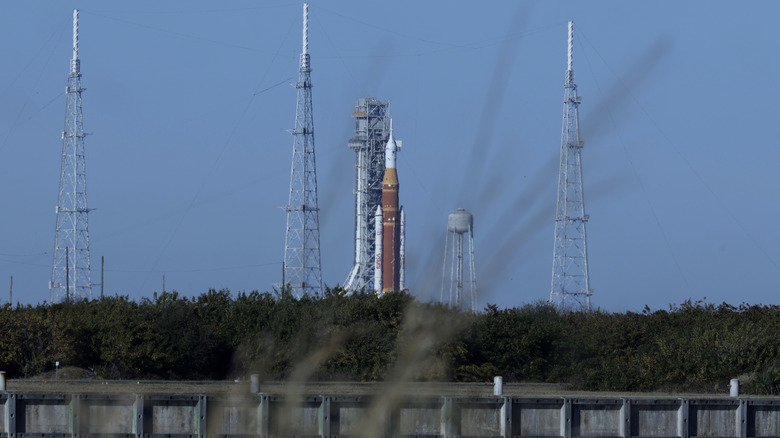
Humanity's impending return to the moon after more than 50 years has many excited about the prospect of Artemis II finally lifting off and setting out for the stars. However, as time grows closer and closer to the next moon-based mission, many are finding themselves more and more concerned about a few things surrounding Artemis II and its primary spacecraft, the Orion capsule.
There's no doubt that Artemis II's launch is a big one for NASA and humanity alike. And while it's good to be excited about what the mission will accomplish, it's also important that everything be tackled in a smart and safe way to ensure those astronauts come back home safe. While some of these issues also plagued the Artemis I mission, others have more recently appeared, continuing to paint the potential safety of Artemis II in a negative light.
In fact, NASA has already seen multiple issues pushing back the launch of Artemis II. NASA still hopes to launch the rocket sometime in March. However, the agency will need to address these issues in one way or another if it wants to launch without incident and ensure the safety of the four astronauts aboard. All of these problems, combined with the overall cost of the Artemis program, have led some to believe humanity's return to the moon might be doomed already.
Liquid hydrogen leaks
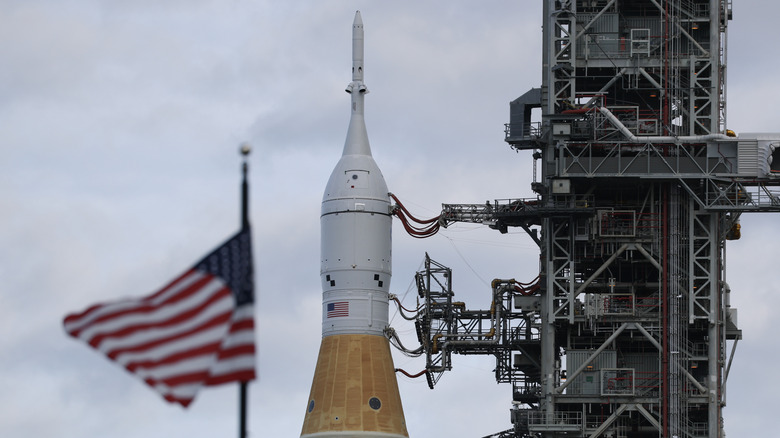
Fuel leaks are not uncommon in NASA's Space Launch System. This same kind of issue delayed NASA's Artemis I in 2022, leading NASA to completely change how it loads the super-cooled liquid hydrogen into the rocket before its launch. While that seemed to have fixed the issue for Artemis I, the leak once again popped up during dress rehearsals for Artemis II, sparking more concerns that NASA appears to be trying to work through.
The leaks themselves appear to originate from the area where the fueling lines on the ground support equipment connect to the bottom of the core stage of the rocket. These lines are meant to fill the rocket with liquid hydrogen and liquid oxygen during the countdown and then disconnect and retract to avoid causing issues for the launch. NASA tested the replaced seals, which led to another issue with the fuel's flow rate into the rocket before the agency ended the test early.
Additionally, that first rehearsal saw the gas concentrations around the fueling connection spiking up to 16%. This was a higher spike than the agency saw with Artemis I and was four times higher than NASA's limit for such issues. However, the agency has since raised it to 16%, effectively changing the rules to allow for the current leakage rate to be within "safe guidelines." It's important to note that the original 4% was a rule put in place during the Space Shuttle program, so it isn't wholly unexpected that NASA would increase it. Though the change does still raise some concerns because of its timing.
Communication problems and system glitches
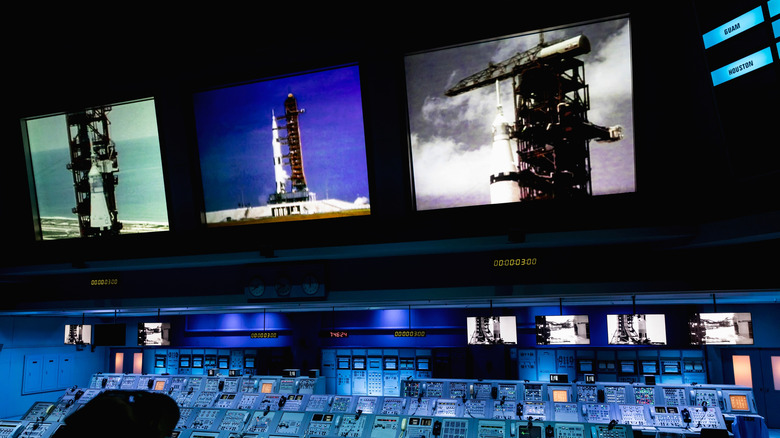
NASA's Artemis II has encountered other issues along the way. Specifically, at 11:11 a.m. on February 19, NASA reported that teams within the firing room at Kennedy Space Center had experienced a problem with ground communication systems, forcing them to transition to backup methods to maintain communications. Despite this issue, NASA continued with its rehearsal, eventually restoring those systems around 11:45 a.m. during the test.
Obviously, communicating with the astronauts aboard Artemis II is important, especially as they lift off and head into space for a multi-day journey around the moon. As such, it's very troubling to see communication issues popping up, especially after what happened with the entire Starliner fiasco, where NASA didn't tell astronauts how bad the situation was until afterwards. There are a lot of critical eyes on NASA right now, so hopefully it can figure out what caused the communication issue and ensure it doesn't pop up again.
Beyond the problem with communications, NASA also experienced a "booster avionics voltage anomaly," which caused the terminal countdown to be paused momentarily. No express details were given on exactly what caused the glitch — if NASA even has any idea yet — or how it might affect the launch if it were to pop up during the real deal. However, NASA continued the countdown and eventually reset everything shortly after the issue popped up. It was never stated whether the anomaly continued or if the system returned to normal voltages.
Heat shield integrity
Next up on the list of issues that NASA needs to address is the integrity of the heat shield on the Orion capsule, which is where astronauts will spend their time during their flight to the moon. When Artemis I launched in 2022, there was a lot of excitement around Orion and what it would be capable of. However, when the space capsule returned to Earth, NASA discovered the heat shield had degraded far more than expected.
While NASA claims that the degradation would not have led to any issues with the crew aboard the flight, it continues to raise questions about the ongoing safety of the capsule and NASA's Space Launch System as a whole. See, to create the heat shield for Orion, NASA looked at what it had done with the Apollo spacecraft and tried to recreate that. However, there are a few distinct changes.
For one, the heat shield on Orion is made up of several tiny plates put together instead of one massive honeycomb-like piece like the Apollo capsules used. This was mostly due to the size needed to cover Orion being much larger than the Apollo crafts, which forced NASA to change how it produced the AVCOAT blocks on Orion. Secondly, NASA has changed the re-entry trajectory, as it believes this may have exposed the Orion's heat shield to the atmosphere for too long, causing the cracking and char that was witnessed on Artemis I's return to Earth.
Spacesuit concerns

Finally, another issue plaguing not just Artemis II, but the Artemis lineup as a whole is the spacesuits that NASA has settled on for the missions. According to former astronauts, the Artemis missions have a very big issue with the Axiom Extravehicular Mobility Unit, or AxEMU, system that NASA plans to use for Artemis II and future Artemis missions.
Most of the issue comes down to the overall weight of the suits, which are reportedly heavier and bulkier than those worn by astronauts during the Apollo missions over 50 years ago. While that might not sound trivial, some experts like former NASA astronaut Kate Rubins (via ArsTechnica) have pointed out that the physical stress put on astronauts during missions like this is very high. Because of that, having a heavier, bulkier spacesuit is actually going to stress out the astronauts' bodies even more, especially since they'll likely spend more than 8 hours a day in the suits.
That isn't to say that the AxEMU suits won't do a lot of things right, though. They offer a lot of great features like improved mobility, an improved rear-entry system, as well as a custom fit to the astronaut assigned to them. However, they also weigh more than 300 pounds in Earth's gravity. While that will be much lighter on the moon, the original Apollo space suits were reportedly only 200 pounds, making these almost twice the weight. Astronauts aboard Artemis II will wear more specialized suits designed for when they are in the Orion capsule, but the concern still remains for Artemis II and future missions as a whole.