

The Steam Deck Might Have Just Increased In Price - And You're Going To Hate It
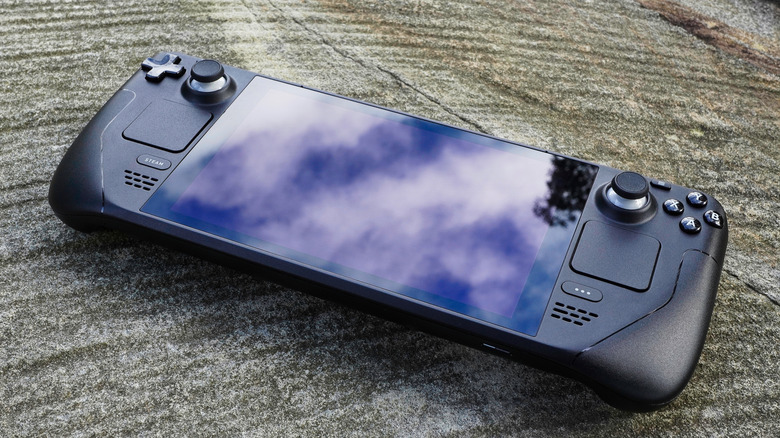
It seems that the memory shortage affecting prices of much PC tech hardware is also arriving on consoles, since Steam Deck prices have just gone up, at least for buyers in Asia. Komodo, the official distributor responsible for bringing Valve's handheld to Japan and other Asian markets, has announced a significant price increase across all models available in stores. The adjustment, roughly $100, is set to take effect on March 6, giving anyone interested in buying one a narrow window to get a unit at the current price point.
So if you're interested, the timing couldn't be more frustrating, since the demand for the Steam Deck OLED since its launch has been massive. This premium model of Valve's handheld has faced supply shortages many times, but now, this price hike lands when AI demand is warping supply chains and pricing. Data-center GPUs, high-end memory, and advanced packaging capacity have been under heavy pressure, with chipmakers repeatedly pointing to AI-driven constraints already causing RAM prices to skyrocket, making even products that aren't related to AI feel the effects.
What also matters in this price hike is what it means beyond Japan. The Steam Deck has always been one of the best on the handheld gaming console market, offering good performance for its price, which is lower than most rivals. But if this jump also spreads to other countries, since Steam Deck's stock is also drying out there, this could mean a higher entry barrier for players.
Komodo increases Steam Deck prices by $100 in Japan
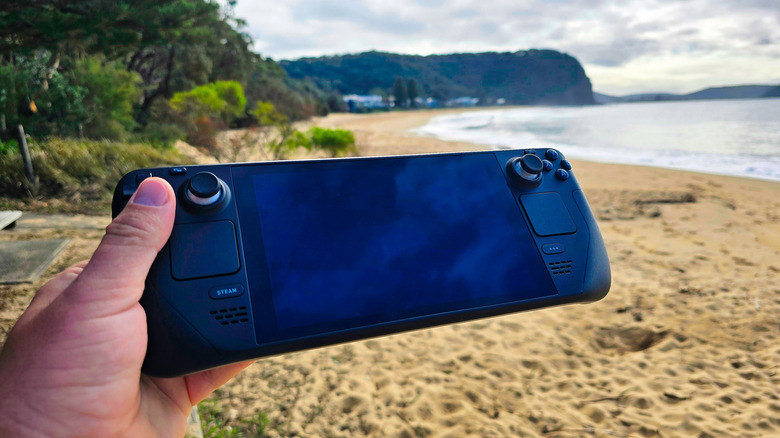
Komodo has confirmed a broad Steam Deck OLED price hike across many Asian territories, with Japan taking the biggest hit. Starting March 6, both versions with 512GB or 1TB will cost roughly $100 more than before. In Japan, the increase is ¥15,000: the 512GB OLED moves to ¥99,800 (up from ¥84,800), while the 1TB OLED climbs to ¥114,800 (up from ¥99,800).
Per Komodo, the reasons behind this price increase aren't related to RAM pricing, at least not directly. Instead, the distributor points to higher shipping and logistics costs, plus the rising expense of storage and handling the Steam Deck before it reaches consumers. Komodo also mentions currency volatility as another key factor, which can quickly swing margins in import-heavy markets.
Still, it's hard to ignore the bigger console trend forming in the background. Even if Komodo isn't blaming memory and other hardware component shortages, gamers are already watching AI-driven demand tighten parts of the supply chain, especially in areas like memory and GPUs, with Nvidia soon shifting from gaming to this new market. DRAM prices have already surged 171%, already making your computer cost more, so if that pressure eventually reaches Valve directly, Komodo's $100 Steam Deck price hike may end up looking like just the beginning.