

Pennsylvania's New License Plates Are Causing Toll Cameras To Malfunction
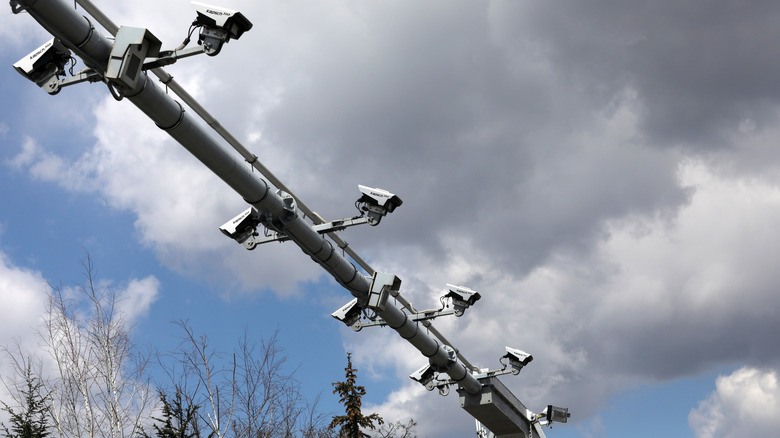
Design changes to the Pennsylvania license plate are causing people to receive wrongfully attributed bills or traffic fees. It all has to do with the automated toll and camera systems and the license plate recognition software powering them. To celebrate America's 250th birthday, the state license plate was refreshed to feature the Liberty Bell, a new slogan ("Let freedom ring"), and small changes for the overall style, which included altering the font for the numbers and lettering.
As a result of those changes, cameras and license recognition systems are reportedly reading the new 0 as the number 8, changing the final plate number and resulting in the wrong person or driver getting a bill. PennDOT has released a statement on the matter, explaining, "The addition of the slash through the zero was intended to help differentiate between the 0 and the letter O, which both the license plate readers (LPR) and human eye have had difficulty differentiating on past registration plates."
Automated cameras and recognition systems are the source of the problem here. There have long been concerns over their accuracy, and it certainly seems like there should be a system of checks and balances put in place before those bills or fines go out to potential drivers. A prescient idea considering one of the biggest U.S. cities is installing automated speed cameras to dole out hefty fines.
What is Pennsylvania doing to fix the inaccurate readings?
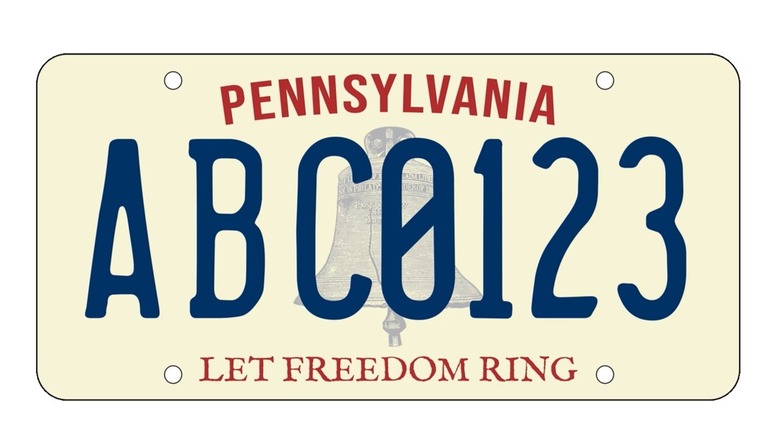
While the easiest solution would be to change the font on the plates, Pennsylvania is instead opting to recalibrate its systems and train the software to better detect the new character. PennDOT says the new plate "meets PennDOT production and legibility requirements and was developed in consultation with PA State Police (PSP) and the PA Turnpike (PTC)." In addition, the slash technique through the zero was a "best practice recommendation" from the American Association of Motor Vehicle Administrators (AAMVA).
The unfortunate issue is that the retraining process may not be as quick as everyone hopes. It takes time for the systems to build recognition data, which potentially means more people getting flagged and being sent bills that shouldn't be their responsibility. Pennsylvania officials say residents should double-check their toll-by-plate statements and, if they see anything that's inaccurate, contact the Turnpike Commission. Recognition and camera inaccuracies can be fairly common anywhere, actually. Cameras mounted too high or too far away, not properly maintained, or obscured by sunlight or lighting glare can give false readings. Moreover, there are a variety of factors that impact visual accuracy, such as lighting conditions, vehicle speeds, environmental elements or inclement weather, camera quality and, yes, license plate designs and their condition.
The technology as a whole has gotten better over time. Australian traffic cameras have the ability to tell when drivers are texting instead of paying attention. Researchers in the country may have also devised a system to detect drunk drivers and prevent accidents using camera footage and AI.