

The Samsung Galaxy S26 Ultra's Privacy Feature Makes Me Want To Ditch The iPhone
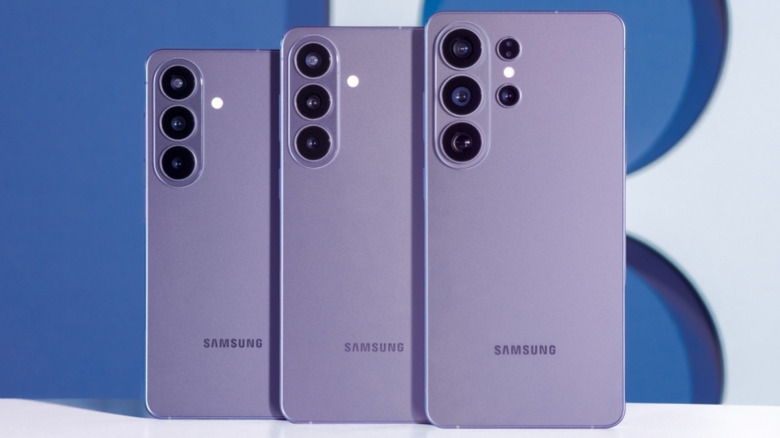
After months of rumors, Samsung finally introduced its new Galaxy S26 family, including the new Galaxy S26 Ultra. While the company added a few new design changes, such as a glass module to wrap the main cameras, an aluminum finish instead of titanium, and improved the chipset with new Snapdragon 8 Elite Gen 5 "For Galaxy," what makes this device so enticing is its new privacy display.
This feature has been widely rumored to land with the Galaxy S26 Ultra, and Samsung was also not shy to tease it over the past few months. However, now that it's actually being released as a product, the company's privacy display seems even more interesting than before. After all, it's a working product. According to the company, it's able to turn off some pixels on the display that are made to make it visible from all angles, which means that in some cases, the user will be the only person taking a look at the display. That said, instead of offering a privacy screen protector, Samsung was able to bring that technology built into its display.
Here's how Samsung privacy's display works
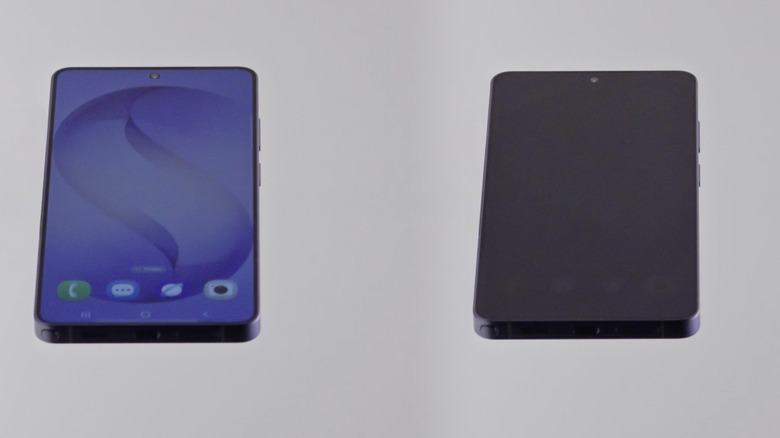
Samsung says there are two types of pixels on its displays. One emits light directly to the user's eyes while the other emits light to make it easier to view content from all angles. With the Privacy Display, users can decide if they want the entire display to be hard to see from all angles, just certain apps, or even just notifications. With this technology, Samsung feels to be revolutionizing privacy on the smartphone, as users can rest assured to open any message, app, or photo without worrying about others peeking, whether they're at home, at work, or commuting.
What makes this technology so interesting is that it doesn't make the display worse, nor does it need an accessory, as everything is built into the screen. Since Samsung can deactivate each pixel individually, it gives users control as precise as just a notification getting blurred while all the rest remain visible.
This feature is also great to prevent criminals from peeking at your password from a distance or people from taking a look at sensitive information without your permission. In other words, Samsung was able to make a tiny upgrade, the most important reason for customers to upgrade their phones to a Galaxy S26 Ultra.
Could the iPhone get a similar feature?
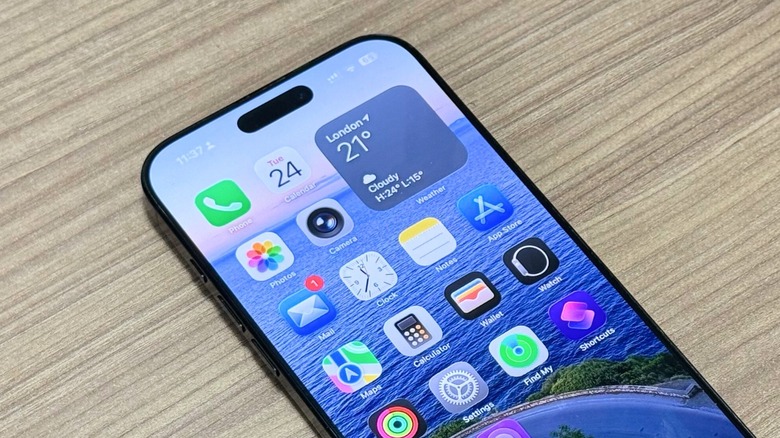
So far, rumors don't suggest Apple is working on a new display technology that could bring the same level of privacy to the iPhone. Most rumors talk about a smaller Dynamic Island, under-screen Face ID, and even a brighter display. While all of those features, combined with a more resistant panel introduced with the iPhone 17 models, make the iPhone always an enticing upgrade, it also gives the feeling that Apple is really behind Samsung on that specific feature.
After all, the past privacy functions introduced by Apple don't seem to address how exposed iPhone users are in public. For example, the company already has a hidden folder; it's now testing to offer Stolen Device Protection as an opt-out feature, instead of opt-in, but if you're opening your bank app on the streets, or you need to check a confidential e-mail, you just need to be extra careful. A few years back, the Wall Street Journal reported that criminals kept peeking at users' passcodes to then rob people; Apple's response was Stolen Device Protection, but it's not as effective as Samsung's Privacy Display.
I'm sure that just not me, but many iPhone users might have started to consider a different alternative just for the sake of having such a well-thought-out idea in their pockets, and if Apple doesn't do something in the near future, it might start losing high-end market customers to its competitors.