

Why Solar Panels Took Over Calculators (And Not Much Else)

Anyone who has taken a math class in school since the 1980s has probably used a solar calculator, even if they never realized it. The small, dark strip on the device's surface is a tiny solar panel that takes ambient light and converts it to electricity. Simpler calculators may rely only on light, while more advanced models can also have an internal power cell, allowing the solar panel to provide direct power and charge the battery.
For many, calculators were the first exposure to solar panels and the idea of clean, renewable energy in general. However, even decades since the first solar-powered calculators were released, this form of energy isn't close to being a primary power source. In 2023, just 3.9% of all electricity generated in the United States came from solar, being outmatched by other renewables like wind (10.2%) and hydropower (5.7%). It might seem strange that, of all things, calculators are so closely associated with solar power, but it makes sense when you understand some of the technology's limits.
Why calculators have solar panels
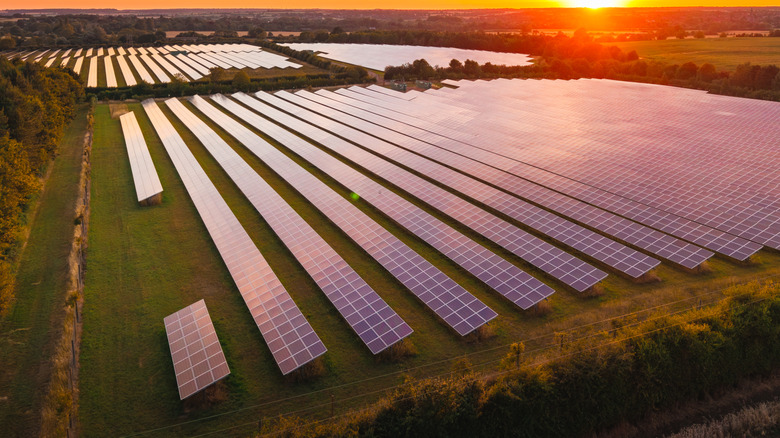
Calculators and other small electronics like TV remotes can use solar power because they don't require much energy to work. Generally, if the calculator's display is on, the panels are getting enough light to operate. On the other hand, something like a smartphone consumes far more energy, so would require panels larger than the device itself, making them impractical. The amount of open space needed for large solar farms to produce enough power for wider use is a major barrier to solar energy expansion.
The other issue is pretty obvious and has foiled solar projects in the past. Sunlight availability is inconsistent, and depends on location, time of day, and weather. There's progress being made on this front, such as new solar panels that can generate electricity in the dark, but at the moment, solar power isn't ideal for technology more complicated than simple devices like calculators.