

5 Challenges Apple's New CEO John Ternus Will Face
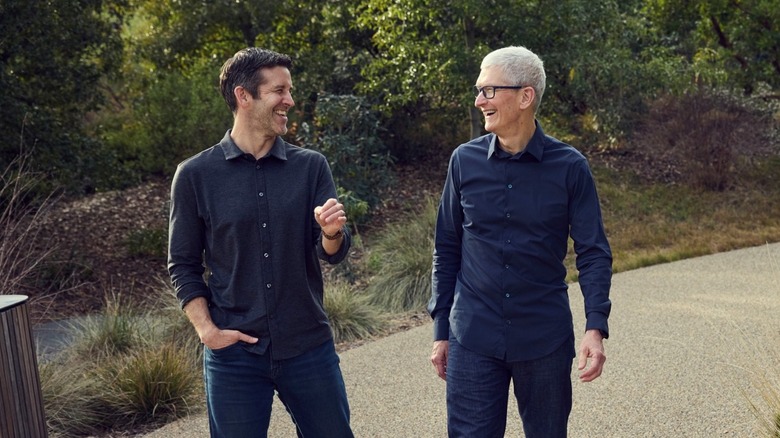
On September 1, 2026, Apple CEO Tim Cook will step down from his role. Cook became the company's CEO back in August 2011, a few months before Steve Jobs' passing. Under Cook's leadership, Apple has maintained its status as one of the highest-valued tech companies in the world, with the company having achieved a market value of $4 trillion in 2025. Apple has also expanded its product offerings, navigated significant political hurdles, and adapted to supply chain issues with Cook at the helm. Taking his place as the new face of the company is John Ternus, who currently serves as the Senior Vice President of Hardware Engineering at Apple.
Ternus has played a critical part in some of Apple's most important developmental milestones, including the start of the iPad and AirPods product lines, the transition from Intel chips to Apple's own silicon chips on Macs, and the MacBook Neo rollout. While Cook's roots lie in operations, Ternus has backgrounds in hardware and product design, meaning Apple will once again be led by someone with deep technical expertise. Not only that, but according to a recent Bloomberg report, Ternus' leadership style differs from that of Cook's; per unnamed, long-standing coworkers, Ternus is "willing to make clear calls," which juxtaposes "Cook's more deliberative, consensus-oriented approach."
However, despite his decisive nature, the CEO-to-be can expect several challenges ahead of him — like convincing users that the new Siri is up to scratch, securing Apple's success in new product categories, and overseeing the future direction of the company's flagship product, the iPhone, among other things.
The new Siri and AI
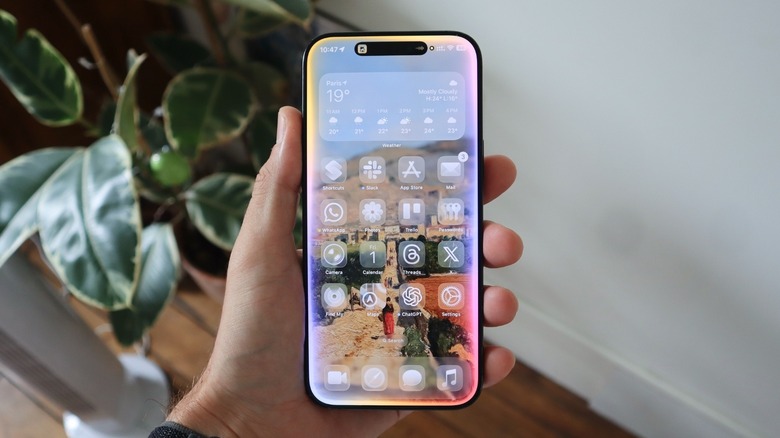
Tim Cook stepped in as Apple's CEO just after Steve Jobs had introduced the iPhone 4S with Siri compatibility. At that time, Siri's on-demand ability to check the weather, jot down calendar appointments, make calls, and complete other tasks on behalf of users was innovative. As the years passed, however, Siri lagged behind competing speech recognition tools, namely Amazon's Alexa and Google Assistant, in terms of functionality and external product integrations. With a new wave of LLM-powered personal assistants upon us, Apple must upgrade its vision of iPhone AI to build a compelling product alternative.
At Apple's Worldwide Developers Conference (WWDC) in 2024, the company unveiled Apple Intelligence and previewed a version of Siri that could answer personalized queries by tapping into user-specific data and content, but it never got released. Following persistent delays, the company eventually partnered with Google to power Siri with Gemini. The fruits of that partnership are expected to be revealed at the WWDC 2026 keynote. However, the updated feature will only be available later this fall, once John Ternus has already become Apple's CEO.
Not only will Ternus be responsible for the new Siri's success, but he'll also need to lead Apple's course in the burgeoning world of AI. Ternus will be the one to decide whether the company leans into further AI-based development, up to and including packaging agentic AI systems into upcoming Apple products and software updates, whether for iPhones, iPads, or Macs.
Making Apple successful in new product categories
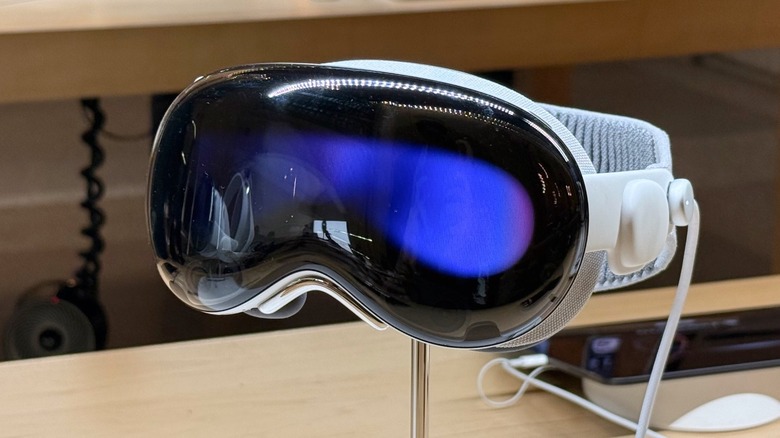
Under Ternus, Apple may see growth from completely new ventures — if the rumors turn out to be true, Apple has several new products in tow that may release sooner than expected. These include a tabletop smart home hub, the iPhone Fold, smart AR glasses, and even a touchscreen MacBook Pro, all of which are expected to hit the market later this year or in early 2027. That said, Apple isn't typically the first to start new product categories itself; historically, the company has waited to release product lines so it can outperform its competition, as it did in the smartphone, tablet, and wearable markets with the iPhone, iPad, and Apple Watch, respectively. Moreover, Apple hasn't invested as much in AI development as its competitors have, and this may impact the company's ability to innovate and excel in the realm of emerging consumer tech.
With countless other tech giants funneling cash into AI, AR, robots, and wearables, Ternus may follow suit by steering Apple's investments further into these territories. Should he do that, however, he may have to pivot the company's efforts away from existing products. Apple ended the iconic iPod brand once it discontinued production of the iPod Touch under Tim Cook, which was done in response to the growing popularity of streaming services. In tandem with this move, it also axed the classic iTunes software and began redirecting users to Apple Music, Apple Podcasts, and Apple TV instead. In a similar fashion, Ternus may have to modify Apple's existing product offerings to adapt to the broader tech landscape.
Overcoming political hurdles
What's helped make Apple the resilient company it is today is its ability to withstand political turbulence and adapt to government demands. Over the past decade, Apple has faced scrutiny and fines from governments and regulatory agencies across the globe, and one significant consequence of that was the App Store having to change its policies numerous times over the years.
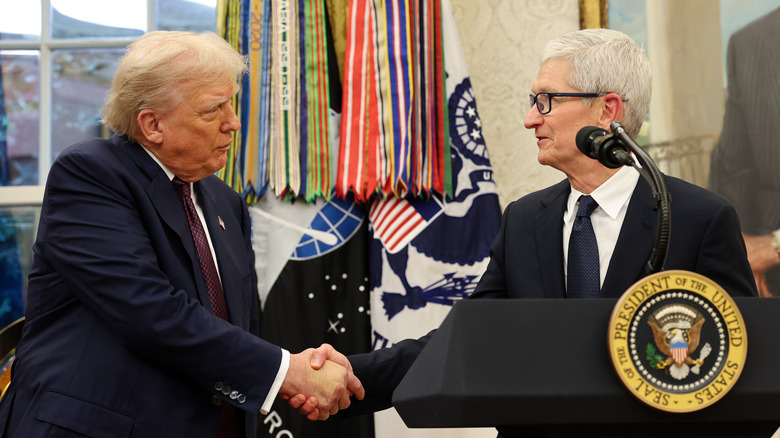
Cook deepened Apple's ties with China starting from the beginning of his tenure at the company. However, Apple has also had to adjust device features in the Chinese market to comply with the Chinese Communist Party's requirements. Such adjustments include restricting AirDrops to everyone to last for only 10 minutes and delaying the rollout of Apple Intelligence pending approval from Chinese regulators. Cook has also managed complex relationships with world leaders, including U.S. President Donald Trump. During Trump's second term, Cook helped Apple navigate government tariffs via concerted strategic efforts, including leveraging symbolic gestures and promising significant investments in the U.S. economy.
While Cook will continue to be involved in Apple's affairs as an executive chairman of the board, Ternus will have to learn to enact the same degrees of diplomacy — and maintain the same high-profile business relationships — while being the face of Apple. He will also have to begin managing supply chains, new regulations from the EU and other regions, and internal political affairs.
Defining the future of the iPhone
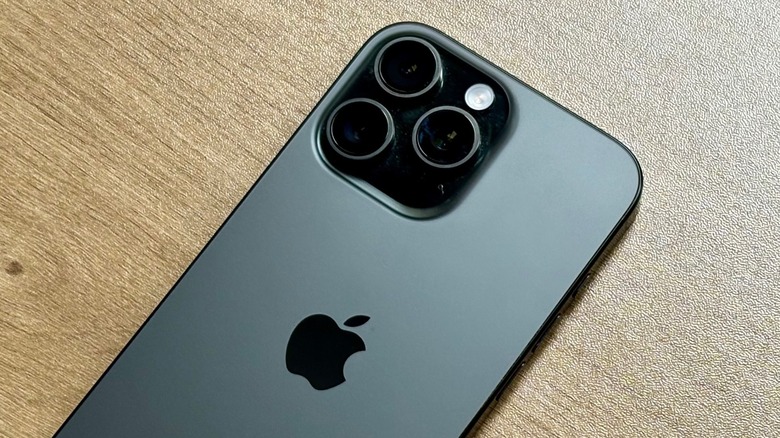
If the company's history is any indicator, Apple will adopt (and set new standards for) forthcoming evolutions in consumer tech, and that includes smartphones. It's hard to imagine that Apple would ever do away with the iPhone, but as we approach its 20th anniversary, it's only natural to wonder how long the brand will persist in its current state — especially if digital technology, namely AI, continues to develop at the rate that it has.
One top Apple executive stated he doesn't believe the iPhone will be around for another decade. In one interview with Nikias Molina on YouTube, however, Cook asserted that the iPhone is "not going away" and will "continue to be the center of people's digital lives." Although Cook was responsible for diversifying Apple's earnings, iPhone sales still accounted for half of the company's revenue in 2025.
Rival companies' hefty investments in AI and wearable tech could usher in new forms of mobile technology, and as a result, the future "iPhone" may not end up being a phone at all. It could come in the form of a ring, a pair of glasses, or perhaps even a smart jacket. Ultimately, Ternus will be the one to determine how the iPhone does (or doesn't) change over time. Given his technical background, his prospective leadership almost guarantees that the iPhone we know today will be quite different from the iPhone of 2040.
Rebuilding Apple's executive leadership and top talent
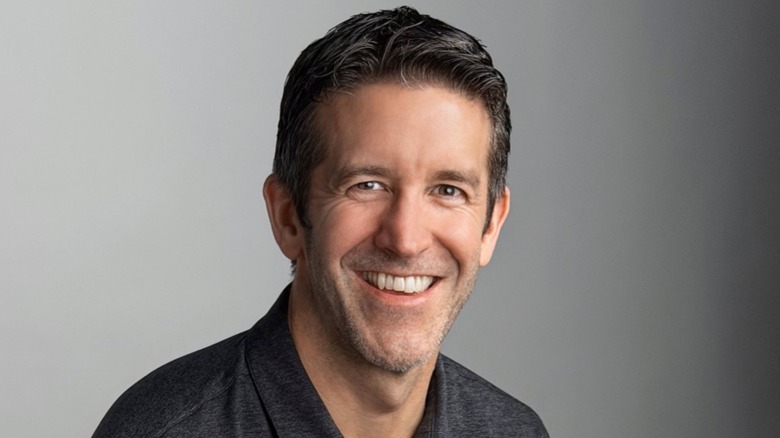
In the past year, several top Apple executives have either changed roles or departed from the company altogether. For example, Apple's long-standing CFO, Luca Maestri, stepped out of his role to become the company's Vice President of Corporate Services in January 2025. Then, in November 2025, former COO Jeff Williams — who oversaw the company's global operations, supply chains, and even the development of the Apple Watch — retired after having spent 27 years at Apple. Lisa Jackson, Apple's former Vice President of Environment, Policy, and Social Initiatives behind the mission to make Apple carbon neutral by 2030, also retired in early 2026. Vice President of Human Interface Alan Dye, Senior Vice President and General Counsel Kate Adams, and Senior Vice President of Machine Learning and AI Strategy John Giannandrea also left the company in recent months.
With so many key Apple figureheads who reported to Cook having exited the company in quick succession, Ternus will have opportunities to promote trusted, familiar team members into bigger leadership roles. At the same time, he'll have to establish his own dynamics with Apple's remaining executives and prepare for the possibility that other senior leaders may retire in the coming years, such as Senior Vice President of Services and Health Eddy Cue, Senior Vice President of Worldwide Marketing Greg "Joz" Joswiak, and Senior Vice President of Software Engineering Craig Federighi, among others.
Apple has also been losing its top talent to OpenAI, Meta, Google, and other companies. One of the biggest challenges Ternus will face is to both retain Apple's existing talent and acquire new talent, all the while reconfiguring — and being at the helm of — the company's leadership team.