

Does Your Nintendo Switch Really Need A Screen Protector?
We may receive a commission on purchases made from links.
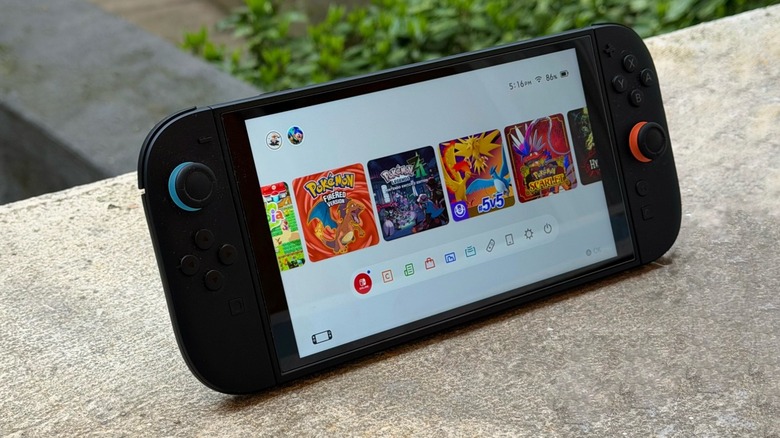
If you want to keep your Nintendo Switch as good as new for years to come, you should really consider getting a screen protector. The device's hybrid handheld and home console design introduced by Nintendo almost a decade ago is what makes Nintendo Switch so unique compared to other gaming consoles — and it's proven to be really popular. However, the one downside is that our display might scratch from placing and removing the device from the dock. Users in multiple Reddit threads and discussion forums reported such an issue when constantly switching between both modes.
One Reddit user claims Nintendo doesn't use a very good scratch-resistant display. "It uses a low grade plastic 'protector' that can scratch from just dust. I have two giant scratches on the bottom of my screen, and it could only be from it slightly going against the dock." JerryRigEverything's channel on YouTube shows how the screens of every Nintendo Switch model, including the Switch 2, can be scratched by anything made of metal. They're all more prone to scratches than a smartphone screen.
I never wanted to take a risk. That's why when I bought the original Switch way back in 2017, I immediately put a screen protector on it. A few years later, when I upgraded to the OLED model, I did the same. With the Nintendo Switch 2, released in mid-2025, guess what? I also applied a screen protector — a fancy one — from Belkin's new Nintendo Switch 2 lineup of accessories.
The main reason your Nintendo Switch needs a screen protector, and when to avoid it
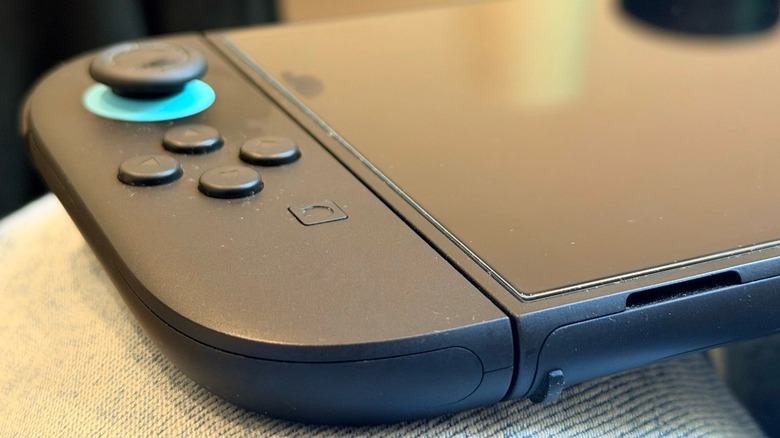
While I wouldn't recommend you to skip using a screen protector on the Switch — and my opinion is shared by several owners as well — I think there's one acceptable reason not to invest on this accessory: if you never remove the console from its dock. However, if you play your Nintendo Switch as a handheld, carry it around in countless trips with a carrying case, or just keep switching between modes, then a screen protector is fundamental.
The Nintendo Switch consoles have been available for almost a decade, and it still scares me that Nintendo never fixed the Switch dock issue that may cause it to scratch the console's display. In a very old Reddit thread, one user points out how easily they scratched their Nintendo Switch: "I only took it off the dock twice. I think the scratch came from when I missed the charger port and had to move the Switch around so it could dock properly."
Combining this with known drift issues for the Joy-Cons and the buttons getting dirty after months of usage, it feels like the Nintendo Switch is a lot more fragile than many are willing to admit. If you want your console to look as good as new even after years of usage, you should always have a screen protector.
The screen protector does more than protecting your screen
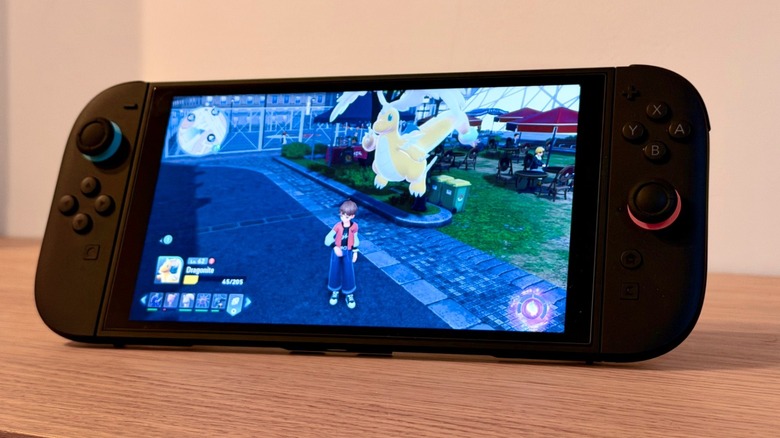
Belkin's TemperedGlass anti-reflective screen protector I've been using on my Nintendo Switch 2 for almost a year is usually available for $24.99. This protector ensures I'm not missing any detail from the Switch's display, but its tempered glass is also great to protect my console against scratches and smudges. It features 9H pencil hardness rating, which means it features the highest protection level of this standard. And what makes it really special is the anti-reflective coat that makes using the Nintendo Switch 2 both inside or outdoors a lot better, as it removes a lot of the display's glare.
The company also offers a blue light filter screen protector that costs $29.99. This screen protector is especially useful for those playing long sessions in handheld mode, as it can reduce 60% of blue light, which improves eye comfort in the long term. It comes with a microfiber cloth to keep the screen clean. The protector is very thin and offers the same scratch and smudge resistance from the other model.
Obviously, besides Belkin, several other players make Nintendo Switch and Nintendo Switch 2 screen protectors. Amazon's top-selling screen protectors include an amFilm option for the original Switch, Orzly for the Nintendo Switch Lite, and Ivoler for the Nintendo Switch 2. All of them feature thousands of positive reviews from customers.