

Will The iPhone Ever Bring Back 3D Touch?
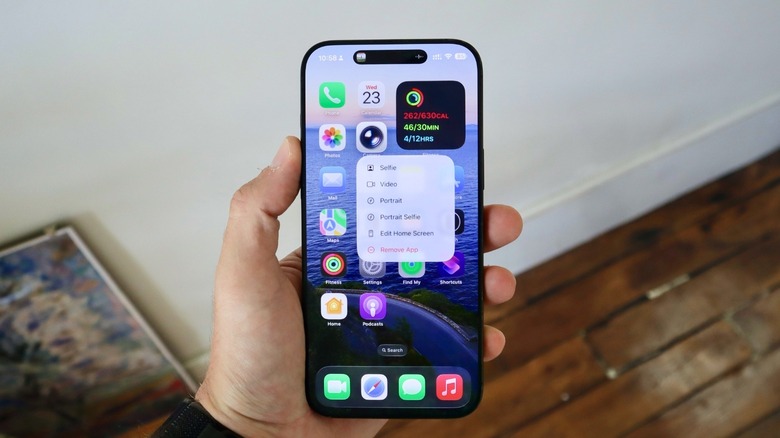
Apple introduced the 3D Touch technology on the iPhone 6S in 2015 and removed it on the iPhone 11 models in 2019. The company then removed support for this feature even for iPhones that supported it, with the release of iOS 13 and iOS 14. As of 2026, there's no indication that Apple will even bring back 3D Touch or even implement it on a new iPhone model.
3D Touch was one of those neat technologies that never caught up. Even though Apple heavily promoted this layer of interaction, which pretty much relied on "peek and pop" touches depending on the pressure you'd apply to the screen while interacting with an app or UI element, it was never fully implemented by developers, nor people were aware of it. For example, I can't count the times I showed a person a 3D Touch interaction on an iPhone 8, iPhone X, or iPhone XS years ago, and they told me, "Wow, I didn't know my iPhone could do that."
While Apple never gave an official answer on why it abandoned 3D Touch technology, it's possible that production costs, in addition to the lack of usage, didn't make this feature enticing enough to carry on to newer models. Instead, the company focused on adding a bigger battery, Always-On Display, and ProMotion technology.
Should Apple bring 3D Touch back?
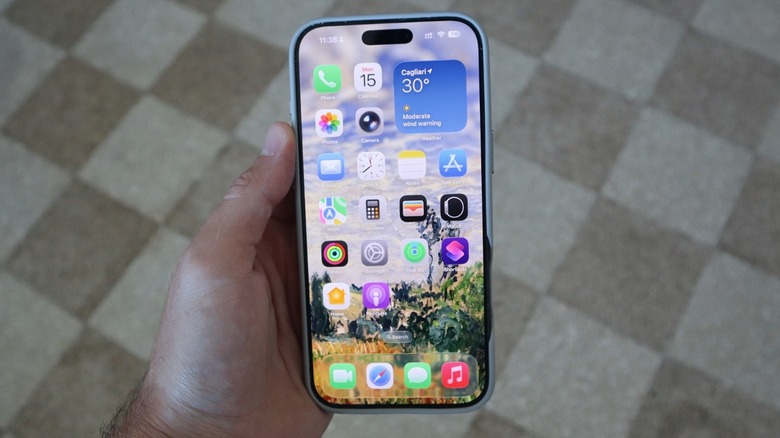
I was a big 3D Touch enthusiast, as many peers in the industry. However, like the Touch Bar on the MacBook Pro, it seems this was something only a very niche audience was interested in, and carrying it forward wasn't a good call. Truth be told, some of the most useful 3D Touch features are still available on today's iPhones through long-press interactions. You can long-press a link to see a preview, long-press an app icon to get quick shortcut actions, or do the same to preview a photo or a video.
One thing that is gone is gaming gimmicks. One of my favorite games on iOS, Alto's Adventure, supported 3D Touch interactions, and you could activate or deactivate a flying suit using this extra feature. Aside from this game (and others that I'm sure offer something similar), there was no reason for Apple to keep this technology around.
Apple even decided to remove a similar feature on newer Apple Watch models, Force Touch, which had been popular among users. While many weren't happy about Apple's decision at the time, customers eventually got used to the new gestures introduced with watchOS 10 and carried on with their lives.
Camera Control might face the same fate as 3D Touch
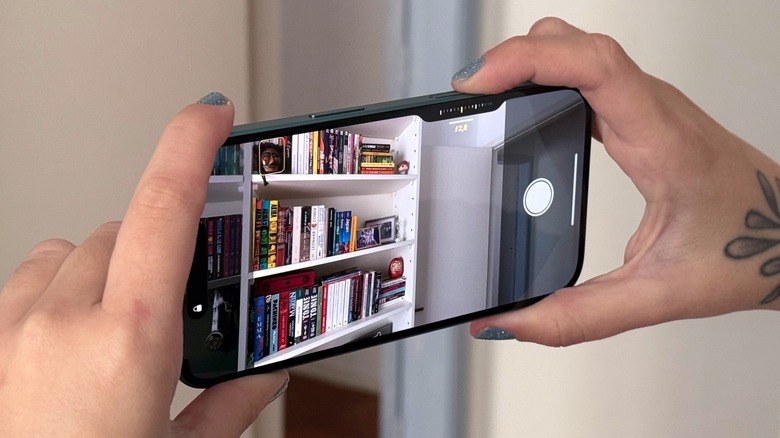
On iPhones 16 and 17 models, Apple introduced Camera Control, which is a button that sits below the Side Button and allows you to control your iPhone camera. It uses a technology similar to 3D Touch, as there are different kinds of press actions users can perform to switch between camera settings, lenses, and so on. With Camera Control, users can slide their finger to adjust balance, zoom, photographic style, exposure, and so on, and by pressing it twice with moderate pressure, they can switch between these settings.
Two years after Apple introduced this technology, I still find it quite unreliable to use the slide and double mid-clicks on Camera Control and, apparently, I'm not alone. Rumors suggest that Apple is going to tweak the Camera Control on the iPhone 18. One of the reasons could be production costs, as the company already has to deal with a global memory shortage crisis. However, The Information also says Apple wants to remove the capacitive layer on newer models because users never understood how to properly use this feature.
That's why Camera Control wouldn't have slide functionalities, and users would only get pressure sensitivity when taking photos. If Apple follows the trend of previous features, it's very likely that even the Camera Control will become a more streamlined experience for consistency, even though that means losing an extra layer of interaction.