

Google Is Releasing 32 Million Mosquitoes In Two US States - Here's Why
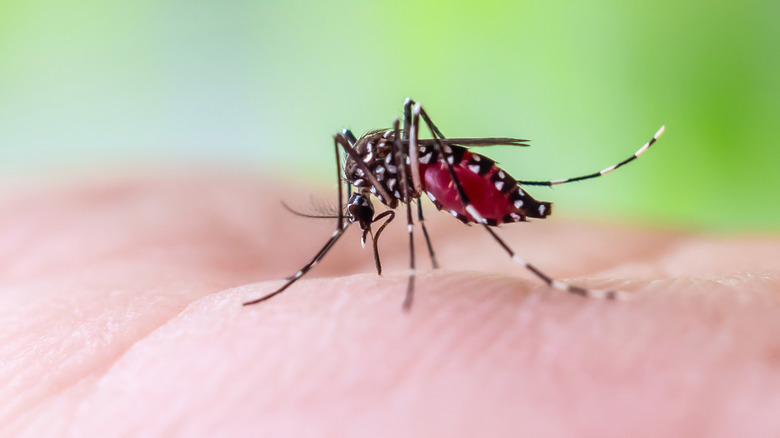
On the surface it sounds like a truly abominable idea, even a crime against humanity, loosing millions of bloodsucking insects across California and Florida. Depending on your level of cynicism regarding big tech, it may also sound like exactly the kind of behavior you expect from Google, which hasn't always been proven to have its user's best interests at heart.
However, unleashing millions of mosquitoes may actually be a good idea. The release is part of Alphabet's cheekily-named Debug Program, and the idea is actually to eventually decrease the mosquito population.
To clarify, the company isn't just releasing millions of random bugs; these specific mosquitoes are all males infected with a bacteria called Wolbachia that renders them sterile. When they attempt to breed with females in the native population, the resultant eggs won't hatch, and those females won't have the opportunity to breed with fertile males and produce viable eggs.
The insect science at the heart of Debug

The overarching goal of the Debug Program is not just to reduce the mosquito population, but also mitigate the spread of mosquito-borne diseases, nasty stuff like dengue, Zika, yellow fever, chikungunya, West Nile virus, and St. Louis encephalitis. The males are infected with Wolbachia bacteria, rendering their sperm incompatible with the eggs of uninfected females. The embryo fails to develop properly, so no viable offspring are produced.
Another nice side effect of all the released mosquitoes being males is that male mosquitoes don't bite. Also, Wolbachia is a naturally occurring bacteria, meaning no genetic modification is required, and it's considered harmless to humans and animals. Scientists at the World Mosquito Program, who have deployed Wolbachia to reduce mosquito populations, discovered that the bacteria blocks the development of dengue, chikungunya and Zika in mosquitoes.
Over time, as infected males breed with uninfected females, the overall mosquito population should decrease. Google says the method is based on a technique called the Sterile Insect Technique (SIT) that's existed since the mid-20th century and been successfully deployed to reduce the population of insects like fruit flies.
The Program Debug timeline

Google plans to launch Debug in a number of stages, starting with strategizing how best to deploy Wolbachia-infected mosquitoes. Next, it'll use automated systems to rear the tens of millions of mosquitoes necessary to have a significant impact on the wild population. The next phase involves separating the mosquitoes by gender, so only males will be released, followed by the release itself.
It's then a matter of watching and waiting. Other Wolbachia-based mosquito suppression techniques have yielded results in three to six months after the initial release. They've also demonstrated impressive results in disease prevention, with the World Mosquito Program reporting an 89 percent decrease in dengue in a trial in Niterói, Rio de Janeiro.
However, unlike the technique used by the World Mosquito Program, which is self-sustaining once established and has been shown to still be effective even a decade after the initial deployment, Google's method will likely require repeated "maintenance" releases. Without follow-ups, mosquito populations are predicted to eventually return to pre-release levels.