

Emmy Rossum's New Serial Killer Show Is A Ferociously Good Time On Hulu
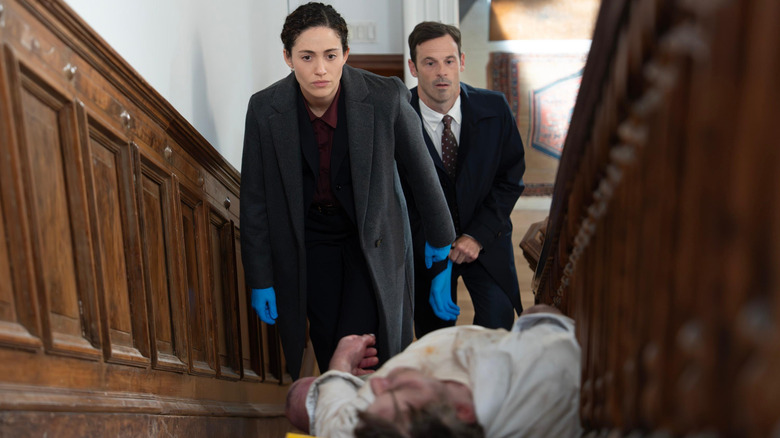
I love being part of the ascension of a TV show that's slowly becoming more popular before turning into a legit hit. I don't know whether Elizabeth Meriwether's latest series on Hulu, "Furious," will get there, but I sure hope so. What I do know is that the eight-episode show debuted on Rotten Tomatoes with a 100% rating (before losing that perfect score to one negative review), and this is one of those rare cases when I completely side with the critical consensus.
As a showrunner, Meriwether has a solid track record with previous successes like "New Girl," "Single Parents," and "Dying for Sex," which all fall on the more light-hearted side of modern television (the exception being her "The Dropout" miniseries on Elizabeth Holmes and Theranos). "Furious" — another diversion from the comedies and dramedies — is nothing like those shows. The Emmy Rossum-led crime drama is a dead-serious, profound, and trauma-laden story about tough and abused women.
The plot revolves around a suspected female serial killer who targets specific men to violently toy with before eventually murdering them in cold blood. Her name is Catherine (played by Lola Petticrew with a ferocious femme fatale energy), and she's on a calculated, rage-fueled mission. It's Rossum's Alice, a cop turned FBI agent, who makes the connections between the victims and identifies an M.O. that tells authorities that they're after one killer. Similarly to Catherine's past, Alice has her own history with abuse since her ex, a former colleague and police officer (Jake Lacy), used to brutally beat her. And as she obsessively investigates the case of Catherine, she slowly learns that they're more alike than she would've thought.
An uncompromising, emotionally complex, and candid exploration of victimhood
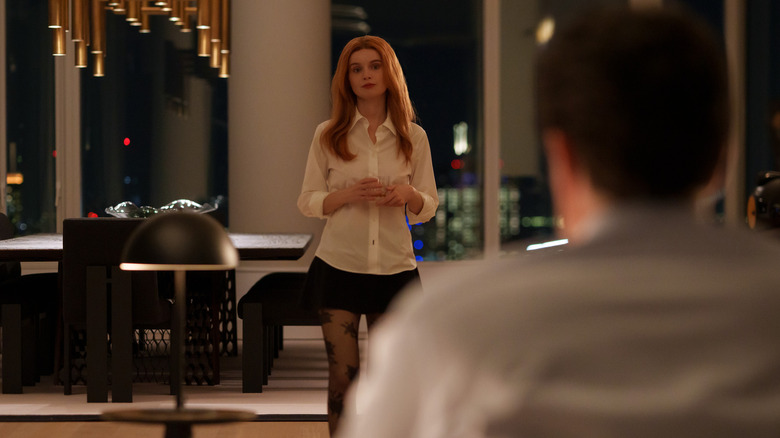
"Furious" is slightly different from the most prestigious serial killer shows like "Mindhunter," "True Detective," or "Dexter," while it also shares some of the same structural and fundamental elements found in those. The murders are elaborate and graphic — and their investigation is as absorbing as ever — but Meriwether's main focus lies in exploring the victimhood of women (who were exploited physically, sexually, and emotionally) and their feelings influenced by the abuse they suffered; rage and anger being the most dominant. That's not to say that the hierarchies, intricacies, and gender politics within such official forces as the police and FBI are neglected, though. In fact, they play right into the social dynamics of these female characters regardless of which side of the law they reside on.
The one crucial difference in "Furious," however, is that it follows a female serial killer who, instead of becoming more and more repulsive, amoral, and sickening, begins to earn your sympathy the further the story goes. Don't get me wrong, that doesn't mean she isn't a mentally disturbed individual, but her motivations and actions (in light of her background and upbringing) make sense in a way that's easy to comprehend and relate to.
She doesn't kill out of perversion or a deviant sexual desire that most male serial killers are driven by. Her murders are motivated by injustice, which is a pivotal part of the series four episodes in. Aligning with that is Alice's past and how she was practically ostracized from her police squad after she came clean about the bruises on her face and body. When she meets Agent Washington (Quincy Tyler Bernstine), a burnout alcoholic dealing with child pornography and other haunting cases, things get even heavier and more heated.
Furious is not for the faint-hearted
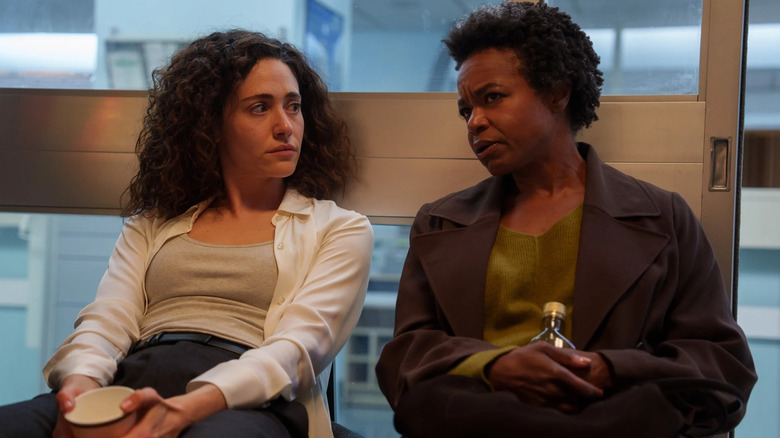
At halfway through (new episodes premiere every Monday till August 31), it's pretty clear that "Furious" isn't just about (rightfully) angry women but also a podium on which that rage (and its many causes) can be fully examined. Naturally, there's a lot of trauma attached to each character that can be hard to stomach at times (and probably there's more to come in the second half), but that's a necessary evil here for the show to be as captivating and visceral as it unapologetically is.
Meriwether's approach never feels exploitative or distasteful but strictly in service of her characters' development, fleshing out their inner maps in painstaking detail. Frankly, it's exhilarating to watch a serial killer show focused primarily on women who don't hold anything back. Besides the sharp writing and direction, the performances are also top tier. Since "Shameless," this is the first time Rossum gets to shine in her full glory again, displaying every inch of her impressive range with an unwavering charisma and toughness that nearly break through the screen.
And her co-stars, from Petticrew to Bernstine to Lacy and Scoot McNairy, all prove to be equally convincing. If the series manages to sustain its stupendous suspense, flair, and sharpness in the back half, I have no doubt that "Furious" can become one of the best shows of the summer, if not the year. If you've been sleeping on it till now, get your head in the game and start watching because this is appointment television — even if the memo hasn't been sent out yet.