

The Big Problem With Buying A New Phone Every Year
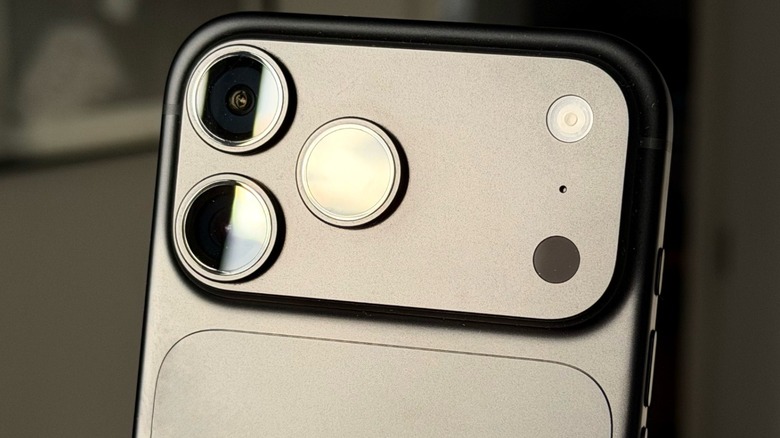
Buying a phone every year can be enticing, but as technology improves, the upgrade cycles tend to grow longer. As smartphones become more advanced, there's simply no reason to upgrade to a new one every 12 months. The biggest problem with buying a new phone every year is that the technology doesn't keep up with users' desires, software support lasts longer, and products get more expensive.
Take the iPhone, for example: Apple launched the iPhone 17 in late 2025 for $799. With the ongoing memory crisis, even without the iPhone 18, the 17 got a price hike in September 2026 to $899. For the Pro models, Apple raised prices by another $100, but in other regions, the price increase was a lot steeper — in France, an iPhone 17 went from around 799 euros to over 1,100 euros. Whenever the company releases a new phone, it's always tackling a few generations behind — usually a four-year gap.
Comparatively, iPhone 14 users would be getting an improved camera system in all lenses, a processor a lot more responsive, all-new Apple Intelligence features, a new aluminum design with a more resistant display, in addition to other whistles and bells. Still, what users will likely notice the most, besides the cameras, is a longer battery life — especially after holding onto an iPhone for that long. Upgrading every year just gets you to spend more money for incremental upgrades.
What if I decide to upgrade to a phone every year
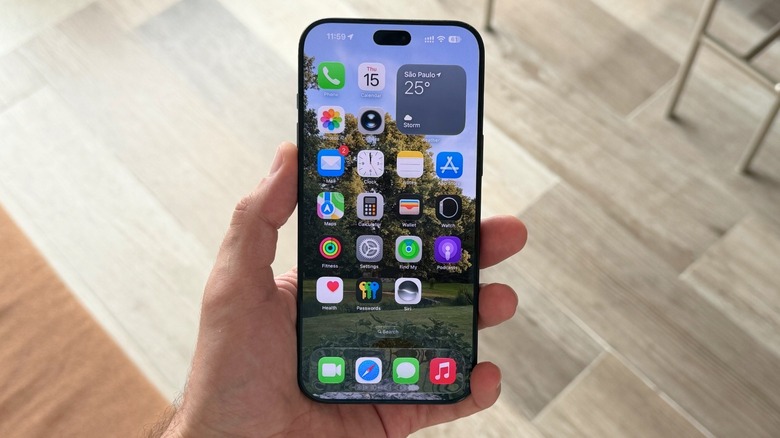
If you upgrade to a new phone every year, you'll likely see small improvements with each release. Besides a price increase, if you compare the iPhone 17 Pro to the iPhone 18 Pro, the new iPhone 18 features a better processor (and Apple got another big leap in memory bandwidth and GPU processing this year), an improved thermal management system, a longer battery life, a main camera with variable aperture, and new colors. Still, most of these features would go unnoticed for most consumers, especially when you're not comparing phones side by side.
In this case, the only way to make it more enticing is to spend much more on new technology, like the iPhone Duo. For $1,999, Apple's first foldable is a revolution for the company's customers, but not for Android users. Samsung, for example, has been selling foldables for over seven years, showing that this form factor that Apple is exploring now has already been on the market for several years — as Flip, Ultra, and passport-like shapes.
That said, if you had an iPhone 17 Pro in 2025, upgraded to an iPhone Duo in 2026, then what would be next in 2027? Probably not much. Rumors so far say Apple is planning a revamped iPhone Duo version, while the long-awaited iPhone 20 still has blurred improvements.
Innovation also comes at a cost
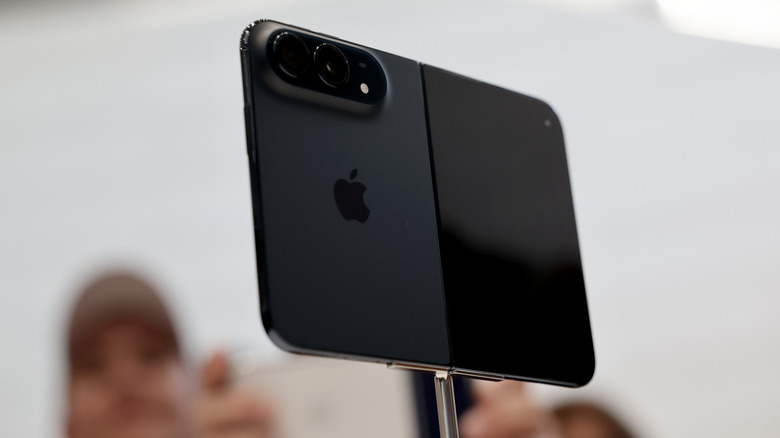
Introducing new features is expensive. The original iPhone was expensive for its time. The iPhone X, released in 2017, had a staggering $999 price point. Now, a foldable phone easily surpasses that, costing $1,999. While companies like Apple focus on leasing, aggressive trade-in offers through carriers, and contracts with third-party companies, American customers can easily upgrade to a new phone, but even the cheapest contracts can get a lot more expensive when the offering of a new phone doubles in price.
This is why customers have been holding on to their old phones. Everything is a lot more expensive, and innovation comes in steps. For example, the iPhone 14 Pro started with an all-new 48MP main Fusion Camera. Then, as Apple released the iPhone 15 Pro and iPhone 16 Pro, it upgraded the sensors of the ultra-wide and telephoto lenses to 48MP, taking three years to offer this all-new camera system. If someone who got an iPhone 14 Pro when it was released and waited three to four years to upgrade, only then would they see real-life improvements, including a new design, all cameras improved, and more.
And when outside factors interfere with innovation schedules, things get trickier. With the ongoing memory crisis, companies have been lowering the amount of RAM their products have; some get delayed — like the introduction of a 512GB M5 Ultra Mac Studio –, and others are just rumored to get worse to avoid even bigger price increases.