

4 Of The Most Unreliable EVs On The Market Right Now, According To Consumer Reports
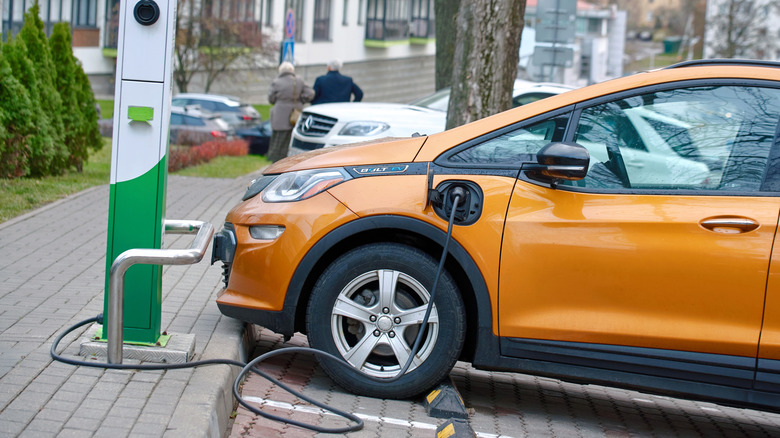
You would think that electric vehicles, or EVs, would be more reliable than gas-powered options. While it's true many electric vehicles proven to be reliable, a Consumer Reports study revealed that many of today's EVs have 79% more problems than ICE (internal combustion engine) vehicles. But the problem isn't really because they're electric, or have electric powertrains.
It has more to do with the fact that these are new designs, using new technologies and systems, and recently-introduced models tend to have more issues as manufacturers work out growing pains. Hybrid vehicles, by comparison, have 26% fewer problems than ICE vehicles, which shows that the technology can improve and become more reliable overall.
But he numbers highlight the fact that there are EVs on the market that are not as reliable as they should be. That's good to know as you begin vehicle shopping. Going by Consumer Reports' reviews and ratings it's possible to pinpoint the most unreliable EVs on the market right now. Here are the top four mentions.
Pre-2022 Chevrolet Bolt
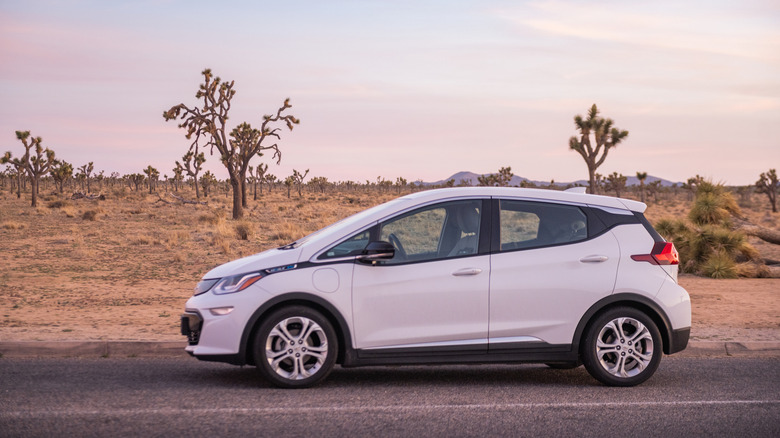
Nevermind that earlier models of the Chevrolet Bolt are subject to a major recall — the 2017 to 2022 models have a battery fire risk – there also appears to be a host of problems with the vehicle's systems. Owners have reported issues with the backup camera and technologies, keyless entry system, electrical components, and climate control. Others have noticed squeaks, rattles and leaks, particularly with the door and window seals.
While Consumer Reports ranks the Bolt relatively low, the people that have owned a Bolt long-term seem to love their vehicle. With such a disparity between what customers report and what Consumer Reports says, the Bolt is more in the "hit or miss" category than "avoid altogether," but it still ranks on this list for it's potential problems. The good news is that newer models from 2023 on seem to have ironed out most of the kinks.
2025 Ford F-150 Lightning
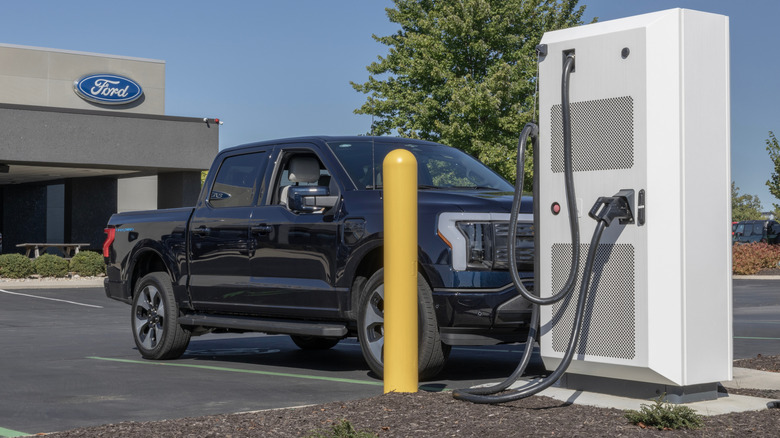
Truly electric trucks already face some steep challenges. Many truck owners aren't interested in the electric variety, especially given that they require significantly more power — electric powertrains need to be substantial to keep up with gas alternatives. So, it's probably not that much of a surprise that the 2025 Ford F-150 Lightning scored pretty low with Consumer Reports. The publication cited poor electrical problems with its EV batteries, alongside issues with charging capabilities, accessories, and in-car electronics — though some are "predicted" problems versus real-world results.
Still, many user reviews on Edmunds are positive, giving earlier year models four or five stars. But there is some talk that the electric version of the truck is not ready for primetime due to setbacks. Highway fuel economy could be better, and some have reported towing failures, a capability that's top of mind for many truck drivers. Not to mention the series regularly faces production delays, including a current delay for newer models.
2023 Toyota Prius Prime
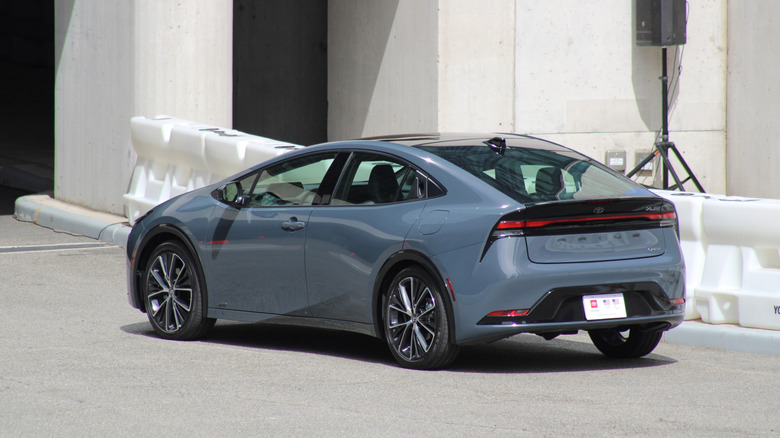
The Toyota Prius Prime is another example of a vehicle that scores low with Consumer Reports' reliability ratings, but you can find a lot of user reviews that say otherwise. The 2023 Prius Prime currently has three recalls: one on the rearview mirror, another for the maximum capacity weight value system, and finally some for the electrical components such as the door, latches or locks. In addition, users have reported problems with the infotainment system, saying the screen goes blank or works intermittently. They also cite Bluetooth and phone pairing issues, exhaust system concerns, and battery issues, including unplanned replacements.
But there are also a lot of users that report enjoying the car, mentioning how it's fun to drive and that it works well in general. What really earns the Prius its spot here is that it's a vehicle that's been on the market since the late 1990s in one form or another. The fact that there are still growing pains, regardless of changes in technology, is telling.
2024 Tesla Cybertruck
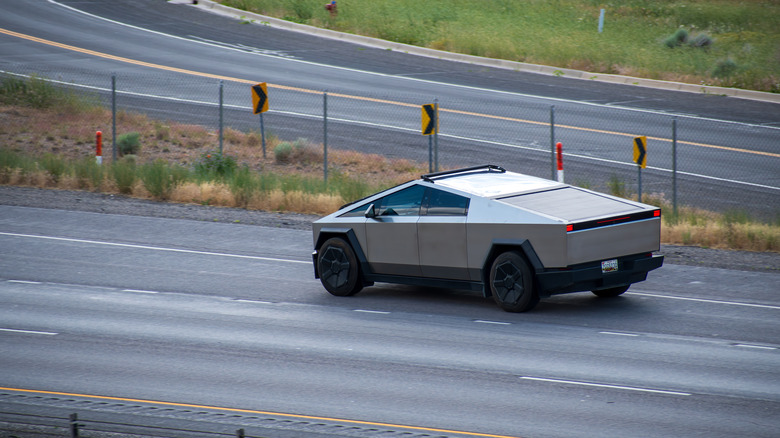
The Tesla Model X is notoriously problematic, and while the Model S has its problems, too, the Cybertruck has been plagued with issues since its launch. The 2024 model has been recalled due to a drive inverter issue, which can cause it to stop producing torque. That may result in the "loss of propulsion," which in turn increases the risk of crashes. Tesla is replacing the parts in affected vehicles for free, which is good. That said, it's probably best to avoid the vehicle, which the National Highway Traffic Safety Administration has issued recalls on for model years 2024 to 2026. There have been 10 recalls total as of this writing.
The other downside is that because it's fairly new, there isn't much user data available through Consumer Reports. Notable user reviews found online mention the model year "is just not ready," and that the price is steep for what it offers, especially compared to other EV models. Positive reviews are out there as well with some praising the pickup bed size, the tight turning radius and responsive driving, and versatility of the vehicle overall. Tesla's options aren't the only expensive EVs with problems. In fact, one of the most expensive EVs on the market reveals what's wrong with luxury EVs, overall. You're not always paying a higher premium for a high value vehicle.