

Roku Vs. Google TV - Which Is Better For You?
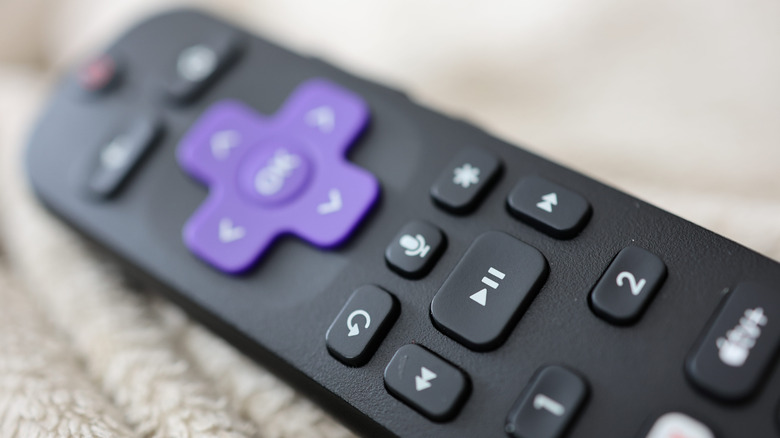
Deciding between Roku and Google TV used to be simple — you picked whichever platform felt easier to use. But, both platforms have evolved far beyond basic streaming menus, and the rivalry is only intensifying as Roku steps deeper into the hardware game with its own QLED and Mini-LED TVs. On the surface, Roku and Google TV may look similar, but the differences in layout, content discovery, and long-term usability can shape your day-to-day viewing experience in surprising ways.
Google TV has rapidly expanded across major brands like Sony, Hisense, and TCL, giving shoppers more options than ever. From its recommendation engine, Google Assistant integration, and personalized profiles, it feels increasingly like the "smartest" interface in the room. Roku, meanwhile, remains a fan favorite for its straightforward design, fast navigation, and extensive library of free, ad-supported content. Despite a few stumbles, including high-profile security incidents, Roku's simplicity and familiar interface still resonate with millions of households.
If you're weighing Roku vs. Google TV, remember that the software is only half the equation. Picture quality, panel type, brightness, and even Wi-Fi performance can dramatically influence your streaming experience, so it's worth comparing the best features of Google TV and the best Roku TVs (and Roku devices) before committing to one ecosystem.
And if neither platform feels quite right, you still have options. Amazon's Fire TV devices continue to improve, and Apple TV 4K remains the premium pick for anyone deep in Apple's ecosystem. No matter what you're looking for, understanding the strengths of each platform will help you find a setup that actually fits the way you watch.
Roku: pros and cons
Roku has always positioned itself as the streaming platform for people who just want things to work. No complicated menus, no algorithm-heavy clutter, and no learning curve. That philosophy is still one of Roku's biggest strengths. The interface is clean, fast, and predictable across every Roku device, whether you're using a Roku TV, a Roku streaming stick, or the Roku Ultra. If you're someone who prefers a straightforward grid of apps instead of constant recommendations, Roku remains one of the easiest platforms to use and live with.
Another major advantage of Roku is its massive library of free content. The Roku Channel has exploded in recent years, offering a mix of ad-supported movies, classic shows, live TV options, and exclusive Roku Originals. Pair that with the platform's wide app support and speedy performance, and you get a streaming ecosystem that feels friendly and accessible for nearly any household.
However, Roku isn't perfect. The biggest complaint is that its interface has started to feel dated compared to Google TV's richer personalization and smarter content discovery. Roku has also faced several high-profile security issues over the years, including a 2024 data breach, which raises concerns for those who value tighter privacy and account protection. And while Roku's in-house QLED and Mini-LED TV sets are promising, the hardware selection is still limited when compared to the more expansive Google TV offerings from Sony, Hisense, and TCL.
Google TV: pros and cons
Google TV has quickly become one of the most feature-rich streaming platforms, and its biggest strength is how well it connects everything you already use. Instead of relying on a simple app grid, Google TV pulls recommendations from across your subscriptions and organizes them into categories that actually feel useful, whether you're hunting for a new thriller or revisiting a favorite series. Add Google Assistant into the mix, and searching for content becomes incredibly fast, whether you're voice-searching for actors, genres, or even specific scenes.
Another selling point is Google TV's flexibility. Because Google TV appears on various smart TVs from notable and reputable brands, you get a wider range of pricing, panel types, and performance levels to choose from. If you want premium image quality, Sony's TVs tend to shine. If you're budget-conscious, Hisense and TCL offer impressive value without sacrificing the Google TV experience.
However, the platform has its own drawbacks. The recommendation engine can feel overwhelming if you prefer a cleaner, more minimal layout. Google TV also leans heavily on personalized data, so users who want a more private, offline-style platform may not love how interconnected everything is. While performance on Google TV is typically smooth, some lower-end TV models can feel sluggish compared to snappier Roku hardware.
Roku and Google TV each bring something unique to the living room. Roku shines with simplicity, speed, and an unbeatable library of free content, while Google TV excels at personalization, smart features, and hardware variety. The best choice ultimately comes down to how you like to watch: If you want something effortless and familiar, Roku is tough to beat. If you prefer a more intelligent, discovery-driven interface, Google TV is the better fit, and either one can anchor a great home theater setup.